
📍 Map of Haunted Places in Delaware
Explore all 9 haunted locations across Delaware. Click any pin to view details.
Hotel
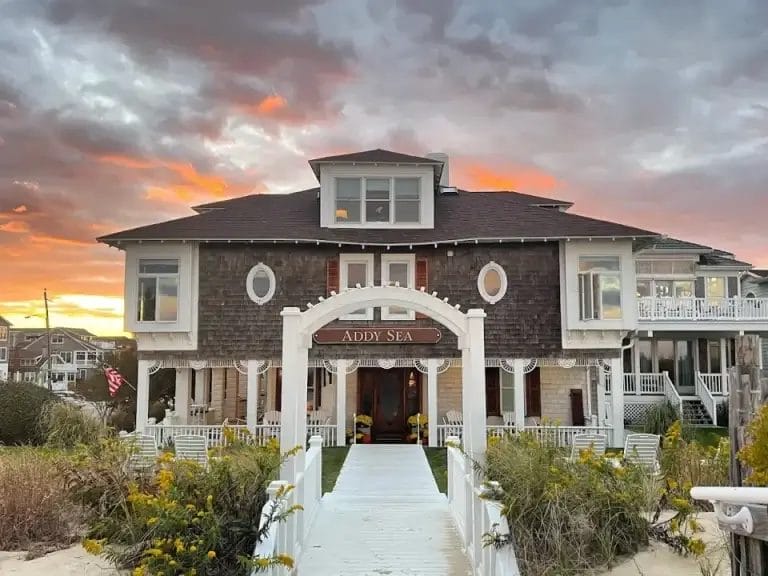
Addy Sea Bed & Breakfast – Haunted Inn in Bethany Beach, Delaware
Bethany Beach (Delaware), Delaware
The Addy Sea Bed & Breakfast stands as a Victorian jewel along Delaware’s quiet coastline....
Explore This Location →
Fort
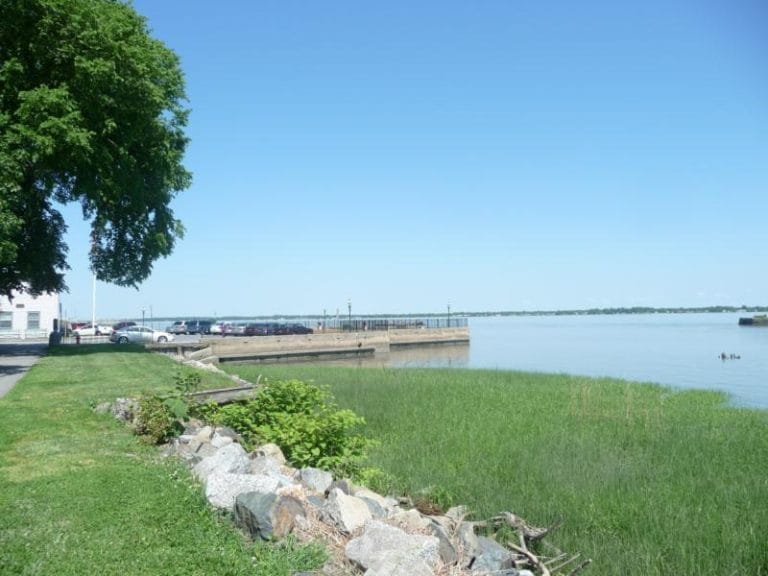
Battery Park – Haunted Fort in New Castle, Delaware
New Castle (Delaware), Delaware
Battery Park sits along the Delaware River in historic New Castle, Delaware. This waterfront location...
Explore This Location →
Mansion
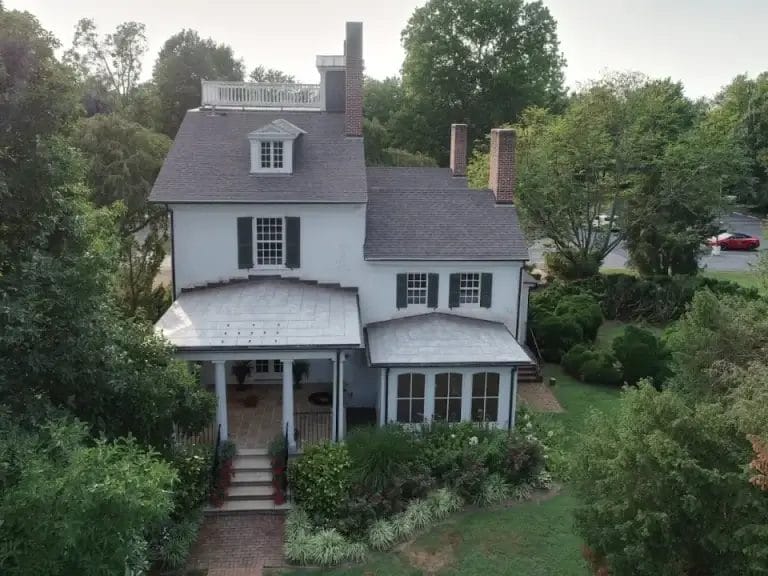
Belmont Hall – Haunted Mansion in Smyrna, Delaware
Smyrna (Delaware), Delaware
Belmont Hall stands as one of Delaware’s most enigmatic and haunted historic estates. The Georgian...
Explore This Location →
Fort
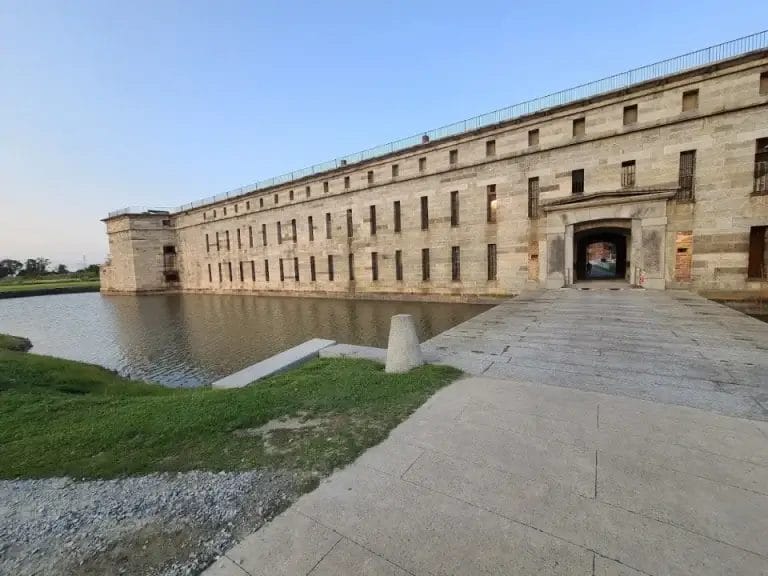
Fort Delaware – Haunted Fort in Delaware City, Delaware
Delaware City (Delaware), Delaware
Fort Delaware sits on Pea Patch Island in the Delaware River. This massive stone fortress...
Explore This Location →
Fort
Fort Miles – Haunted Military Fort in Lewes, Delaware
Lewes (Delaware), Delaware
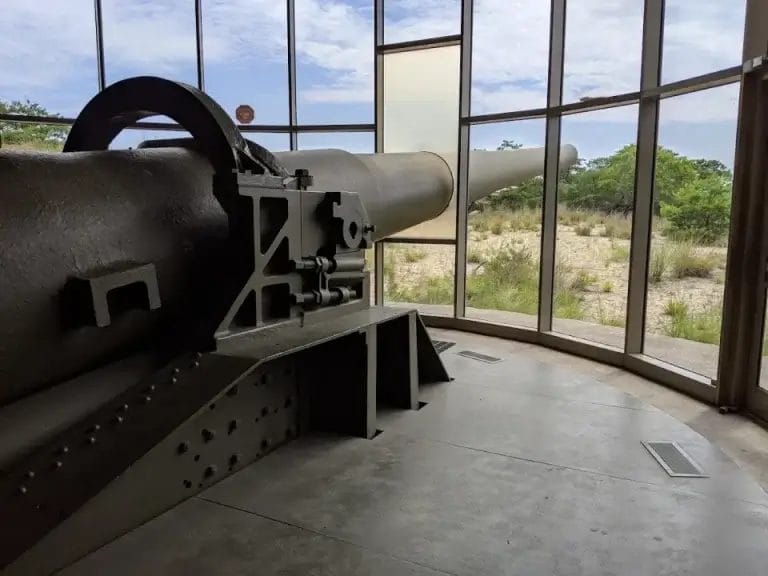
Fort Miles stands as a silent sentinel along the Delaware coast. This massive concrete fortress...
Explore This Location →
Plantation
John Dickinson Plantation – Haunted Plantation in Dover, Delaware
Dover (Delaware), Delaware
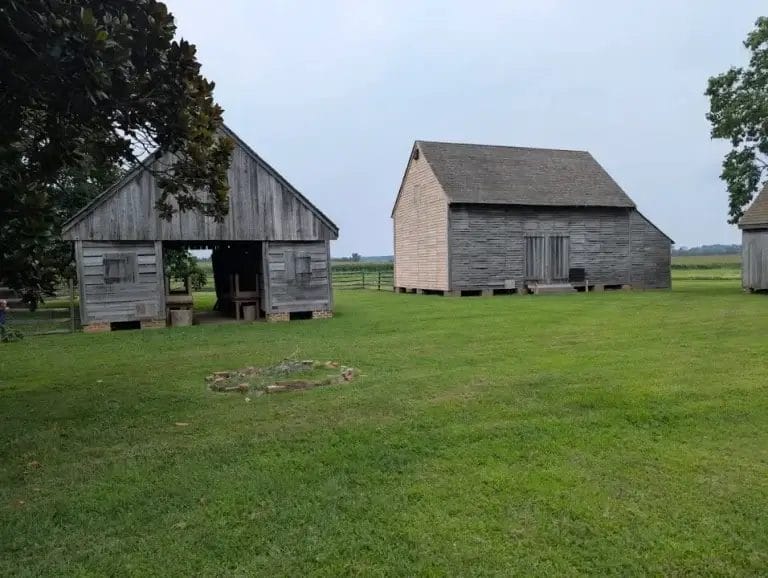
The John Dickinson Plantation sits quietly along the rural roads of Kent County, Delaware. This...
Explore This Location →

Church
Old Swedes Church – Haunted Church in Wilmington, Delaware
Wilmington (Delaware), Delaware
Nestled in the heart of Wilmington stands one of America’s oldest churches still in active...
Explore This Location →

Mansion
Rockwood Park / Mansion – Haunted Estate in Wilmington, Delaware
Wilmington (Delaware), Delaware
Nestled among 72 acres of manicured gardens and towering trees sits Rockwood Mansion, one of...
Explore This Location →
Mansion
Woodburn / Governor’s Mansion – Haunted Mansion in Dover, Delaware
Dover (Delaware), Delaware
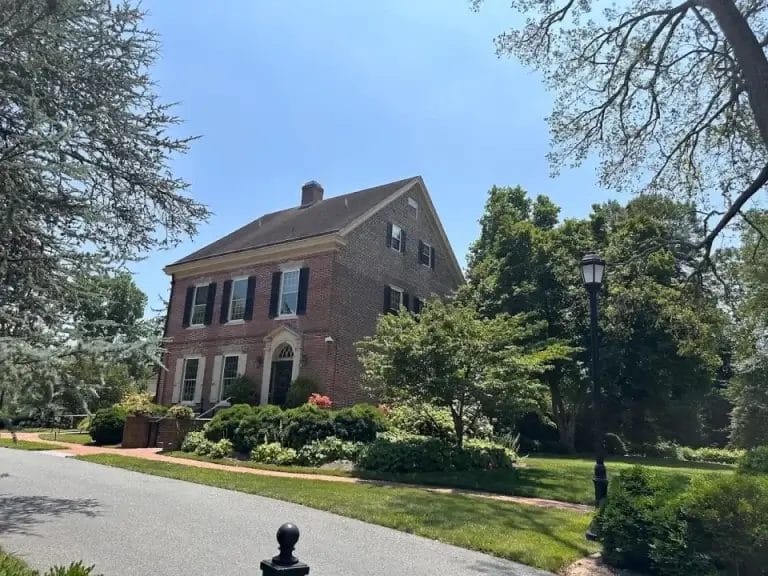
Woodburn stands as one of Delaware’s most elegant Georgian mansions and serves as the official...
Explore This Location →
Delaware may be the second smallest state in America, but its compact geography belies a remarkably dense concentration of supernatural activity. From colonial-era spirits still wandering cobblestone streets to restless souls haunting Victorian mansions, the First State has accumulated nearly four centuries of ghost stories, tragic histories, and unexplained phenomena.
This comprehensive guide explores Delaware’s most haunted locations, the histories behind the hauntings, and what paranormal investigators and curious visitors have experienced at each site.
Why Delaware Is Uniquely Haunted
Delaware’s paranormal reputation stems from its position as one of America’s original colonies. Founded by Swedish settlers in 1638 and later controlled by the Dutch and British, the state witnessed countless conflicts, epidemics, and tragedies that left spiritual imprints on the landscape. The Revolutionary War brought battles and bloodshed to Delaware soil. The state’s maritime heritage contributed shipwrecks and drownings along its coast. And like much of colonial America, disease, harsh living conditions, and early death were simply facts of life.
This layered history created what paranormal researchers call “residual hauntings”—locations where intense emotional energy from past events seems to replay like a recording—alongside “intelligent hauntings” where spirits apparently interact with the living.
Fort Delaware: The Andersonville of the North
Rising from the marshy waters of Pea Patch Island in the Delaware River, Fort Delaware stands as one of the most haunted military installations in America. The imposing granite fortress, accessible only by ferry from Delaware City, served as a Union prison during the Civil War and earned a grim reputation that rivals the infamous Andersonville.
The Dark History
Construction of the current fort began in 1848, designed to protect the ports of Wilmington and Philadelphia from naval attack. When the Civil War erupted, military planners quickly recognized another use for the isolated island fortress: housing Confederate prisoners of war.
Between 1862 and 1865, approximately 33,000 Confederate soldiers passed through Fort Delaware’s gates. At its peak capacity, the prison held over 12,500 men in conditions that can only be described as nightmarish. The island’s swampy location bred disease-carrying mosquitoes. Sanitation was virtually nonexistent. Food was scarce and often rotten. Fresh water was contaminated.
The death toll mounted with horrifying speed. Official records document approximately 2,700 deaths, though historians believe the actual number was significantly higher. Bodies were initially buried on the island itself, but as the death rate accelerated, authorities established a cemetery on the mainland at Finn’s Point, New Jersey. Mass graves swallowed the dead by the dozens.
Paranormal Activity
Today, Fort Delaware operates as a state park, offering historical tours and educational programs. But many visitors and staff members have encountered something beyond history lessons.
The most commonly reported phenomena include disembodied voices speaking in Southern accents, the sound of chains dragging across stone floors, and sudden drops in temperature that defy the humid Delaware summers. Visitors have photographed unexplained mists and orbs throughout the fort’s interior, particularly in the casemates where prisoners were held.
One specific spirit has become legendary among paranormal investigators. Witnesses describe a Confederate soldier who appears on the ramparts at dusk, gazing across the river toward the mainland he never reached in life. He reportedly vanishes when approached or addressed.
The kitchen area produces frequent reports of phantom cooking smells—bacon frying, coffee brewing—when the facilities stand empty. Some investigators theorize this represents residual energy from the countless meals prepared for prisoners and guards alike.
Perhaps most disturbing are the sounds that emanate from the underground dungeon cells. Visitors have reported hearing moaning, weeping, and what sounds like men praying in unison. These cells housed prisoners being punished for escape attempts or other infractions, and conditions there were exponentially worse than in the general population areas.
Investigating Fort Delaware
The state park hosts regular ghost tours during Halloween season, but serious paranormal investigators can arrange private access through the park office. The best evidence tends to come from the prisoner barracks, hospital ward, and underground punishment cells.
The Addy Sea Bed and Breakfast: Bethany Beach’s Spirited Inn
Perched along the oceanfront in Bethany Beach, the Addy Sea Bed and Breakfast has welcomed guests since 1902. Some of those guests, it seems, never checked out.
History of the Property
John M. Addy built this oceanfront Victorian as a summer residence, and it later converted to an inn during the early twentieth century. The building has survived numerous nor’easters, hurricanes, and the general wear of more than a century of coastal living. Various owners have renovated and restored the property, but certain… residents… apparently predated current management.
The Hauntings
Room 11, located on the third floor, generates the most paranormal reports. Guests have awakened to find a spectral figure standing at the foot of their bed—a man in period clothing who simply watches before fading away. Others report their belongings being moved during the night, doors opening and closing on their own, and the distinct sensation of being touched by invisible hands.
The identity of this spirit remains debated. Some believe he was a former owner who loved the property so much he refused to leave it in death. Others suggest he might have been a guest who died in the room during one of the building’s early years as an inn.
But Room 11 isn’t the only active location. Staff members have reported seeing a woman in Victorian dress walking the hallways, particularly on the second floor. She appears most often in the early morning hours, disappearing around corners or through closed doors. Her identity is even more mysterious than the male spirit, though some speculate she might have been a servant or early guest.
The inn’s current owners embrace rather than hide their supernatural reputation. They’ve welcomed paranormal investigation teams and share guest experiences openly. Many visitors specifically request Room 11, hoping for their own encounter with the resident spirit.
Woodburn: The Governor’s Haunted Mansion
Few American political residences can claim the paranormal pedigree of Woodburn, Delaware’s official governor’s mansion since 1965. This stately Georgian home in Dover has accumulated ghost stories spanning two centuries.
The Property’s Origins
Charles Hillyard III built Woodburn around 1790, and the home changed hands numerous times before the state purchased it. Various prominent Delaware families called it home, each adding their own chapter to the building’s rich history—and, possibly, their own spirits to its supernatural population.
The Spirits of Woodburn
The most famous ghost associated with Woodburn is a young girl who supposedly drowned in the garden pool. Witnesses have seen her playing near the water’s edge, dressed in nineteenth-century clothing, laughing and seemingly unaware of observers. When approached, she vanishes. The sound of a child’s laughter has also been reported emanating from empty rooms, particularly during evening hours.
An elderly gentleman in Colonial-era clothing has appeared multiple times in the home’s formal dining room. He sits at the table, apparently enjoying a spectral glass of wine, before fading from view. Some researchers believe this might be one of the home’s original owners, still presiding over dinner parties that ended centuries ago.
But Woodburn’s most politically significant haunting involves a Revolutionary War soldier. During the period when Woodburn allegedly served as a stop on the Underground Railroad, legends claim that a Tory sympathizer was chained in the basement during the Revolutionary War and died there. His apparition has been seen throughout the home, though he appears most frequently near the basement entrance.
Several Delaware governors have publicly acknowledged the home’s haunted reputation. Some have reported their own experiences, while others diplomatically note that they’ve “heard the stories” without confirming personal encounters.
Bellevue Hall: The DuPont Family’s Ghostly Estate
The DuPont family shaped Delaware’s history like few others, building an industrial empire and a network of grand estates throughout New Castle County. Bellevue Hall, part of the Bellevue State Park, carries not only DuPont legacy but also reports of paranormal activity.
Estate History
William H. du Pont Jr. purchased the property in 1928 and transformed it into a world-class equestrian facility. The main mansion, with its distinctive architecture and sweeping grounds, hosted countless social events during the DuPont era. The property later became a state park, opening the grounds and some facilities to public use.
Reported Phenomena
Staff members and visitors have reported hearing horse hooves on paths where no horses are present. The sounds are often accompanied by the jingle of harness bells—sounds appropriate to the estate’s equestrian heyday but unexplainable given current conditions.
Inside the mansion, doors have been observed opening and closing without human intervention. Lights turn on and off in unoccupied rooms. The distinct smell of pipe tobacco has been detected in areas where smoking has been prohibited for decades.
Some witnesses have reported seeing a well-dressed man walking the grounds at twilight, inspecting the property as if he still owned it. He never responds to greetings and disappears when observers look away momentarily. Given the estate’s history, many assume this is William du Pont himself, eternally overseeing his beloved property.
The Deer Park Tavern: Newark’s Historic Haunt
College towns often have legendary bars, but Newark’s Deer Park Tavern offers something beyond cheap drinks and live music—a ghost with presidential connections.
Historical Background
A tavern has operated at this location since 1851, making it one of Delaware’s oldest continuously operating drinking establishments. The current building dates to the late nineteenth century after fire destroyed the original structure. Over the decades, the Deer Park has served farmers, factory workers, university students, and according to legend, even Edgar Allan Poe during his travels through the region.
The Hauntings
Staff members report consistent paranormal activity, particularly in the basement and upper floors. Glasses have been seen sliding across the bar without explanation. The jukebox occasionally plays songs that weren’t selected. Footsteps echo from the upper floors when the building is otherwise empty.
The most commonly sighted apparition is a woman in nineteenth-century clothing who appears in the upstairs windows. She’s been photographed multiple times by people outside the building, standing at windows that face the street. When staff investigate, the rooms are empty.
Some patrons have reported feeling suddenly cold at certain spots in the bar, even during summer. Others describe the sensation of being watched by unseen eyes, particularly in the booths along the back wall.
The Deer Park’s management takes a somewhat tongue-in-cheek approach to their haunted reputation, neither confirming nor denying the supernatural reports while acknowledging they make good stories for tourists and students alike.
Rockwood Mansion: Victorian Splendor and Spectral Residents
Located in Wilmington, Rockwood Mansion represents one of Delaware’s finest examples of Rural Gothic architecture. Built between 1851 and 1857 for merchant Joseph Shipley, the estate now operates as a museum—and apparently houses several spirits who never quite left.
The Shipley Legacy
Joseph Shipley made his fortune in the Liverpool trade and retired to Delaware, building Rockwood as his country retreat. The mansion showcased the latest Victorian design trends and filled with decorative arts collected during Shipley’s travels. After his death, the property passed through various hands before becoming a public museum.
Paranormal Reports
Docents and visitors have reported numerous unexplained experiences throughout the mansion. The most common involve a woman in Victorian mourning dress—complete with black veil—who appears in the formal parlor. She’s been seen seated on the furniture, standing at windows, and occasionally walking through walls into rooms that were modified after the home’s original construction.
Children’s voices have been heard echoing through the hallways, though the mansion hosts no youth programs in the evening hours when these sounds typically occur. Some witnesses describe the sounds of a tea party—clinking china, polite conversation, children’s laughter—emanating from empty rooms.
The basement and service areas produce their own brand of paranormal activity. Former servants apparently continue their duties in death, with witnesses reporting phantom footsteps, the sound of cleaning, and even the smell of cooking from the old kitchen areas.
One particularly active spirit seems focused on the museum’s collection. Staff members have arrived in the morning to find objects moved from their display positions—not knocked over as if by vibration or animals, but deliberately repositioned as if someone had been examining them overnight.
Cape Henlopen State Park: Maritime Mysteries
Delaware’s coastline has witnessed centuries of maritime activity, and Cape Henlopen’s strategic position at the mouth of Delaware Bay made it particularly significant—and particularly haunted.
Coastal History
Cape Henlopen has served as a landmark for sailors since European colonization began. Lighthouses guided ships past dangerous shoals. Military installations defended the bay during multiple conflicts. And the waters offshore claimed countless vessels and lives over the centuries.
The Spirits of the Shore
The most famous ghost of Cape Henlopen is the spectral lighthouse keeper who appears near the site where the original lighthouse once stood. The old lighthouse collapsed into the sea in 1926, undermined by erosion, but its keeper apparently didn’t get the message. Witnesses report seeing a figure in period clothing walking the dunes near the original lighthouse location, often carrying a lantern.
The park’s military history contributes additional paranormal reports. World War II-era bunkers dot the landscape, built to defend against potential German attack. Some visitors have reported hearing voices speaking German from inside these structures, though investigation reveals them empty. Others describe seeing soldiers in period uniforms patrolling areas where troops once trained.
The beach itself produces occasional sightings of figures walking at the waterline who vanish when observers approach. Given the hundreds of shipwrecks in Delaware Bay, some researchers speculate these might be spirits of drowned sailors still trying to reach shore.
The New Castle Court House: Colonial Justice From Beyond
New Castle served as Delaware’s colonial capital, and its historic courthouse—one of the oldest in continuous use in America—has witnessed centuries of legal proceedings, some of which apparently continue after death.
Historical Significance
The New Castle Court House dates to 1732 and served as Delaware’s colonial capitol until 1777. Within its walls, colonists debated revolution, conducted trials, and made decisions that shaped the state’s future. The building also served as the state’s court until 1881, meaning generations of defendants, victims, lawyers, and judges passed through its doors.
Unexplained Phenomena
Staff members and visitors report feeling watched throughout the building, particularly in the courtroom itself. Some describe the sensation of being judged—appropriate given the building’s history but disconcerting when standing in what should be an empty room.
Apparitions in colonial-era clothing have been seen seated in the gallery seating, as if watching a trial that ended centuries ago. They typically vanish when observers look directly at them, though some witnesses report they seemed aware of being watched before disappearing.
The jail cells in the basement produce even more disturbing reports. Visitors describe hearing chains rattling, moaning, and the sound of someone calling for help. Cold spots are common, and several paranormal investigation teams have recorded unexplained voices during EVP sessions.
Investigating Delaware’s Haunted Locations
For those interested in experiencing Delaware’s supernatural side firsthand, several approaches exist depending on your level of commitment and tolerance for the unexplained.
Guided Ghost Tours
Several Delaware communities offer organized ghost tours, particularly during autumn months. New Castle, Dover, and Wilmington all host walking tours that visit multiple haunted locations while sharing historical context. These tours provide excellent introductions to local hauntings without requiring extensive planning.
Self-Guided Visits
Many haunted locations in Delaware are publicly accessible during normal operating hours. Fort Delaware, Rockwood Mansion, and various historic sites welcome visitors year-round, though some have seasonal schedules. Simply visiting these locations—without any paranormal equipment or investigation—sometimes produces unexpected experiences.
Formal Paranormal Investigation
Serious investigators can often arrange private access to haunted locations by contacting management directly. Many historic sites welcome paranormal teams, particularly if investigators are willing to share their findings. Always obtain proper permission before conducting any investigation, and respect the historical and spiritual significance of each location.
Conclusion
Delaware’s compact geography concentrates four centuries of history—and hauntings—into an area easily explored in a few days. From the tragic prisoners of Fort Delaware to the colonial spirits of New Castle, from oceanfront Victorian ghosts to the DuPont family’s eternal equestrians, the First State offers paranormal experiences to match any interest.
Whether you’re a committed ghost hunter, a history enthusiast curious about the supernatural, or simply someone who enjoys a good scare, Delaware’s haunted locations provide opportunities for exploration, investigation, and perhaps… encounter.
Explore America’s Most Haunted Places by State
Discover spine-chilling locations, paranormal hotspots, and supernatural encounters across all 50 states. Click any state to begin your journey into the unknown.