
📍 Map of Haunted Places in South Dakota
Explore all 10 haunted locations across South Dakota. Click any pin to view details.
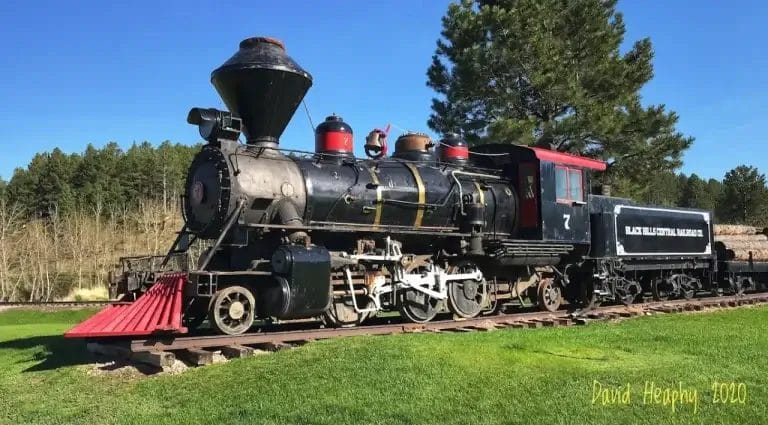
Train Station
1880 Train / Hill City – Haunted Train in Hill City, South Dakota
Hill City (South Dakota), South Dakota
The Black Hills of South Dakota hold secrets that whisper through pine forests and echo...
Explore This Location →
Mansion
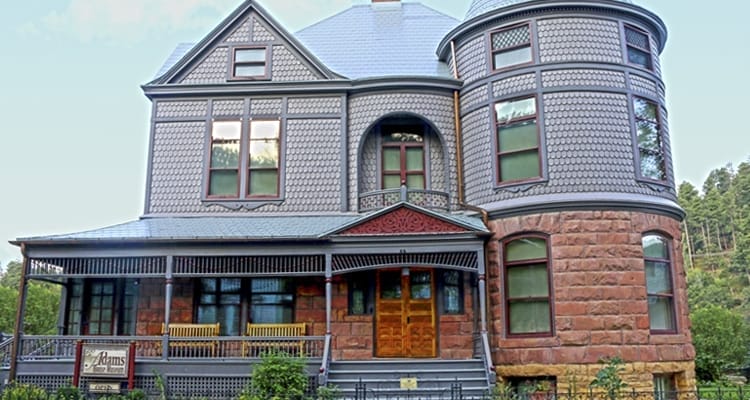
Adams House Museum – Haunted Victorian Mansion in Deadwood, South Dakota
Deadwood (South Dakota), South Dakota
The Adams House Museum stands as one of Deadwood’s most elegant Victorian homes. This pristine...
Explore This Location →
Hotel
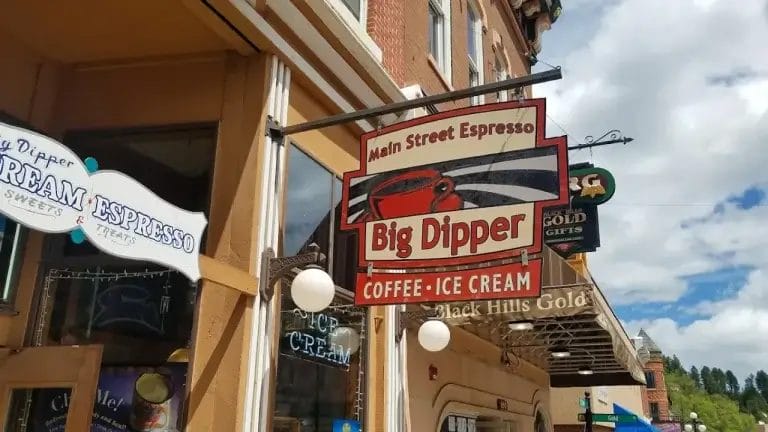
Buffalo Bodega Gaming Complex – Haunted Casino in Deadwood, South Dakota
Deadwood (South Dakota), South Dakota
The Buffalo Bodega Gaming Complex stands as one of Deadwood’s most intriguing paranormal hotspots. This...
Explore This Location →
Hotel
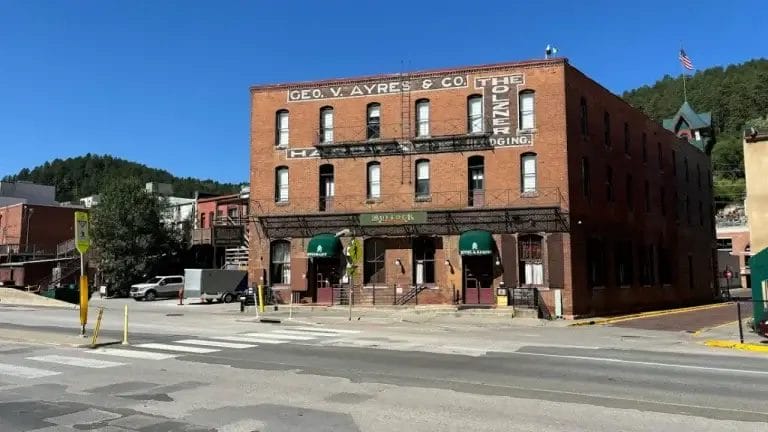
Bullock Hotel – Haunted Hotel in Deadwood, South Dakota
Deadwood (South Dakota), South Dakota
The Bullock Hotel stands as one of Deadwood’s most elegant landmarks and most actively haunted...
Explore This Location →
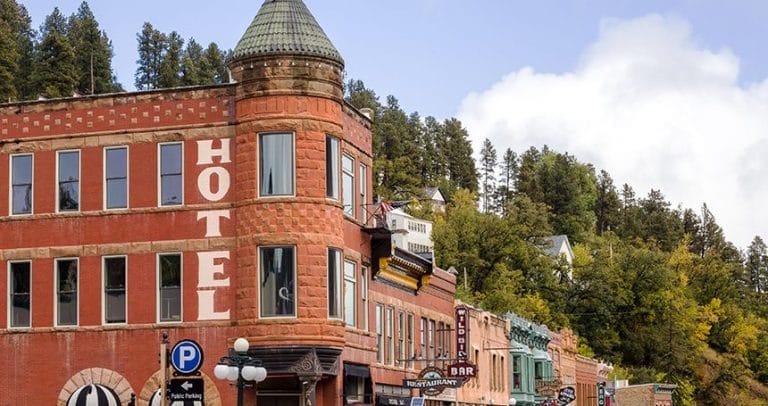
Hotel
Fairmont Hotel – Haunted Hotel in Deadwood, South Dakota
Deadwood (South Dakota), South Dakota
The Fairmont Hotel stands as one of Deadwood’s most elegant Victorian treasures. But beneath its...
Explore This Location →
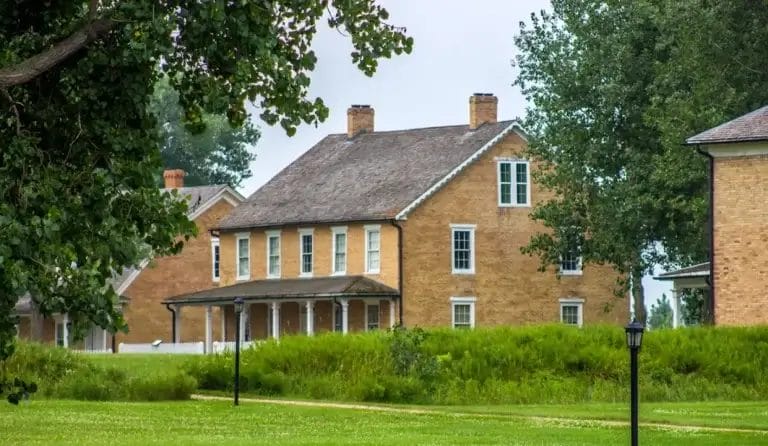
Fort
Fort Sisseton – Haunted Military Fort in Lake City, South Dakota
Lake City (South Dakota), South Dakota
Fort Sisseton stands as a haunting reminder of frontier military life in northeastern South Dakota....
Explore This Location →
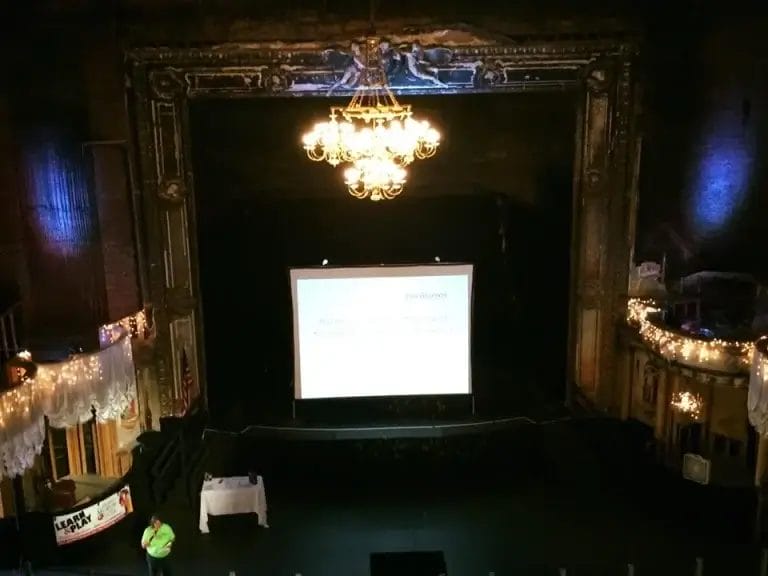
Theater
Homestake Opera House – Haunted Theater in Lead, South Dakota
Lead (South Dakota), South Dakota
The Homestake Opera House stands as a testament to Lead’s glittering past in the Black...
Explore This Location →
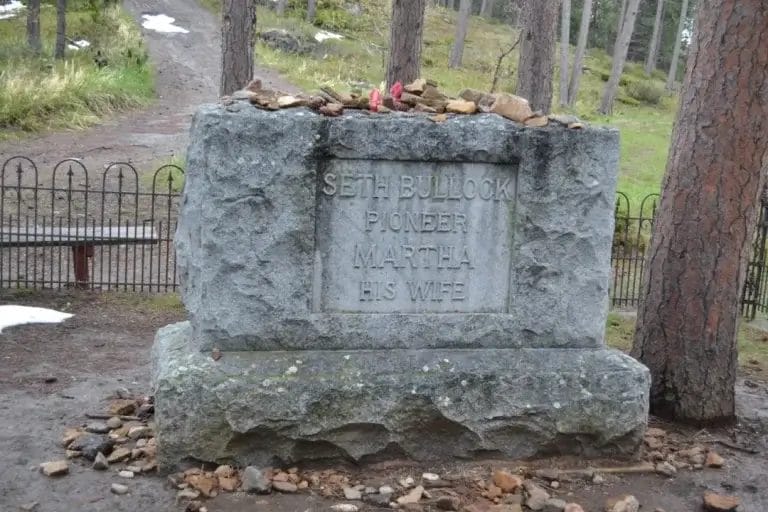
Cemetery
Mount Moriah Cemetery – Haunted Cemetery in Deadwood, South Dakota
Deadwood (South Dakota), South Dakota
Perched high on a windswept hill overlooking Deadwood stands Mount Moriah Cemetery. This sprawling burial...
Explore This Location →
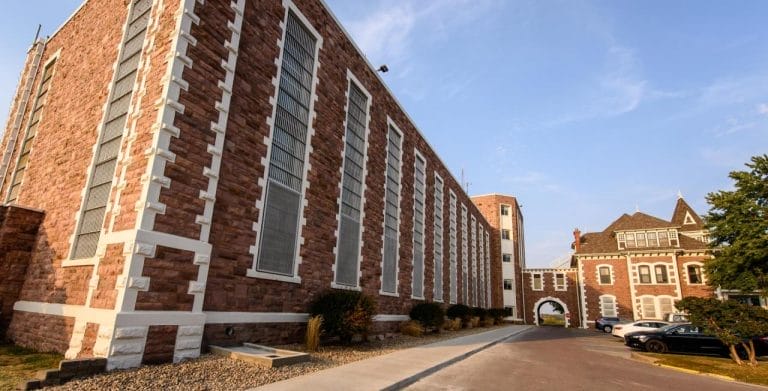
Prison
Sioux Falls State Penitentiary – Haunted Prison in Sioux Falls, South Dakota
Sioux Falls (South Dakota), South Dakota
The Sioux Falls State Penitentiary stands as a chilling monument to South Dakota’s darker history....
Explore This Location →
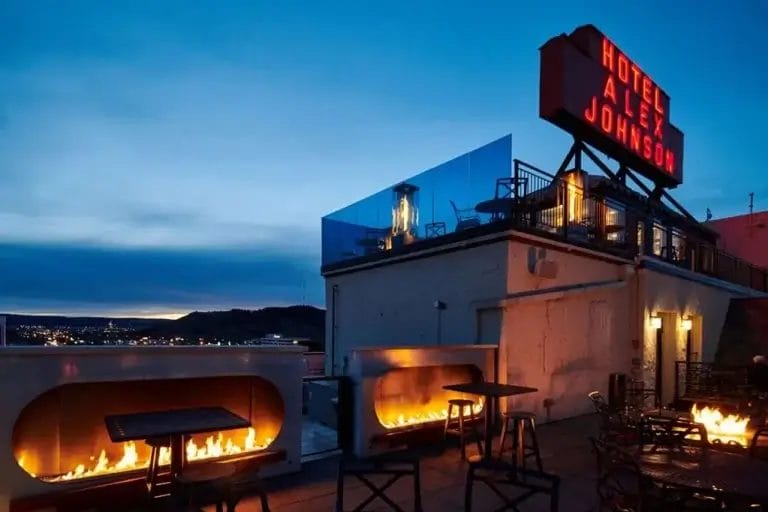
Hotel
The Alex Johnson Hotel – Haunted Hotel in Rapid City, South Dakota
Rapid City (South Dakota), South Dakota
The Alex Johnson Hotel stands as a majestic beacon in downtown Rapid City, South Dakota....
Explore This Location →
South Dakota’s vast prairies, rugged badlands, and Black Hills conceal a supernatural heritage as dramatic as its landscape. This is land where Native American traditions stretching back millennia intersect with violent frontier history, where gold rush boomtowns rose and fell in single generations, and where the isolation of the northern plains bred tragedies that left permanent spiritual scars.
From the gambling halls of Deadwood where Wild West legends met violent ends to the windswept massacre site at Wounded Knee, South Dakota’s haunted locations reflect the collision of cultures, the brutality of westward expansion, and the harsh realities of life on America’s last frontier.
This comprehensive guide explores the Mount Rushmore State’s most haunted locations, the histories that created them, and the paranormal phenomena that continue to unsettle visitors, residents, and investigators who venture into South Dakota’s supernatural territory.
The Character of South Dakota’s Hauntings
South Dakota’s paranormal landscape differs fundamentally from the colonial ghost stories of New England or the plantation hauntings of the Deep South. Here, the supernatural reflects the specific traumas of the American West: the displacement and massacre of Native peoples, the lawless violence of mining camps, the desperation of homesteaders struggling against an unforgiving environment, and the institutional horrors of frontier-era hospitals and asylums.
The state’s Native American heritage adds spiritual dimensions absent from most American haunted locations. The Lakota, Dakota, and Nakota peoples understood the Black Hills as sacred space—Paha Sapa, the heart of everything that is. When gold was discovered and treaties were broken, the resulting conflicts created wounds that many believe have never healed, spiritually or otherwise.
The isolation that still characterizes much of South Dakota amplified historical tragedies. Help was far away. Justice was administered locally, often through vigilante action. The dead were buried where they fell, sometimes in unmarked graves that subsequent generations forgot. These conditions created what paranormal researchers call “trapped” spirits—souls unable to move on because their deaths were violent, unjust, or simply unwitnessed.
Deadwood: The Wildest Ghost Town in the West
No South Dakota haunted location commands attention like Deadwood, the infamous gold rush town where Wild Bill Hickok was murdered, Calamity Jane lived and died, and fortunes were won and lost in establishments that still operate today. The entire town functions as a paranormal preserve, with active hauntings reported in hotels, saloons, cemeteries, and even on the streets themselves.
Historical Foundation
Deadwood exploded into existence in 1876 after gold was discovered in the Black Hills—land guaranteed to the Lakota by treaty. Within months, thousands of prospectors, merchants, prostitutes, gamblers, and outlaws flooded into Deadwood Gulch, creating a town with no law, no sanitation, and no restraint.
Violence was constant. Men were killed over card games, mining claims, women, and perceived insults. Disease swept through the overcrowded gulch repeatedly. Fires destroyed entire blocks. The cemetery filled faster than the mines produced gold.
The famous names associated with Deadwood—Wild Bill Hickok, Calamity Jane, Seth Bullock, Al Swearengen—represent only the most documented residents. Thousands of others lived, worked, and died in the gulch, their stories lost to history but their spirits, according to countless witnesses, still present.
The Bullock Hotel
Seth Bullock arrived in Deadwood in 1876 and quickly established himself as the town’s first sheriff—a position that required equal parts diplomacy and gunfighting skill. Bullock brought order to Deadwood through sheer force of personality, his piercing stare reportedly capable of stopping fights without a word being spoken.
Bullock built his hotel in 1895, a three-story structure that represented Deadwood’s transition from lawless camp to respectable town. He operated the establishment until his death in 1919, and by all accounts, he never left.
The Bullock Hotel generates more paranormal reports than perhaps any other building in South Dakota. Staff members have encountered Bullock himself, still walking the halls in his characteristic black hat and stern expression. He appears most often in the basement and on the upper floors, apparently conducting eternal inspections of his property.
Guests report items being moved in their rooms, lights turning on and off without explanation, and the sensation of being watched—particularly when misbehaving or being too loud. Bullock, it seems, continues enforcing standards of decorum more than a century after his death.
The hotel’s restaurant produces reports of a different spirit: a young girl who appears near the back stairs, laughing and playing before vanishing. Her identity remains unknown, though some researchers speculate she might have been connected to the brothel that operated nearby during Deadwood’s early years.
Paranormal investigation teams have recorded extensive EVP evidence at the Bullock Hotel, including what appears to be Bullock’s voice responding to questions about his property and his town. Temperature anomalies, electromagnetic fluctuations, and unexplained photographic evidence have been documented throughout the building.
Saloon No. 10
On August 2, 1876, Wild Bill Hickok sat down for a poker game in Nuttal & Mann’s Saloon No. 10. The legendary gunfighter and lawman, famous for his quick draw and deadly accuracy, made an uncharacteristic mistake: he sat with his back to the door.
Jack McCall approached from behind and shot Hickok through the head. Wild Bill died holding what became known as the “dead man’s hand”—aces and eights, black cards, a combination poker players still consider unlucky.
The current Saloon No. 10 operates at a different location than the original, but the building claims to have relocated Hickok’s ghost along with various artifacts. Whether through physical relocation or spiritual attraction, the saloon reports extensive paranormal activity.
Visitors describe seeing a figure matching Hickok’s description sitting at various tables, sometimes holding cards, sometimes simply watching the room. He vanishes when approached directly but has been photographed numerous times—or at least, unexplained figures in period clothing appear in photographs taken inside the saloon.
The basement of Saloon No. 10 produces even more intense phenomena. Staff members refuse to enter alone after experiencing disembodied voices, objects moving on their own, and the overwhelming sensation of hostile presences. Some researchers believe the basement’s activity relates not to Hickok but to other violent events that occurred on the property during Deadwood’s lawless years.
Mount Moriah Cemetery
Above Deadwood, Mount Moriah Cemetery contains the remains of the town’s most famous residents—including Wild Bill Hickok and Calamity Jane, buried side by side per Calamity Jane’s dying request. The cemetery also holds thousands of less famous dead, many of them victims of violence, disease, or accident during Deadwood’s turbulent early decades.
The cemetery’s most commonly reported ghost is, predictably, Wild Bill himself. Visitors describe seeing a tall figure in frontier clothing standing near his grave, gazing down at the town that witnessed his murder. He appears most often at dusk and dawn, transitional times that paranormal researchers associate with increased spiritual activity.
Calamity Jane reportedly appears as well, usually near her own grave but sometimes wandering through the cemetery’s older sections. Witnesses describe her as appearing agitated, as if searching for something or someone she cannot find.
Children’s spirits seem particularly active at Mount Moriah. The cemetery contains a significant section dedicated to young victims of the epidemics that swept through Deadwood, and visitors report hearing childish laughter, crying, and playing from areas where no living children are present. Some have seen small figures running between headstones before vanishing.
Orbs, mists, and unexplained lights are routinely photographed throughout Mount Moriah. Some researchers believe the concentration of violent and tragic deaths in a relatively small area created a spiritual environment of unusual intensity.
The Adams House: Victorian Elegance and Eternal Residents
Deadwood’s Adams House represents the town’s transition from mining camp to established community. Built in 1892 and purchased by pioneer businessman W.E. Adams in 1920, the Queen Anne Victorian home showcases the wealth extracted from Black Hills gold. It also showcases, according to numerous witnesses, spirits who have not accepted that their time in the house has ended.
The Adams Family Legacy
W.E. Adams arrived in Deadwood in 1877 and built a commercial empire that included mining, banking, and retail operations. He purchased the house after the death of its original owners and filled it with furnishings, art, and artifacts that remain in place today.
Adams and his wife lived in the house until their deaths in 1934 and 1936 respectively. The home then sat virtually untouched for decades, its contents preserved as a time capsule of early twentieth-century affluent life. When the house opened as a museum, staff quickly discovered they were not alone.
Documented Hauntings
The second floor produces the most consistent paranormal reports. Staff members have seen a woman in Victorian dress walking the upstairs hallway, entering bedrooms, and adjusting items on dressers and nightstands. She appears to be conducting household duties, unaware that she died decades ago. Most researchers believe this is Mary Adams, still maintaining the home she loved.
W.E. Adams himself reportedly appears in his study, seated at his desk or standing at the window overlooking Deadwood. He seems contemplative rather than threatening, perhaps surveying the town that made his fortune.
A more troubling presence occupies the home’s third floor. Staff and visitors report feeling unwelcome in certain rooms, as if an invisible presence resents their intrusion. Some have described being pushed or shoved while climbing the stairs. The identity of this apparently hostile spirit remains unknown, though some speculate it might predate the Adams family’s residence.
Temperature fluctuations occur throughout the house without correlation to heating or cooling systems. Visitors have photographed unexplained mists and shadows. Electronic equipment malfunctions regularly, and staff members have learned to replace batteries in all devices before conducting tours.
Wounded Knee: Sacred Ground and Spiritual Wound
The Wounded Knee Massacre of December 29, 1890, represents one of American history’s darkest chapters. On that winter morning, the U.S. 7th Cavalry opened fire on a band of Lakota men, women, and children, killing an estimated 250 to 300 people. The site, located on the Pine Ridge Reservation, carries spiritual weight that visitors describe as almost physically oppressive.
Historical Context
By 1890, the Lakota had been confined to reservations, their traditional way of life destroyed. The Ghost Dance movement offered spiritual hope—a prophecy that ancestors would return, the buffalo would reappear, and white settlers would vanish. Federal authorities, misunderstanding or willfully misrepresenting the peaceful religious movement, dispatched troops to suppress it.
Big Foot’s band was traveling to Pine Ridge when soldiers intercepted them and escorted them to Wounded Knee Creek. The following morning, soldiers began confiscating weapons. A shot was fired—by whom remains disputed—and the massacre began.
The 7th Cavalry used Hotchkiss guns to spray the encampment with explosive shells. Men, women, and children fell where they stood. Some fled onto the prairie, where cavalry pursued and killed them. Bodies were found miles from the camp, evidence that soldiers hunted survivors across the frozen landscape.
A blizzard struck after the massacre, and bodies lay exposed for three days. When burial crews finally arrived, they dug a mass grave and tumbled the frozen corpses inside. The site became hallowed ground for the Lakota, a place of mourning that continues to this day.
Paranormal Phenomena
Visitors to Wounded Knee report experiences that transcend typical haunting accounts. Many describe overwhelming grief that brings them to tears without warning. Others report hearing sounds of the massacre itself—gunfire, screaming, the thunder of Hotchkiss guns—echoing across the now-silent prairie.
Some visitors have seen figures moving across the landscape, particularly in early morning or at dusk. These figures appear to be fleeing or hiding, reenacting their final moments before death. They vanish when observers approach or when the light changes.
The mass grave site produces intense spiritual sensations. Visitors describe feeling watched by invisible presences, touched by unseen hands, and spoken to in Lakota—a language most non-Native visitors don’t understand. Some report that electronic devices refuse to function near the grave, as if the spiritual energy of the site interferes with technology.
Native American spiritual practitioners describe Wounded Knee as one of the most powerful sacred sites in North America, a place where the veil between worlds is permanently thin. They advise approaching the site with respect, prayer, and pure intentions, warning that inappropriate behavior can attract negative spiritual attention.
Visitor Considerations
Wounded Knee is located on the Pine Ridge Reservation and should be approached with appropriate cultural sensitivity. The site is sacred ground to the Lakota people, not a tourist attraction or paranormal investigation destination.
Visitors should observe posted guidelines, refrain from disturbing any objects or offerings left at the site, and conduct themselves with the reverence appropriate to a mass grave. Photography policies vary, and visitors should confirm current guidelines before taking pictures.
Paranormal investigation in the conventional sense—EVP sessions, ghost hunting equipment, late-night vigils—would be profoundly inappropriate at Wounded Knee. Those who experience supernatural phenomena at the site should understand these as encounters with genuine historical tragedy, not entertainment.
The Historic Fairmont Hotel: Hot Springs Hospitality Beyond the Grave
Hot Springs, South Dakota developed around natural thermal waters that attracted visitors seeking healing and relaxation. The Fairmont Hotel served those visitors from 1906 until its closure, and by numerous accounts, both staff and guests from its operating years remain on the premises.
The Hotel’s Heyday
Hot Springs emerged as a resort destination in the late nineteenth century, its warm mineral springs promising relief from various ailments. The Fairmont represented the town’s grandest accommodation, a sandstone structure offering luxury amenities and access to the therapeutic waters.
The hotel served guests until changing travel patterns and economic factors forced its closure. The building later served various purposes before undergoing restoration. Throughout its post-hotel incarnations, reports of supernatural activity remained consistent.
Reported Activity
The Fairmont’s most frequently sighted ghost is a woman in early twentieth-century clothing who appears in the hallways and guest rooms. She seems to be checking on rooms, as a housekeeper might, straightening items and adjusting curtains. Staff have arrived in the morning to find beds made differently than they left them—not unmade, but made with different techniques, as if someone with period-appropriate training had attended to them.
The basement produces reports of a male presence, possibly a former maintenance worker who continues his duties. Footsteps echo through the underground passages. Tools have been found moved from where workers left them. Some have heard a man’s voice humming or singing, though investigation reveals no living source.
The thermal pool areas generate their own paranormal reports. Visitors describe seeing figures moving through steam, hearing splashing when the pools are empty, and smelling bath oils and fragrances that haven’t been used in decades. Some researchers speculate that the intense emotional experiences associated with the healing springs—hope, relief, disappointment—left particularly strong spiritual impressions.
The Historic Homestake Opera House: Phantom Performances in Lead
The Homestake Mining Company built its opera house in Lead in 1914, providing cultural enrichment for workers at what was then the largest and deepest gold mine in the Western Hemisphere. Over a century later, performances apparently continue—staged by actors who never received their final curtain call.
Mining Town Culture
Lead (pronounced “Leed”) existed solely because of the Homestake Mine, which operated from 1876 to 2002. The company town provided housing, services, and entertainment for thousands of workers and their families. The opera house represented the Homestake Company’s commitment to creating a stable, cultured community rather than a transient mining camp.
The venue hosted traveling performers, local productions, movies, and community events throughout its operating life. Countless performers crossed its stage, and audiences filled its 1,000 seats for everything from Shakespearean drama to vaudeville comedy.
The Hauntings
Staff members at the restored opera house report consistent paranormal activity, particularly in the backstage areas and upper balconies. The most common experience involves hearing performance sounds when the building is empty—applause, music, actors delivering lines, audience laughter. These sounds seem to emanate from the stage and seating areas but cease when investigators enter those spaces.
Performers during modern productions have reported seeing figures in period costume watching from the wings or the balcony—figures who aren’t part of the current production and who vanish when addressed. Some describe feeling coached or directed by invisible presences, as if experienced performers were offering guidance from beyond.
The building’s upper levels produce reports of a woman in white who appears near the technical areas. Local legend connects her to a performer who died under unclear circumstances during the opera house’s early years, though documentation of this event has not been definitively located.
Temperature anomalies are common throughout the building, with cold spots appearing and disappearing without explanation. Electronic equipment behaves erratically during performances and investigations alike. Staff have accepted that the building houses permanent supernatural residents and simply work around the phenomena.
The Historic Alex Johnson Hotel: Rapid City’s Grand Dame
The Alex Johnson Hotel opened in Rapid City in 1928, becoming the premier accommodation in western South Dakota. Named for a railroad executive and designed with Native American artistic elements, the hotel has hosted presidents, celebrities, and apparently, spirits who check in but never check out.
Historical Significance
Alex C. Johnson, vice president of the Chicago and North Western Railway, envisioned a grand hotel that would attract tourists to the Black Hills region. The eleven-story Germanic Tudor structure incorporated Lakota artistic motifs, including a chandelier designed to represent a Sioux war bonnet and decorative elements throughout the public spaces.
The hotel served as Rapid City’s social center for decades, hosting balls, meetings, and distinguished visitors. Several presidents stayed at the Alex Johnson, including Calvin Coolidge, Franklin Roosevelt, and Dwight Eisenhower. The hotel also experienced tragedies—including multiple deaths by suicide—that contribute to its supernatural reputation.
Documented Phenomena
Room 812 generates the most intense paranormal reports. A young woman reportedly jumped from this eighth-floor room’s window sometime in the hotel’s early decades, and her spirit apparently never left. Guests have awakened to find a woman standing at the window, gazing outward. Others have felt someone sit on their bed, seen bathroom fixtures operate by themselves, and heard a woman crying when no one is present.
The hotel has removed Room 812 from regular inventory multiple times over the years due to guest complaints, though it currently remains available for those specifically seeking supernatural encounters.
The eighth floor generally produces more paranormal activity than other levels. Hallway cameras have captured unexplained figures and movements. Staff members report cold spots, disembodied voices, and the sensation of being followed. Some refuse to work on the eighth floor alone.
The basement and service areas host different spiritual residents. Staff describe encountering a man in work clothes who appears to be conducting maintenance tasks. He walks through walls, ignores attempts at communication, and seems unaware that decades have passed since his working days.
The hotel’s lobby chandelier—the war bonnet design—reportedly swings without any air movement to cause the motion. Some observers connect this to the building’s Native American artistic elements, suggesting spiritual energy associated with those designs.
Sica Hollow State Park: Where Evil Dwells
The Sisseton Hills of northeastern South Dakota contain Sica Hollow, a place whose very name means “evil” in the Dakota language. For centuries before European contact, Native peoples avoided this place, believing it harbored malevolent spirits. Modern visitors have found little reason to dismiss those beliefs.
Native American Warnings
The Dakota people told stories of Sica Hollow long before white settlers arrived. According to tradition, evil spirits inhabit the ravine, emerging at night to prey upon travelers. Strange lights move through the trees. Moans and screams echo from the depths. The water runs red, as if stained with blood.
Modern geology explains the red water—iron-rich springs produce the coloration—but the Dakota warnings encompassed far more than unusual water chemistry. They described an intelligent, malevolent presence that could follow victims home, cause illness, and drive people to madness.
The Hauntings
Visitors to Sica Hollow State Park report experiences consistent with the Dakota warnings. The hollow seems unnaturally dark, even during daylight hours. Sounds that should carry—voices, footsteps, wildlife—seem muffled or absorbed by the landscape. Meanwhile, other sounds emerge from nowhere: whispers, laughter, and what witnesses describe as growling or snarling from invisible sources.
The red springs attract particular attention. Some visitors describe the water as appearing not just iron-red but actively bloody, with the metallic smell of fresh blood rather than mineral deposits. Others have seen faces forming in the water’s surface, gazing up at observers before dissolving.
Night visits to Sica Hollow produce the most disturbing reports. Lights move through the hollow without any apparent source—not flashlights or vehicles, but floating illumination that bobs and weaves through the trees. Some lights appear to pursue observers, following them up the trails toward the parking area.
Those who camp in or near the hollow describe nightmares of unusual intensity, waking with scratches or bruises they cannot explain, and an overwhelming urge to leave that builds throughout the night. Some have packed up and departed in darkness rather than remaining until morning.
Native American spiritual practitioners advise against entering Sica Hollow without proper preparation and protection. They emphasize that the spirits dwelling there are not the familiar dead of other haunted locations but something older and more dangerous—entities that existed before human beings and do not wish us well.
Paranormal Investigation in South Dakota
South Dakota offers unique challenges and opportunities for paranormal researchers. The state’s combination of frontier violence, Native American spiritual heritage, and isolated locations creates investigation environments unlike those found elsewhere in America.
Cultural Sensitivity
Many of South Dakota’s most spiritually significant locations are connected to Native American history and religion. Investigators should approach these sites with appropriate cultural sensitivity, understanding that what they’re encountering may not fit Western paranormal frameworks.
Wounded Knee, Sica Hollow, and other locations with Native American connections are not appropriate for conventional ghost hunting. Investigators interested in these sites should consider reaching out to Native American spiritual practitioners and cultural authorities for guidance.
Climate Considerations
South Dakota’s climate presents practical challenges for investigation. Winters bring extreme cold, heavy snow, and reduced daylight. Summer offers more accessible conditions but also crowds at tourist destinations like Deadwood.
Spring and fall provide perhaps the best investigation windows, offering moderate temperatures and reduced visitor traffic. However, weather can change rapidly in South Dakota, and investigators should prepare for conditions ranging from heat to snow within single investigations.
Legal Access
Many of South Dakota’s haunted locations are privately owned businesses that welcome guests. Staying at the Bullock Hotel, Alex Johnson Hotel, or Historic Fairmont provides legal access for investigation while supporting preservation of these historic properties.
Public locations like Mount Moriah Cemetery and Sica Hollow State Park have posted hours and regulations that investigators should observe. After-hours access requires permission from relevant authorities.
Equipment Considerations
South Dakota’s geographic isolation means that equipment failures can be particularly problematic. Investigators should carry backup devices, extra batteries, and mechanical alternatives to electronic equipment. Cell phone coverage is limited or nonexistent in many rural areas, so communication plans should not rely on mobile networks.
The state’s environmental conditions—temperature extremes, humidity variations, altitude changes—can affect sensitive equipment. Baseline readings and control documentation become particularly important when investigating in conditions that might produce false positives.
Conclusion
South Dakota’s haunted landscape reflects the specific tragedies of America’s western frontier: the violence of gold rush boomtowns, the systematic destruction of Native American peoples and cultures, the isolation and hardship of prairie life, and the institutional cruelties of frontier-era facilities. These are not quaint colonial ghosts or romantic Victorian specters but spirits born of genuine historical trauma.
The supernatural presences reported across South Dakota seem to carry the emotional weight of their origins. The grief at Wounded Knee is not entertainment but encounter with mass murder. The spirits of Deadwood reflect lives cut short by violence in a lawless place. The entities at Sica Hollow predate human frameworks entirely, representing something that may never have been human at all.
For those who seek South Dakota’s paranormal side, the state rewards serious inquiry while demanding respect. The ghosts here are not performers. They are remnants of real people who lived, suffered, and died in circumstances often horrific. They are also, in the case of locations like Sica Hollow, something else entirely—presences that Native American traditions warned about for centuries and that modern visitors encounter at their own risk.
The Mount Rushmore State carved presidential faces into sacred mountains, transformed Native American land into tourist destinations, and built cities where mining camps once stood. But beneath the tourist infrastructure and modern development, the original spirits remain. They wait in Victorian hotels and frontier saloons, in mass graves and cursed hollows, in places where history’s weight presses down so heavily that the dead cannot rest.
They’ve been waiting since long before South Dakota existed as a political entity. They’ll be waiting long after the last tourist goes home.
Explore America’s Most Haunted Places by State
Discover spine-chilling locations, paranormal hotspots, and supernatural encounters across all 50 states. Click any state to begin your journey into the unknown.