
📍 Map of Haunted Places in Wisconsin
Explore all 10 haunted locations across Wisconsin. Click any pin to view details.
Cemetery
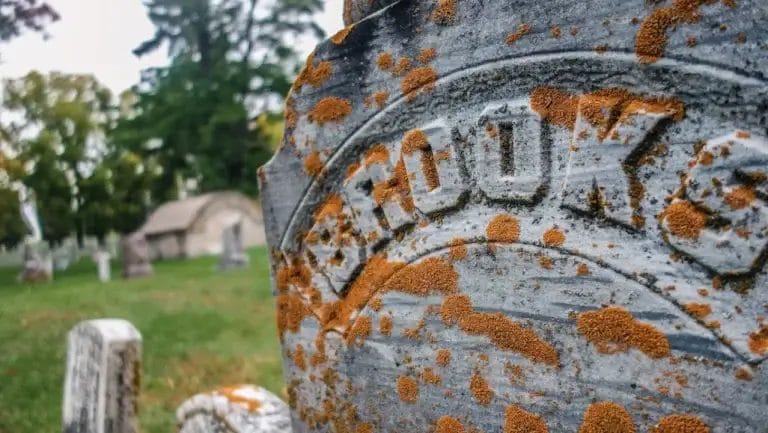
Dartford Cemetery – Haunted Cemetery in Green Lake, Wisconsin
Green Lake (Wisconsin), Wisconsin
Dartford Cemetery sits quietly along County Road K in Green Lake, Wisconsin, surrounded by dense...
Explore This Location →
Museum
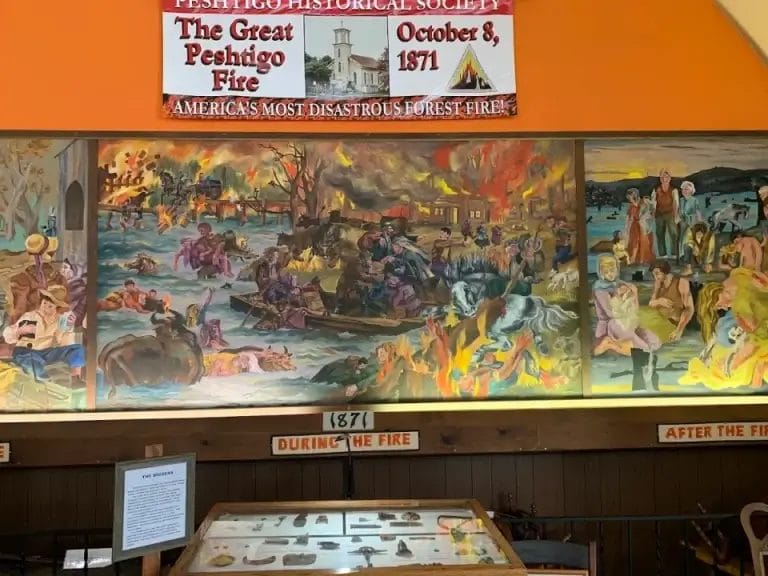
Peshtigo Fire Museum – Haunted Museum in Peshtigo, Wisconsin
Peshtigo (Wisconsin), Wisconsin
The Peshtigo Fire Museum stands as a somber memorial to America’s deadliest fire. On October...
Explore This Location →
Road
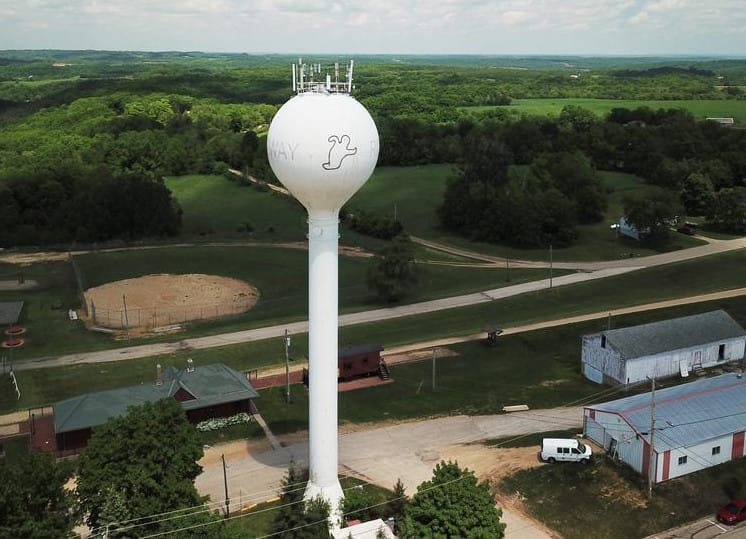
Ridgeway Ghost / Stagecoach Road – Haunted Road in Ridgeway, Wisconsin
Ridgeway (Wisconsin), Wisconsin
Stagecoach Road in Ridgeway, Wisconsin holds a dark reputation among paranormal enthusiasts and locals alike....
Explore This Location →
Asylum
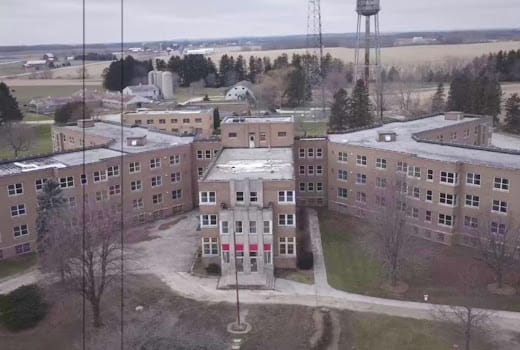
Sheboygan Asylum Ruins – Haunted Asylum in Sheboygan, Wisconsin
Sheboygan (Wisconsin), Wisconsin
The crumbling remains of Sheboygan Asylum stand as a testament to a darker era in...
Explore This Location →
College
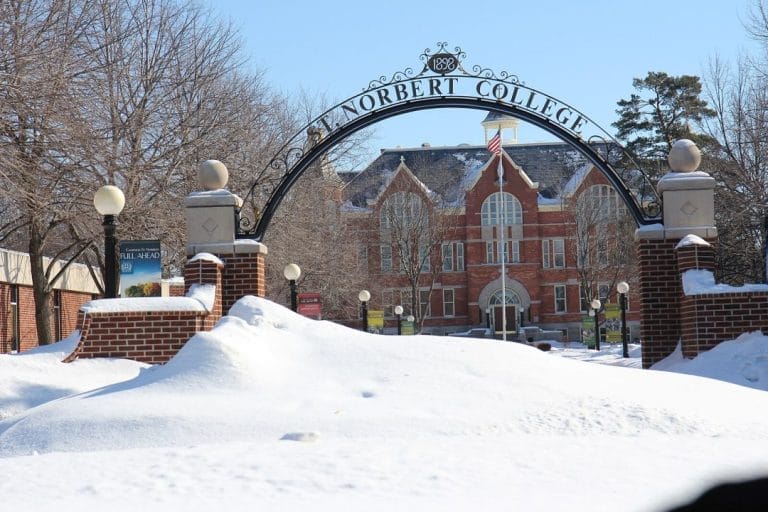
St. Norbert College Old Main Hall – Haunted College Building in De Pere, Wisconsin
De Pere (Wisconsin), Wisconsin
St. Norbert College sits quietly along the Fox River in De Pere, Wisconsin. The campus...
Explore This Location →

Mansion
Summerwind Mansion Ruins – Haunted Mansion in Land O’ Lakes, Wisconsin
Land O' Lakes (Wisconsin), Wisconsin
The remote forests of northern Wisconsin once housed one of America’s most haunted mansions. Summerwind...
Explore This Location →
Mansion
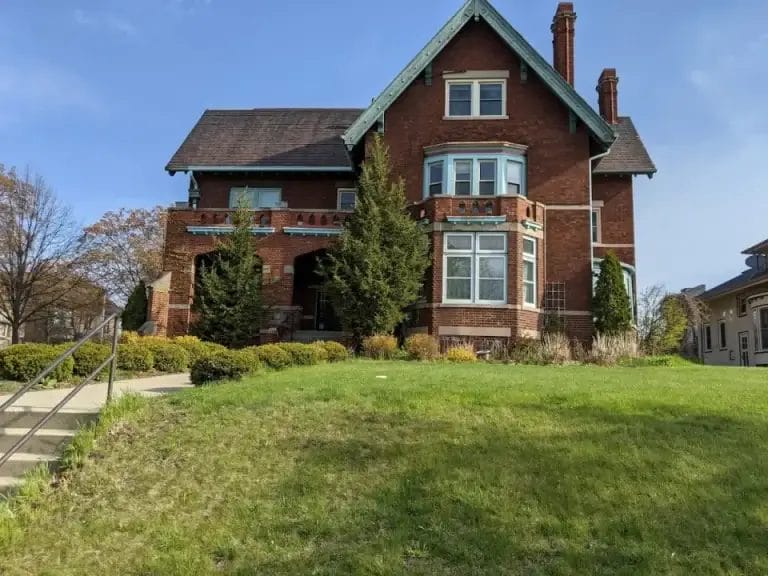
The Brumder Mansion – Haunted Mansion in Milwaukee, Wisconsin
Milwaukee (Wisconsin), Wisconsin
The Brumder Mansion stands as one of Milwaukee’s most architecturally stunning Victorian homes. This grand...
Explore This Location →
Hotel
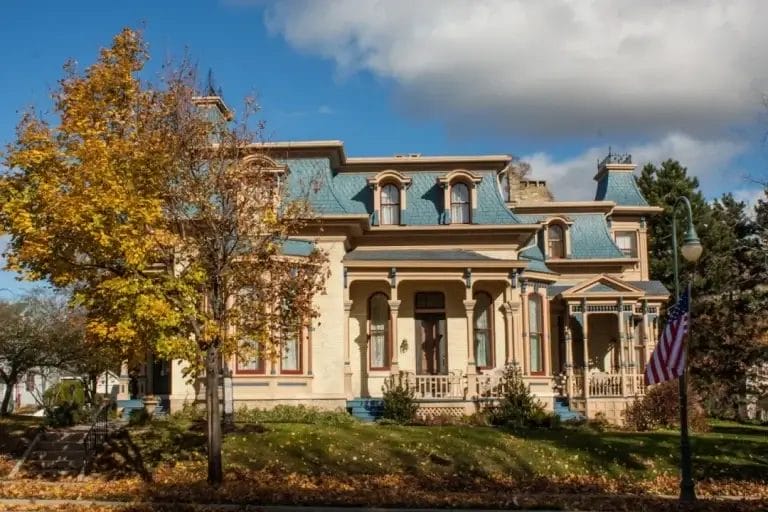
The Hamilton House Hotel – Haunted Hotel in Whitewater, Wisconsin
Whitewater (Wisconsin), Wisconsin
The Hamilton House Hotel stands as one of Wisconsin’s most persistently haunted locations. This stately...
Explore This Location →

Hotel
The Maribel Caves Hotel Ruins – Haunted Hotel in Maribel, Wisconsin
Maribel (Wisconsin), Wisconsin
Deep in the forests of northeastern Wisconsin, crumbling limestone walls mark a tragic past. The...
Explore This Location →
Hotel
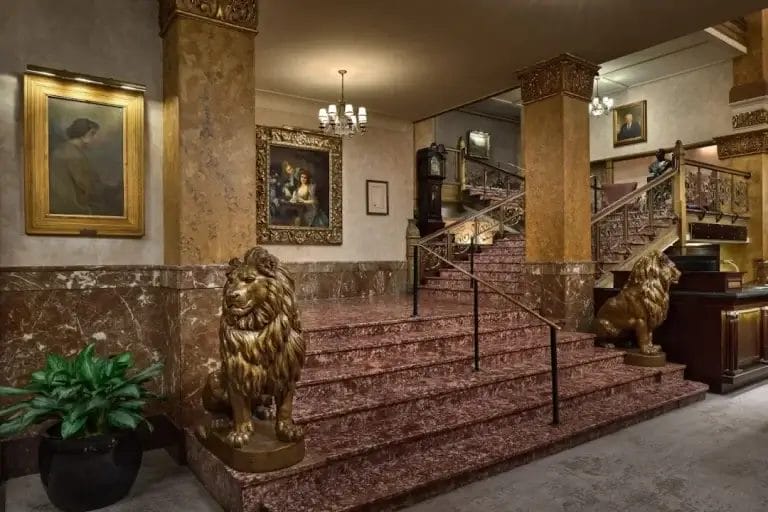
The Pfister Hotel – Haunted Hotel in Milwaukee, Wisconsin
Milwaukee (Wisconsin), Wisconsin
The Pfister Hotel stands as Milwaukee’s most elegant landmark and its most haunted address. This...
Explore This Location →
Wisconsin’s paranormal landscape is as diverse as its geography—from the fog-shrouded shores of Lake Superior to the rolling hills of the Driftless Area, the Badger State harbors countless tales of restless spirits, unexplained phenomena, and lingering echoes of tragic pasts. The state’s haunted reputation stems from its layered history: Native American sacred grounds, brutal frontier conflicts, devastating shipwrecks on the Great Lakes, tuberculosis sanatoriums, abandoned asylums, and the dark legacy of serial killer Ed Gein. Whether you’re a paranormal enthusiast or a history buff with a taste for the macabre, Wisconsin offers some of the Midwest’s most compelling haunted destinations.
Understanding Wisconsin’s Paranormal Heritage
Wisconsin’s supernatural reputation is built on several historical foundations that created conditions paranormal researchers associate with hauntings. The state’s position on the Great Lakes led to hundreds of shipwrecks, with crews and passengers lost to the frigid waters. The tuberculosis epidemic of the late 1800s and early 1900s filled sanatoriums with the dying, creating locations steeped in suffering and death. Frontier conflicts between European settlers and Native American tribes left battlefields soaked in blood. The state’s numerous mental health facilities, many now abandoned, housed thousands of patients under often deplorable conditions.
Add to this Wisconsin’s tendency to preserve rather than demolish its historic structures, and you have the perfect recipe for paranormal activity. Many of the state’s most haunted locations remain accessible to the public as museums, hotels, restaurants, and historic sites, allowing modern visitors to experience these supernatural phenomena firsthand.
Milwaukee’s Most Haunted Locations
Pfister Hotel
Standing as Milwaukee’s grand dame of hospitality since 1893, the Pfister Hotel represents Romanesque Revival architecture at its finest—and possibly the most haunted hotel in Wisconsin. This luxury establishment has hosted presidents, celebrities, and sports teams, but its most famous permanent resident is Charles Pfister himself, the hotel’s founder who died in 1927.
Baseball players staying at the Pfister have become particularly vocal about paranormal experiences, with multiple MLB teams requesting different hotels after unsettling encounters. Players have reported shadowy figures standing at the foot of their beds, doors opening and closing on their own, televisions and lights operating independently, the sensation of someone sitting on the bed, whispered voices in empty rooms, and an overwhelming feeling of being watched.
The ninth floor experiences the highest concentration of activity, with guests and staff encountering a well-dressed gentleman in Victorian-era clothing who matches historical descriptions of Charles Pfister. He’s most often seen in hallways, the grand lobby, and near the hotel’s impressive art collection—which Pfister himself assembled. Unlike many hotel hauntings, witnesses describe Pfister’s spirit as more curious than malevolent, as if he’s simply checking on his beloved establishment.
The hotel’s basement and service areas, where staff work away from guest view, harbor different energy entirely. Employees report tools and supplies moving on their own, unexplained cold spots in the boiler room, the sounds of old machinery running when everything is shut down, and feelings of unease that make some refuse to work alone in certain areas.
Shaker’s Cigar Bar
Located in the heart of Milwaukee’s historic Third Ward, Shaker’s Cigar Bar occupies a building with a considerably darker past than its upscale present suggests. The basement once served as a morgue, and the building’s history includes connections to organized crime during Prohibition. The combination creates a paranormal powder keg that both staff and patrons experience regularly.
The most frequently reported phenomena include glasses sliding across the bar with no explanation, bottles falling from shelves that are properly secured, the apparition of a man in a 1920s-era suit and fedora, particularly in the basement area, cigar smoke smelling strongly in non-smoking areas, with no source, shadows moving independently of any person or object, and voices calling out names when only a few people are present.
The basement area, where the morgue once operated, produces the most unsettling experiences. Staff members required to retrieve supplies from downstairs report overwhelming feelings of dread, the sensation of being touched or grabbed, sudden temperature drops of 20-30 degrees, and the sound of metal gurneys or tables scraping across the floor. Many employees refuse to go downstairs alone, and some have quit rather than face the basement after dark.
Paranormal investigation teams have recorded significant EVP (Electronic Voice Phenomena) evidence here, including responses to direct questions, warnings to “get out,” and what sounds like multiple conversations happening simultaneously in empty rooms. The bar has embraced its haunted reputation, with staff sharing stories openly and some patrons visiting specifically hoping for supernatural encounters.
Captain Frederick Pabst Mansion
This magnificent Flemish Renaissance Revival mansion was built in 1892 for brewing baron Captain Frederick Pabst and his family. The 37-room mansion showcases the wealth and taste of Milwaukee’s brewing aristocracy, but it also harbors the spirits of those who lived and worked within its ornate walls.
The most commonly encountered spirit is believed to be Mrs. Maria Pabst, the captain’s wife, who appears in her former bedroom and the music room where she spent considerable time. Witnesses describe a woman in late Victorian dress, sometimes sitting in period furniture, sometimes standing near windows overlooking the grounds. She’s described as a gentle presence, and some visitors report feeling a maternal warmth in areas she frequents.
Other paranormal activity throughout the mansion includes piano music emanating from the music room when the instrument hasn’t been played, footsteps on the grand staircase when no one is visible, the scent of cigar smoke in the captain’s study (he was known for enjoying cigars), servants appearing in period clothing in the kitchen and service areas before vanishing, and children’s laughter in the nursery and third-floor servants’ quarters.
The mansion’s basement, which contained servants’ workspaces, laundry facilities, and storage, experiences particularly intense activity. Tour guides and maintenance staff report feeling watched, hearing whispered conversations, seeing shadow figures dart between pillars, and experiencing sudden feelings of sadness or anger with no apparent cause. Photography enthusiasts frequently capture orbs, mists, and occasionally more defined figures in their images, particularly in rooms where family members spent the most time.
Door County’s Ghostly Peninsula
The Ridges Sanatorium (Door County Historical Museum)
Perhaps Wisconsin’s most notorious haunted location, the Ridges Sanatorium in Sturgeon Bay opened in 1886 as the Door County Asylum and treated mental health patients until closing in 1972. The sprawling Kirkbride-style building and its grounds witnessed decades of suffering, experimental treatments, patient deaths, and at least one notorious unsolved disappearance that left permanent paranormal evidence.
The facility’s most famous ghost story involves a patient who disappeared in 1930. Her body wasn’t discovered until 1952, when workers found her decomposed remains in a disused section of the building. Her body had been there so long that it left a permanent stain on the floor—a dark silhouette of a human form that cannot be removed despite numerous attempts. The stain remains visible today, and the area surrounding it experiences intense paranormal activity: temperature fluctuations, the sensation of being watched, equipment malfunctions, and witnesses reporting seeing a female figure standing exactly where the body was found.
Throughout the rest of the facility, now partially converted into a museum and county offices, people report screaming and moaning coming from empty rooms, shadow figures moving through hallways, doors slamming violently when no wind is present, the sounds of old medical equipment operating, disembodied voices calling for help, and the overwhelming smell of antiseptic and decay in certain areas.
The building’s tunnels, which connected various buildings and allowed staff to move between structures during harsh Wisconsin winters, are particularly active. Employees and visitors describe being touched, pushed, or grabbed by unseen hands, hearing footsteps following them, seeing full-body apparitions, and experiencing such intense feelings of dread that some refuse to enter the tunnels regardless of their job requirements.
The grounds themselves harbor paranormal activity, with witnesses reporting seeing patients in period clothing wandering the property, hearing conversations and laughter from empty fields, and encountering cold spots even during summer months. The cemetery where unclaimed or impoverished patients were buried experiences unexplained lights and the sensation of being watched.
The Gibraltar Lighthouse (Eagle Bluff Lighthouse)
Standing watch over Death’s Door passage—the treacherous strait between the Door Peninsula and Washington Island—since 1868, Eagle Bluff Lighthouse has guided countless ships to safety. But the isolation, harsh conditions, and tragic deaths associated with lighthouse keeping left paranormal impressions that remain to this day.
The lighthouse’s most frequently encountered spirit is believed to be William Duclon, an assistant lighthouse keeper who died at the station in 1880. Visitors and museum staff report seeing a bearded man in keeper’s clothing climbing the tower stairs, standing in the lantern room, or looking out windows toward the water. He appears most often during stormy weather, as if still concerned about ships navigating the dangerous passage.
Other phenomena include footsteps climbing the tower when no one is there, the sound of the fog horn blowing when the equipment is disconnected, doors opening and closing on their own, cold spots moving through the keeper’s quarters, the smell of pipe tobacco in areas where smoking is prohibited, and children’s voices playing in the yard, attributed to keepers’ children who lived at the isolated station.
The lighthouse museum has documented numerous photographs showing unexplained orbs, mists, and occasionally more defined figures. Some visitors report feelings of sadness and loneliness, possibly residual emotions from the isolation lighthouse keepers and their families endured. The beacon room itself produces sensations of being watched and occasional equipment malfunctions that cannot be explained by the lighthouse’s electrical systems.
Madison’s Haunted Capitol and Campus
Wisconsin State Capitol Building
Wisconsin’s magnificent 1917 Beaux-Arts capitol building serves as the seat of state government, but it also harbors several spirits who apparently take their civic duties seriously even in death. The building’s dome, one of the largest in the world, and its elaborate interior provide an appropriately grand setting for supernatural encounters.
The most famous capitol ghost is a woman in white who appears in the rotunda and on the observation deck. Witnesses describe her as wearing early 20th-century dress, and she’s often seen looking upward toward the dome or outward toward the city. Some researchers believe she might be connected to a death that occurred during the building’s construction, though no definitive identification has been made.
Security guards working night shifts report numerous phenomena: footsteps echoing through empty marble hallways, elevator doors opening on their own to empty floors, lights turning on and off in locked offices, the sounds of conversations and typewriters from empty offices, shadow figures moving through the legislative chambers, and the sensation of being followed while making security rounds.
The capitol’s basement and tunnel system, which connects the capitol to nearby state office buildings, experiences particularly high levels of activity. Staff members report feeling unwelcome, seeing apparitions, hearing unexplained noises, and experiencing equipment malfunctions. Some refuse to traverse certain tunnel sections alone, even during daylight hours.
Bascom Hall at University of Wisconsin-Madison
This iconic 1857 building, with its distinctive columns overlooking Bascom Hill, serves as the administration building for UW-Madison. But it’s also home to the university’s most famous ghost story—the haunting of Porter Butts, a former administrator who died in the building in 1967.
Students, faculty, and staff report seeing a distinguished older gentleman in 1960s-era business attire in various parts of the building, particularly the upper floors and stairwells. He’s described as looking concerned or thoughtful, sometimes carrying papers, and he disappears when approached or when witnesses look away and back. Many who’ve encountered the apparition and later seen photographs of Porter Butts confirm the resemblance is striking.
Other paranormal activity in Bascom Hall includes office doors locking and unlocking without keys, computers turning on during the night, displaying random documents, footsteps in empty hallways, especially during university breaks, elevators stopping on empty floors with doors opening to no one, and the sound of typing coming from offices that contain no computers or typewriters.
The building’s clock tower, accessible only to maintenance staff, reportedly experiences unexplained phenomena including the clock mechanism making sounds when it’s not in operation, cold spots near the bells, and the sensation of not being alone even when only one person is present. University maintenance workers have reported these experiences for decades, creating an institutional knowledge of which areas are “active” and which are relatively quiet.
Whitewater’s Witches’ Tower and Cursed Triangle
The town of Whitewater, home to the University of Wisconsin-Whitewater, sits at the center of one of Wisconsin’s most persistent paranormal legends—the Whitewater Witch and the Second Salem. Local lore suggests the town is built at the intersection of powerful ley lines, creating a paranormal vortex that attracts supernatural activity.
Starin Park Water Tower
Known locally as the “Witches’ Tower,” this 1889 water tower has become central to Whitewater’s supernatural reputation. Legend claims witches gathered here for ceremonies, and several deaths—both accidental and potentially sinister—have occurred in and around the structure. The tower is off-limits to the public, but those who’ve accessed it report intense feelings of being unwelcome, unexplained sounds of chanting, shadow figures circling the tower’s interior, equipment failures, particularly batteries draining instantly, and overwhelming sensations of dread that increase the higher one climbs.
The surrounding park experiences its own phenomena, with visitors reporting strange lights moving through the trees, the sounds of drums or chanting with no source, animals behaving unusually or avoiding certain areas, and time distortions where visitors lose track of time or experience missing time.
The Witches’ Triangle
Whitewater’s paranormal reputation extends beyond the tower to what locals call the “Witches’ Triangle”—an area bounded by Starin Park, the Hillside Cemetery, and Cravath Lake. Within this triangle, residents and visitors report significantly higher levels of unexplained phenomena: increased UFO sightings, encounters with shadow people and other entities, electronic malfunctions and compass failures, unusual animal behavior and sightings of cryptids, and feelings of being watched or followed.
The University of Wisconsin-Whitewater campus, which sits partially within this triangle, has its own collection of ghost stories, including residence halls with multiple reported hauntings, the theater building where a former professor’s spirit allegedly remains, and various academic buildings where students and faculty experience unexplained phenomena.
Legendary Haunted Sites Across Wisconsin
The Summerwind Mansion Ruins (Near Land O’ Lakes)
Once called Wisconsin’s most haunted house, Summerwind stood as a mansion on the shores of West Bay Lake in northern Wisconsin. The house gained notoriety in the 1970s when the Hinshaw family fled after experiencing terrifying paranormal activity: doors opening and closing violently, windows raising and lowering on their own, shadow figures throughout the house, disembodied voices and screams, objects moving across rooms, and apparitions of people in period clothing.
The mansion burned in the 1980s and only ruins remain, but paranormal investigators and curious visitors still report activity on the property: residual sounds of a house that no longer stands, shadow figures moving through the ruins, feelings of intense unease and being watched, equipment malfunctions, and unexplained lights appearing in photographs. The property remains privately owned, and trespassing is both illegal and dangerous given the unstable ruins.
Bloody Bride Bridge (Stevens Point)
One of Wisconsin’s most widespread urban legends involves various bridges across the state where a bride allegedly died on her wedding day. The most famous version involves a bridge near Stevens Point where legend claims a bride died in a car accident while traveling to her wedding in the 1950s. Visitors who flash their headlights three times or honk their horn are said to summon her ghost.
While the specific historical details vary and may be largely fictional, numerous witnesses have reported phenomena at bridges identified as “Bloody Bride Bridge” locations: a woman in white appearing on or near the bridge, car engines stalling or refusing to start, unexplained handprints on vehicle windows, feelings of sadness and dread, and electronic malfunctions. These experiences, whether paranormal or psychological, have created a self-perpetuating legend that draws paranormal enthusiasts from across the region.
The Riverside Theater (Milwaukee)
This 1928 movie palace in Milwaukee has entertained generations of filmgoers, but staff and patrons report it hosts performances even when the theater is closed. The most commonly encountered spirit is believed to be a former projectionist who loved the theater so much he apparently never left.
Employees report seeing a figure in the projection booth when no one should be there, hearing the sounds of old film projectors running, seats folding down in empty theaters, footsteps on the balcony and in backstage areas, unexplained cold spots, particularly in the older sections of the building, and the sensation of someone walking past them in narrow hallways.
The theater’s basement and storage areas experience particularly intense activity, with staff reporting feelings of being watched, objects moving on their own, unexplained sounds of music and voices, and equipment stored in specific locations appearing elsewhere without explanation.
Planning Your Wisconsin Paranormal Journey
Wisconsin’s haunted locations offer diverse experiences for paranormal enthusiasts. Many sites offer legitimate historical tours that include ghost stories, while some conduct special evening ghost tours during October and other peak seasons. Before investigating any location, research access requirements—many sites are on private property or have restricted access. Always obtain permission before investigating and respect any closed or restricted areas.
Essential equipment for paranormal investigation includes flashlights with backup batteries, digital cameras and video recorders, voice recorders for EVP sessions, EMF detectors to measure electromagnetic fields, and temperature sensors to document cold spots. Serious investigators also bring night vision equipment, motion sensors, and data logging devices.
The best investigation times are typically late evening through early morning when background noise is minimal and locations are less crowded. However, many historic sites only allow access during regular operating hours. Wisconsin’s harsh winters can make nighttime investigation dangerous, so plan accordingly and prioritize safety over evidence collection.
Remember that Wisconsin’s haunted locations represent real tragedies—shipwreck victims, asylum patients, lighthouse keepers’ families, and others who suffered genuine hardship. Approach these sites with respect for both the dead and the living who maintain these historic properties. Whether you encounter genuine paranormal phenomena or simply enjoy Wisconsin’s rich history and atmospheric locations, the state’s haunted places offer compelling connections to the past that continue to resonate in the present.
Explore America’s Most Haunted Places by State
Discover spine-chilling locations, paranormal hotspots, and supernatural encounters across all 50 states. Click any state to begin your journey into the unknown.