
📍 Map of Haunted Places in Illinois
Explore all 15 haunted locations across Illinois. Click any pin to view details.

Road
Archer Avenue – Haunted Roadway in Justice, Illinois
Justice (Illinois), Illinois
Archer Avenue in Justice, Illinois, is one of the most legendary haunted roads in the...
Explore This Location →

Cemetery
Bachelor’s Grove Cemetery – Haunted Cemetery in Midlothian, Illinois
Midlothian (Illinois), Illinois
Tucked away in a secluded forest preserve in Midlothian, Illinois, Bachelor’s Grove Cemetery is often...
Explore This Location →

Park
Cave-in-Rock – Haunted Cave in Cave-in-Rock, Illinois
Cave-In-Rock (Illinois), Illinois
Perched on the banks of the Ohio River, Cave-in-Rock State Park is best known for...
Explore This Location →

Hotel
Congress Plaza Hotel – Haunted Hotel in Chicago, Illinois
Chicago (Illinois), Illinois
Once dubbed the “Home of the Presidents,” the Congress Plaza Hotel is now more famously...
Explore This Location →

Mansion
Crenshaw House – Haunted Mansion in Equality, Illinois
Equality (Illinois), Illinois
Crenshaw House, often called the “Old Slave House,” is one of the most disturbing and...
Explore This Location →

Mansion
Jane Addams Hull House – Haunted Settlement House in Chicago, Illinois
Chicago (Illinois), Illinois
Once a beacon of hope for immigrants in the late 19th century, the Jane Addams...
Explore This Location →
Theater
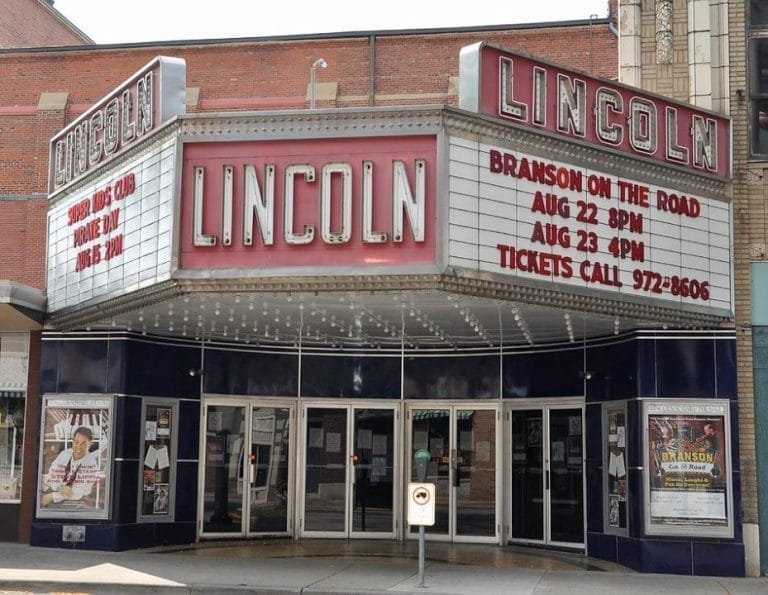
Lincoln Theater – Haunted Theater in Decatur, Illinois
Decatur (Illinois), Illinois
The Lincoln Theater in Decatur, Illinois, stands as a chilling testament to the city’s haunted...
Explore This Location →

Mansion
McPike Mansion – Haunted Historic Home in Alton, Illinois
Alton (Illinois), Illinois
McPike Mansion is one of Illinois’ most infamous haunted homes, located in the small river...
Explore This Location →

Hotel
Mineral Springs Hotel – Haunted Hotel in Alton, Illinois
Alton (Illinois), Illinois
Once a luxurious health resort in the heart of Alton, Illinois, the Mineral Springs Hotel...
Explore This Location →

Prison
Old Joliet Prison – Haunted Prison in Joliet, Illinois
Joliet (Illinois), Illinois
Once a fortress of punishment and confinement, the Old Joliet Prison stands today as a...
Explore This Location →

Hospital
Peoria State Hospital – Haunted Asylum in Bartonville, Illinois
Bartonville (Illinois), Illinois
Peoria State Hospital, located in Bartonville, Illinois, is one of the most famously haunted places...
Explore This Location →

Cemetery
Resurrection Cemetery – Haunted Cemetery in Justice, Illinois
Justice (Illinois), Illinois
Resurrection Cemetery in Justice, Illinois, is one of the most famously haunted graveyards in the...
Explore This Location →

Theater
Rialto Square Theatre – Haunted Theatre in Joliet, Illinois
Joliet (Illinois), Illinois
The Rialto Square Theatre in Joliet, Illinois, is widely regarded as one of the most...
Explore This Location →
Church
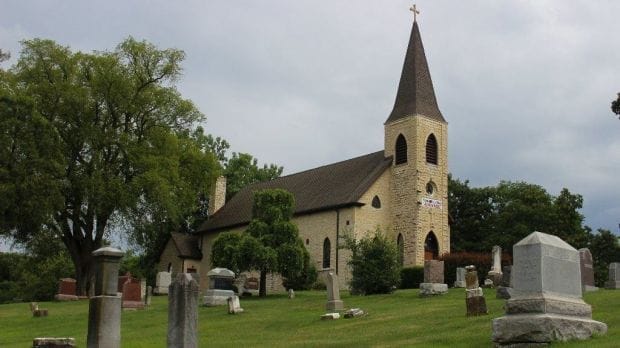
St. James at Sag Bridge – Haunted Church in Lemont, Illinois
Lemont (Illinois), Illinois
Tucked away in the woods near the Des Plaines River, St. James at Sag Bridge...
Explore This Location →

Museum
Tinker Swiss Cottage – Haunted Victorian Museum in Rockford, Illinois
Rockford (Illinois), Illinois
Tinker Swiss Cottage is a beautifully preserved 19th-century home that looks like it belongs in...
Explore This Location →
Illinois stands as one of America’s most haunted states, where centuries of gangster violence, tragic disasters, and frontier brutality have left an indelible supernatural mark across the Prairie State. From the blood-soaked streets of Prohibition-era Chicago to the cursed grounds of abandoned asylums scattered throughout rural Illinois, the state’s paranormal landscape offers ghost hunters and thrill-seekers countless opportunities to encounter the unexplained.
Our comprehensive directory features documented haunted locations throughout Illinois, spanning Al Capone-era speakeasies, abandoned psychiatric hospitals, historic theaters, and disaster sites where restless spirits refuse to depart. Whether you’re a paranormal investigator, a skeptic seeking answers, or simply fascinated by Illinois’ dark history, these locations provide chilling glimpses into the supernatural world that exists alongside our own.
Why Illinois is a Paranormal Hotspot: Illinois’ haunted reputation stems from a volatile history including Prohibition-era gang warfare that left Chicago’s streets running with blood, catastrophic disasters like the 1915 Eastland ship capsizing that killed 844 people, brutal conditions at state mental institutions where thousands died, and the 1871 Great Chicago Fire that killed hundreds and destroyed the city. The state’s position as a transportation and industrial hub meant concentrated populations experiencing tragedy on massive scales, creating perfect conditions for spiritual unrest that paranormal researchers believe manifests through ongoing supernatural phenomena.
Types of Haunted Locations You’ll Find in Illinois
Prohibition-Era Gangster Sites and Speakeasies
Chicago’s notorious gangster history during the 1920s and 1930s created some of America’s most violent urban warfare, with Al Capone’s outfit and rival gangs battling for control of illegal alcohol distribution. The St. Valentine’s Day Massacre site, where seven men were gunned down on February 14, 1929, reports intense paranormal activity including phantom gunshots and the smell of gunpowder.
The Biograph Theater, where John Dillinger was shot by FBI agents in 1934, experiences phenomena including apparitions of a man in 1930s clothing and the sensation of being watched. Green Mill Cocktail Lounge, Al Capone’s favorite speakeasy, reports the gangster’s ghost still sitting in his preferred booth, cigar smoke manifesting when no one is smoking.
Haunted Asylums and Mental Institutions
The Manteno State Hospital, operating from 1930 to 1985, witnessed thousands of patient deaths including a devastating typhoid outbreak in 1939 that killed 47 patients in a single night. The massive campus reports intense paranormal activity including shadow figures gliding through abandoned buildings, disembodied screams, and the overwhelming sensation of despair.
Peoria State Hospital (formerly the Illinois Asylum for the Incurable Insane) operated from 1902 to 1973, housing patients in increasingly overcrowded and brutal conditions. Though most buildings have been demolished, the remaining cemetery with over 3,000 graves (many unmarked) experiences phenomena including apparitions of patients in hospital gowns and mysterious lights moving between graves at night.
The Great Chicago Fire Sites
The 1871 Great Chicago Fire killed an estimated 300 people, destroyed 17,000 buildings, and left 100,000 residents homeless. The fire started near the O’Leary property on DeKoven Street and devastated three square miles of Chicago’s downtown.
Buildings constructed on ground where victims died report paranormal activity including the smell of smoke when no fire is present, phantom screams, and apparitions of people fleeing flames. The Chicago Water Tower, one of few structures surviving the fire, allegedly contains the ghost of a man who hanged himself from the tower’s rafters.
Haunted Theaters and Entertainment Venues
Chicago’s historic theaters host numerous ghosts including actors who died on stage, stagehands killed in accidents, and audience members who never left. The Congress Theater reports multiple spirits including a projectionist who died in the building and continues operating phantom equipment.
The Oriental Theatre (now the James M. Nederlander Theatre) experiences phenomena including a woman in white appearing in the balcony, unexplained cold spots, and equipment malfunctions during performances. Theater workers report feeling invisible hands pushing them on stairs and hearing disembodied voices when the theater is empty.
Disaster Sites and Mass Casualty Locations
The Eastland ship disaster of 1915 killed 844 people when the excursion vessel capsized while docked in the Chicago River. The tragedy occurred within minutes, trapping passengers below decks and creating one of America’s deadliest maritime disasters.
Oprah Winfrey’s Harpo Studios was built on the former site of the Second Regiment Armory, which served as a temporary morgue for Eastland victims. Studio employees and visitors reported ghost sightings, unexplained sounds, and the sensation of unseen presences throughout the building’s operation from 1990 to 2015.
Haunted Cemeteries and Burial Grounds
Bachelor’s Grove Cemetery near Midlothian ranks as one of America’s most haunted cemeteries despite containing fewer than 100 graves. The abandoned cemetery reports over 100 documented paranormal phenomena including the “Madonna of Bachelor’s Grove” (a vanishing woman cradling an infant), phantom vehicles on the adjacent road, and strange orbs of light.
Resurrection Cemetery in Justice is home to the legend of “Resurrection Mary,” a hitchhiking ghost who appears along Archer Avenue asking for rides before vanishing from moving vehicles. Multiple witnesses have reported encountering her since the 1930s, making her one of Chicago’s most famous ghosts.
When to Visit Illinois’ Haunted Locations
Peak Paranormal Season: October through early November offers the highest concentration of supernatural activity across Illinois’ haunted sites, with Halloween bringing special ghost tours in Chicago and at various historic locations statewide. The autumn months see increased reports of ghost sightings, particularly at Chicago gangster sites and abandoned asylums.
The anniversary of the St. Valentine’s Day Massacre (February 14) brings heightened paranormal activity at the massacre site. Many researchers report increased phenomena on this date, with some claiming to hear phantom gunshots at the exact time the massacre occurred.
Disaster Anniversaries: The Eastland disaster anniversary (July 24) sees increased paranormal activity at sites associated with the tragedy, including the former Harpo Studios location and the Chicago River area where the ship capsized. Bachelor’s Grove Cemetery reportedly experiences peak activity on full moon nights.
Year-Round Chicago Investigations: Chicago’s urban haunted locations remain accessible year-round, though winter investigations (December-March) require appropriate cold-weather gear. The city’s gangster sites, theaters, and historic buildings experience consistent paranormal activity regardless of season.
Optimal Investigation Hours: Paranormal investigators report peak spiritual activity between 2 AM and 4 AM, traditionally known as the “witching hour.” Chicago’s late-night establishments including the Green Mill remain open during peak paranormal hours, allowing investigators to document phenomena in active locations.
The Dark History Behind Illinois’ Hauntings
Prohibition Violence and Organized Crime
Chicago’s transformation into America’s organized crime capital during Prohibition (1920-1933) created unprecedented urban warfare. Al Capone’s Chicago Outfit battled rivals including Bugs Moran’s North Side Gang, resulting in hundreds of murders throughout the decade.
The St. Valentine’s Day Massacre represents the most notorious gangland execution, but countless other murders, assassinations, and violent deaths occurred throughout Chicago. The rage and fear created by this violence, combined with many victims dying suddenly without last rites or proper burial, is believed to fuel ongoing paranormal activity at Prohibition-era sites.
Industrial Disasters and Worker Deaths
Illinois’ position as an industrial and transportation hub meant concentrated worker populations facing dangerous conditions. The Eastland disaster killed primarily working-class families attending a company picnic, with entire families drowning together in the Chicago River.
Coal mining disasters throughout southern Illinois killed hundreds of miners throughout the 19th and 20th centuries. The Cherry Mine disaster of 1909 killed 259 miners when fire swept through the mine, and the site reportedly experiences paranormal activity including phantom coal dust clouds and the sounds of trapped miners calling for help.
Mental Institution Horrors
Illinois state hospitals subjected thousands of patients to overcrowding, experimental treatments, and systematic abuse throughout their operation. The 1939 typhoid outbreak at Manteno State Hospital resulted from contaminated water supplies that management knew about but failed to address, causing entirely preventable deaths.
Patients were subjected to lobotomies, electroshock therapy, and isolation in brutal conditions. Many died without family notification and were buried in unmarked graves in institutional cemeteries. The trauma and rage of patients who died without dignity creates some of Illinois’ most intense paranormal activity.
The Great Chicago Fire Devastation
The 1871 fire destroyed most of Chicago in less than two days, with victims burned alive, crushed by collapsing buildings, or trampled in panicked crowds fleeing the flames. The fire moved so quickly that many couldn’t escape, and entire families died together.
Mass graves held victims whose remains couldn’t be identified, and the psychological trauma affected the entire city for generations. Buildings constructed on ground where victims died reportedly inherit the spiritual energy of those who perished in the flames.
Planning Your Illinois Ghost Hunting Adventure
Safety and Legal Considerations
Urban Chicago Investigations: Chicago’s haunted locations exist within a major metropolitan area with significant crime concerns in certain neighborhoods. Paranormal investigators should research neighborhood safety, travel in groups, avoid displaying expensive equipment, and maintain awareness of surroundings.
Late-night investigations require extra caution, particularly when traveling between locations. Many haunted sites are in areas experiencing urban decay or high crime rates, making personal safety a priority alongside paranormal research.
Abandoned Property Dangers: Illinois’ abandoned asylums and industrial sites present serious hazards including structural instability, toxic materials (asbestos, lead paint), and squatter populations. Never enter abandoned buildings without proper permission, safety equipment, and experienced urban exploration guides.
Manteno State Hospital buildings are condemned and extremely dangerous, with collapsed floors and unstable structures. Trespassing on these properties is illegal and potentially deadly, and numerous urban explorers have been injured or killed in Illinois’ abandoned institutions.
Cemetery Regulations: Illinois cemeteries have specific visiting hours, typically dawn to dusk, and nighttime investigations without permission are illegal. Bachelor’s Grove Cemetery is particularly dangerous due to its isolated location near a forest preserve and history of vandalism and satanic ritual activity.
Essential Ghost Hunting Equipment for Illinois
Urban Investigation Gear: Standard paranormal equipment including EMF detectors, digital voice recorders, full-spectrum cameras, and thermal imaging devices are essential. Illinois investigations frequently yield EVP recordings in various languages reflecting Chicago’s immigrant history, including Italian, Polish, and Irish accents.
Cold Weather Equipment: Illinois winters are brutal, with temperatures regularly below freezing and wind chill creating dangerous conditions. Winter investigations require serious cold-weather gear including insulated layers, hand warmers, and waterproof outerwear.
Navigation and Safety: GPS devices and smartphone mapping apps help navigate Chicago’s complex urban layout and locate specific haunted sites. Personal safety equipment including flashlights, first aid kits, and fully charged cell phones are essential for urban investigations.
Historical Documentation: Understanding specific gangster history, building timelines, and disaster details enhances paranormal research. Bring historical photos, newspaper accounts, and victim lists to facilitate spirit communication and verify paranormal phenomena against historical records.
Paranormal Investigation Ethics in Illinois
Respect for Disaster Victims: The Eastland disaster, Great Chicago Fire, and industrial accidents claimed thousands of lives, creating mass tragedies that devastated entire communities. Approach these locations with appropriate reverence, acknowledging that paranormal activity represents real people who died in terrifying circumstances.
Never mock disaster victims or treat mass casualty sites as entertainment. Many victims were children, and their deaths represent unimaginable family tragedies that should be acknowledged respectfully during investigations.
Organized Crime Complexity: Chicago’s gangster history involves real violence and murder, but popular culture often romanticizes Prohibition-era criminals. Approach gangster sites with awareness that victims included innocent bystanders, rival gang members who were also human beings, and law enforcement officers doing their jobs.
Avoid glorifying organized crime while investigating locations associated with Al Capone and other gangsters. The violence they perpetrated created genuine trauma and destroyed countless lives beyond the dramatic shootouts depicted in movies.
Mental Health Stigma: When investigating former psychiatric hospitals, approach with sensitivity to mental illness and awareness of historical psychiatric abuse. Never use derogatory language about mental illness or treat patient spirits as “crazy ghosts” rather than human beings who suffered.
Illinois’ asylum history represents systematic failure to care for vulnerable populations. Document phenomena professionally while acknowledging the injustice and suffering experienced by patients who died in state care.
Haunted Cities and Regions Across Illinois
Chicago: America’s third-largest city combines gangster history, industrial disasters, and urban tragedies creating intense concentrated paranormal activity. The St. Valentine’s Day Massacre site, Green Mill Cocktail Lounge, Congress Theater, and countless downtown buildings experience ongoing supernatural phenomena.
Alton: This Mississippi River town claims to be one of America’s most haunted small cities, featuring numerous haunted locations including the infamous McPike Mansion, the site of the former Illinois State Penitentiary, and various Civil War-era buildings. The town embraces its haunted reputation with ghost tours and paranormal events.
Springfield: Illinois’ capital city features haunted locations including the Old State Capitol where Abraham Lincoln practiced law, the Lincoln Home, and Oak Ridge Cemetery where Lincoln is buried. Various downtown buildings report Civil War-era and 19th-century paranormal activity.
Joliet: Home to the notorious Joliet Prison (featured in “The Blues Brothers”), which operated from 1858 to 2002 and witnessed numerous executions and violent prisoner deaths. The abandoned prison offers ghost tours and paranormal investigations through its brutal cell blocks.
Decatur: The Greenwood Cemetery in Decatur is considered one of Illinois’ most haunted cemeteries, with reports of the “Greenwood Bride” ghost and numerous other apparitions. The town also features various historic buildings with documented paranormal activity dating to the 19th century.
Explore America’s Most Haunted Places by State
Discover spine-chilling locations, paranormal hotspots, and supernatural encounters across all 50 states. Click any state to begin your journey into the unknown.