
📍 Map of Haunted Places in Indiana
Explore all 10 haunted locations across Indiana. Click any pin to view details.
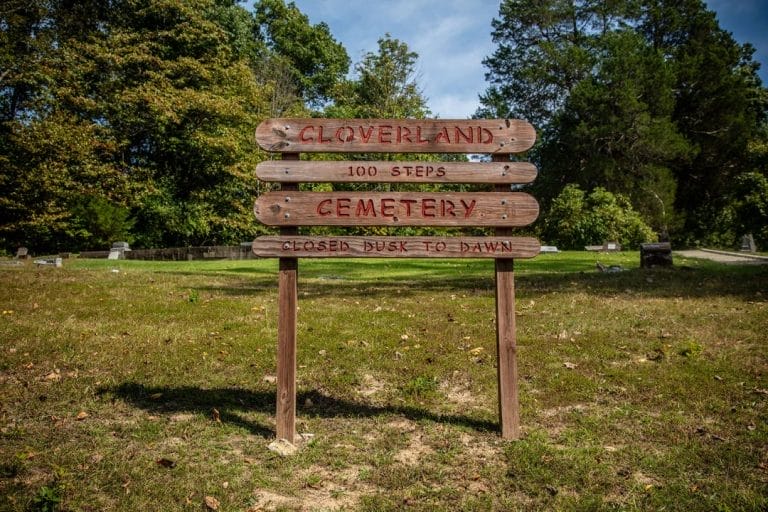
Cemetery
100 Steps Cemetery – Haunted Cemetery in Brazil, Indiana
Brazil (Indiana), Indiana
Deep in the rural outskirts of Brazil, Indiana, sits a cemetery shrouded in local legend...
Explore This Location →
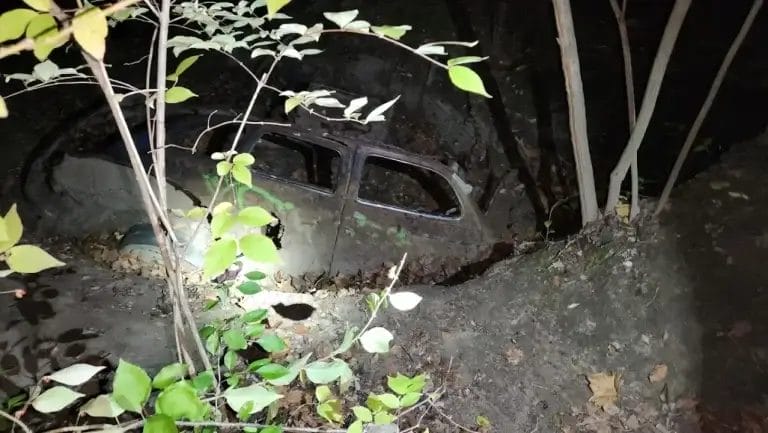
Bridge
Avon Haunted Bridge – Haunted Bridge in Avon, Indiana
Avon (Indiana), Indiana
The Avon Haunted Bridge stands as one of Indiana’s most notorious paranormal locations. This seemingly...
Explore This Location →
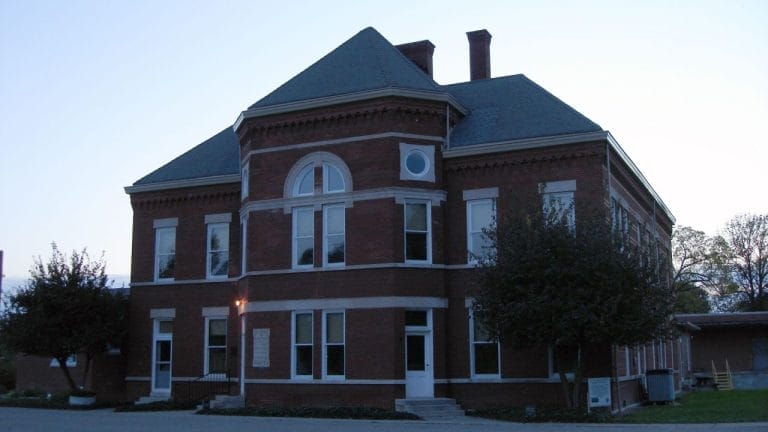
Asylum
Central State Hospital – Haunted Asylum in Indianapolis, Indiana
Indianapolis (Indiana), Indiana
Central State Hospital stands as one of Indiana’s most notorious abandoned institutions. The sprawling complex...
Explore This Location →
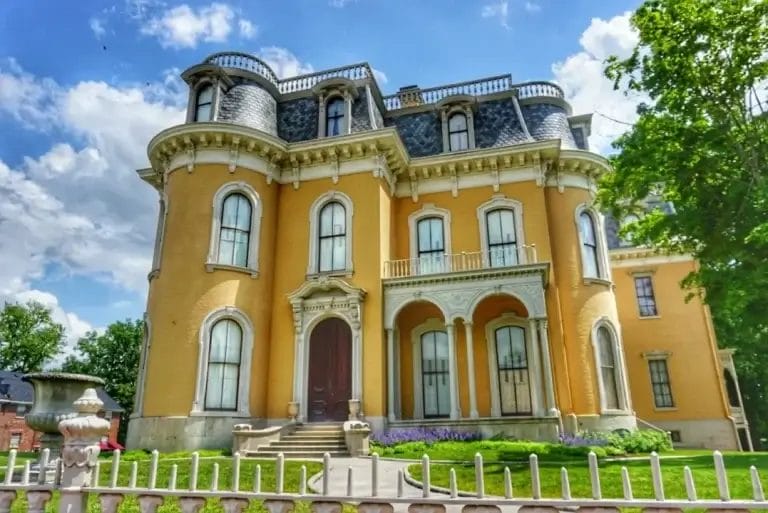
Mansion
Culbertson Mansion – Haunted Mansion in New Albany, Indiana
New Albany (Indiana), Indiana
The Culbertson Mansion stands as a towering Victorian masterpiece in downtown New Albany, Indiana. This...
Explore This Location →
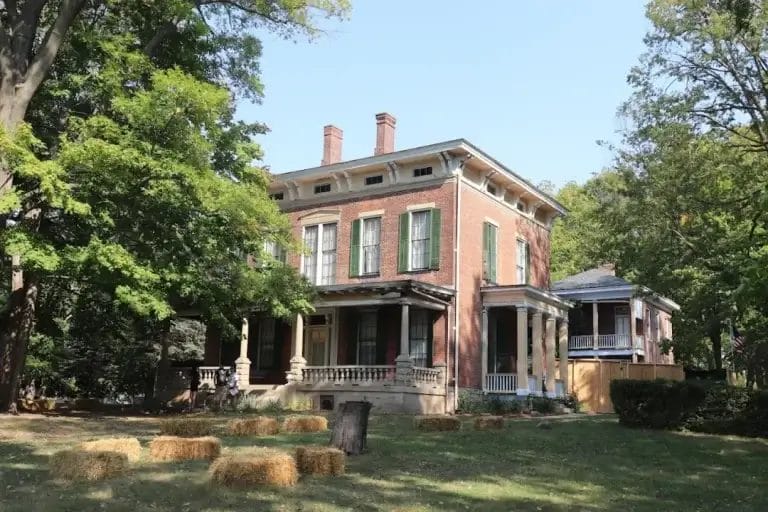
Mansion
Hannah House – Haunted Mansion in Indianapolis, Indiana
Indianapolis (Indiana), Indiana
Hannah House stands as one of Indianapolis’s most notorious haunted locations. Built in 1858, this...
Explore This Location →
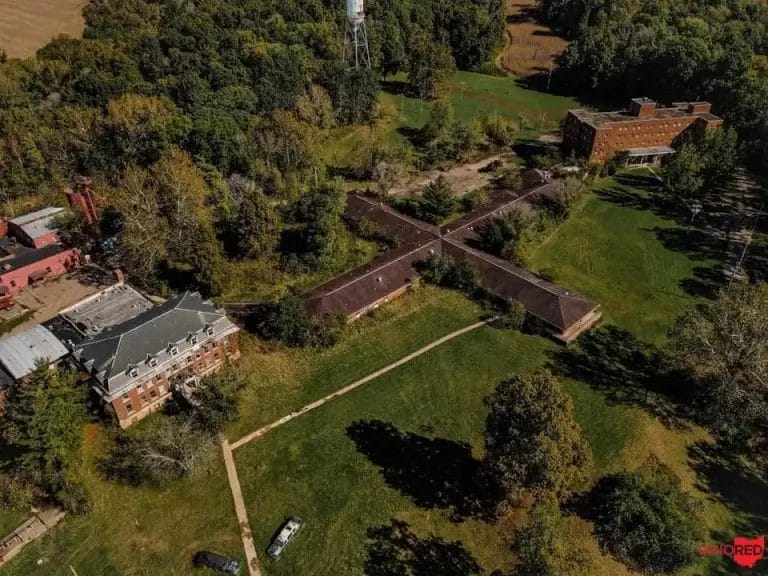
Mansion
Indiana State Sanatorium / Sunnyside Mansion – Haunted Mansion in Madison, Indiana
Madison (Indiana), Indiana
Perched on a hilltop overlooking the Ohio River sits one of Indiana’s most haunted locations....
Explore This Location →
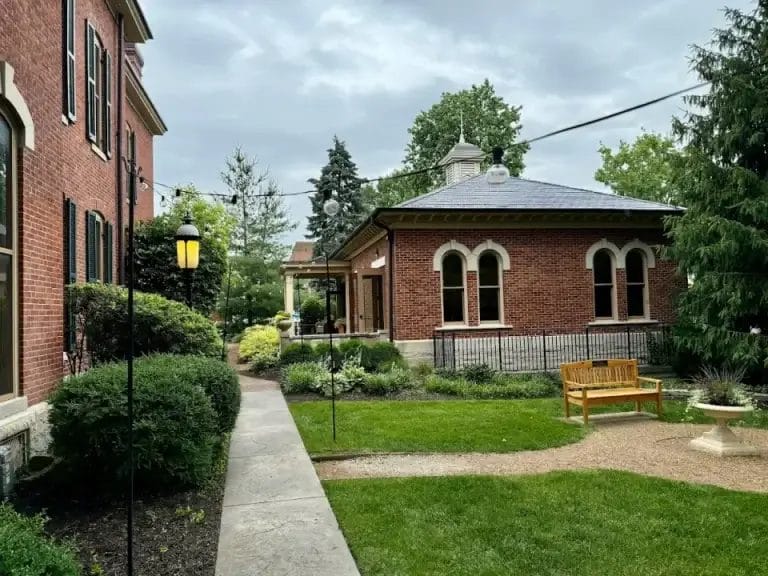
Museum
James Whitcomb Riley House – Haunted Museum in Indianapolis, Indiana
Indianapolis (Indiana), Indiana
The James Whitcomb Riley Museum Home stands as a Victorian treasure in downtown Indianapolis. This...
Explore This Location →
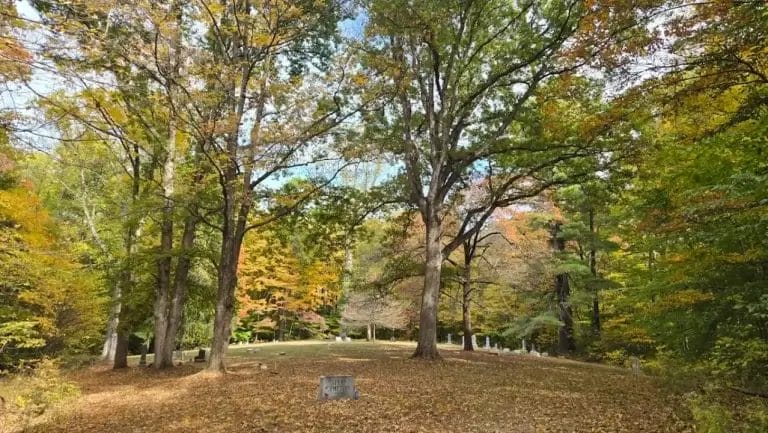
Cemetery
Stepp Cemetery – Haunted Cemetery in Bloomington, Indiana
Bloomington (Indiana), Indiana
Deep in the woods of southern Indiana lies a small abandoned cemetery that whispers tales...
Explore This Location →

Hotel
The Story Inn – Haunted Hotel in Story, Indiana
Story (Indiana), Indiana
Tucked away in the sleepy village of Story, Indiana, sits a charming bed and breakfast...
Explore This Location →
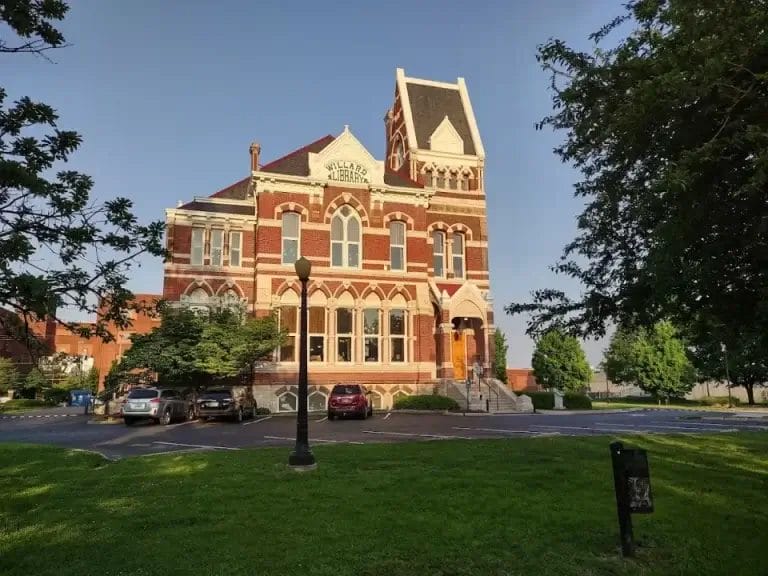
Library
Willard Library – Haunted Library in Evansville, Indiana
Evansville (Indiana), Indiana
Willard Library stands as one of the oldest public libraries in Indiana. The Victorian Gothic...
Explore This Location →
Indiana sits at a crossroads of American history—Civil War battlegrounds, Native American sacred sites, Victorian-era asylums, and industrial-age tragedies have all left their mark on the Hoosier State. This convergence of history and tragedy has created one of the most concentrated paranormal hotspots in the Midwest.
The Dark History Behind Indiana’s Hauntings
Indiana’s paranormal reputation stems from several historical factors. The state served as a major thoroughfare during westward expansion, meaning countless travelers met untimely ends along its trails and waterways. The Civil War touched Indiana deeply, with Morgan’s Raid in 1863 bringing Confederate troops through the southern counties. Add to this the state’s industrial past—mining accidents, factory disasters, and railroad tragedies—and you have the ingredients for persistent supernatural activity.
Indianapolis: The Haunted Heart of Indiana
The Indiana Statehouse
The seat of Indiana’s government harbors more than legislative proceedings. Staff members and security guards have reported encountering the ghost of a woman in Victorian dress wandering the marble halls after hours. Some believe she’s connected to the building’s construction in the 1880s, possibly a worker’s wife who died waiting for news of an accident. Cold spots near the rotunda and unexplained footsteps on the upper floors are common reports.
The Central State Hospital Grounds
Before its demolition and redevelopment, Central State Hospital was considered one of the most haunted locations in the entire Midwest. Operating from 1848 to 1994, this psychiatric facility housed thousands of patients, many of whom died within its walls. The pathological department alone processed over 1,500 brains for study. Today, the remaining structures—including the old power plant and several administrative buildings—still attract paranormal investigators. Shadow figures, disembodied screams, and the sounds of rattling chains have been documented repeatedly.
Hannah House
Built in 1858 by Alexander Hannah, a state legislator and abolitionist, this Italianate mansion served as a stop on the Underground Railroad. Legend holds that a lantern tipped over in the basement where escaped slaves were hiding, causing a fire that killed several people. To protect the secret operation, the bodies were allegedly buried in the basement. Visitors report the smell of decaying flesh, cold spots, and the sounds of moaning from below. The upstairs rooms experience furniture moving on its own, and a spectral figure has been photographed in the windows.
The Old Pathology Building
Part of the former Central State Hospital complex, this building is where autopsies and medical research took place for over a century. Jars containing human organs lined the shelves, and experimental procedures were conducted on deceased patients. Paranormal teams have recorded EVPs (electronic voice phenomena) of voices pleading for help, and full-body apparitions have been captured on thermal imaging cameras.
Southern Indiana: Where History Runs Deep
The Willard Library in Evansville
One of Indiana’s most famous haunted locations, the Willard Library has been home to the “Grey Lady” since at least 1937. A custodian first reported seeing a veiled woman in grey moving through the basement. Since then, hundreds of staff members, patrons, and visitors have encountered her. The library has embraced its haunted reputation, installing “ghost cams” that stream 24/7 online. Theories about her identity range from Louise Carpenter, the daughter of the library’s founder who contested his will, to a former librarian who refuses to leave her beloved books.
The Slippery Noodle Inn, Indianapolis
Indiana’s oldest bar, operating continuously since 1850, has a violent past that includes its time as a stop on the Underground Railroad, a bordello, and a haven for gangsters. The basement still shows bullet holes from Prohibition-era shootouts. Multiple ghosts have been reported: a woman in the upstairs rooms, believed to be a former prostitute who was murdered; a man in period clothing who appears near the bar; and the sounds of a phantom piano playing in empty rooms.
Stepp Cemetery, Martinsville
Hidden in the Morgan-Monroe State Forest, this small cemetery has become legendary in Indiana folklore. The most famous story involves a mother who allegedly sits on a tree stump near her daughter’s grave each full moon. The stump, shaped like a seat, has resisted decay for decades despite the elements. Visitors report being followed by unseen presences, hearing children’s laughter, and experiencing equipment malfunctions. Some claim the surrounding woods are protected by a supernatural guardian who doesn’t take kindly to disrespectful visitors.
The Culbertson Mansion, New Albany
This Second Empire mansion was built in 1867 by William Culbertson, one of the wealthiest men in Indiana at the time. Three of his children died young within the home’s walls. Today, tour guides and visitors report seeing the ghosts of children playing on the grand staircase, the apparition of a woman believed to be Culbertson’s wife looking out the windows, and the overwhelming sense of being watched. Cold spots move through rooms without explanation, and objects have been known to relocate on their own.
Northern Indiana: Industrial Ghosts and Institutional Spirits
The Story Inn, Nashville
Nestled in Brown County, the Story Inn occupies a former general store in the ghost town of Story. The most active spirit is “The Blue Lady,” believed to be the wife of a former owner who died under mysterious circumstances. She’s been seen in Room 2, always surrounded by the scent of cherry tobacco—her husband’s preferred smoke. Guests have reported being tucked into bed by invisible hands, hearing footsteps in empty hallways, and waking to find their belongings rearranged.
The French Lick Springs Hotel
This grand resort has hosted celebrities and presidents since 1845, but its supernatural guests are equally famous. The most frequently sighted spirit is Thomas Taggart, a former owner and political boss who died in 1929. He’s been spotted in the lobby, the service elevator, and his favorite suite. Staff members report lights turning on and off, elevators moving to floors without being called, and the distinct smell of cigar smoke in non-smoking areas.
Tuckaway, Indianapolis
Originally the home of poet Sarah Bolton, this 1840s farmhouse has a well-documented haunting. Owners and visitors have reported a female presence that opens and closes doors, moves objects, and occasionally makes her presence known through the scent of lavender perfume. The house was investigated by the Indianapolis Star in the 1930s, making it one of the earliest documented hauntings in the city.
The Indiana State Prison, Michigan City
Operating since 1860, this maximum-security facility has housed some of Indiana’s most dangerous criminals, including John Dillinger. Executions took place here until 1913, and the death row cells are said to retain residual energy from those final hours. Guards have reported cell doors opening on their own, the sounds of screaming from empty cell blocks, and shadow figures moving through the oldest sections of the prison.
Infamous Haunted Roads and Bridges
The Purple Head Bridge, Hendricks County
This rural bridge earned its macabre name from a persistent legend: a woman was decapitated here, and her head, having turned purple from strangulation, was discovered separately from her body. Drivers report their cars stalling on the bridge, seeing a purple glow in their rearview mirrors, and hearing a woman’s scream cut short. Some claim to have seen a headless figure walking along the road at night.
100 Steps Cemetery, Brazil
Located in Clay County, this cemetery sits on a hillside with exactly 100 steps leading up from the road. Legend states that if you count the steps going up and get a different number going down, the ghost of the cemetery’s undertaker will appear and show you a vision of your own death. Visitors report being touched by invisible hands, hearing whispered warnings, and capturing unexplained orbs and mists in photographs.
The House of Blue Lights, Indianapolis
Though the original house was demolished in 1979, the legend persists. Skiles Test, an eccentric millionaire, allegedly kept his wife’s body on display in a glass coffin illuminated by blue lights. While this story is largely apocryphal—Test’s wife actually outlived him—the blue lights were real, installed to prevent algae growth in his estate’s many pools. Despite the debunking, visitors to the area still report seeing blue lights in the woods where the estate once stood.
Gravity Hill, Mooresville
While not strictly a haunting, this location has supernatural associations. If you park your car at the bottom of a specific hill and put it in neutral, the vehicle will appear to roll uphill. The legend claims the ghosts of children killed in a school bus accident push cars to safety. While the phenomenon is likely an optical illusion created by the surrounding landscape, visitors have reported feeling small hands pushing their vehicles and seeing child-sized handprints in the dust on their bumpers.
Haunted Hotels and Inns for Overnight Investigations
The Whistle Stop Inn, New Carlisle
This former train depot, now a bed and breakfast, is haunted by the spirits of passengers who never reached their destinations. Guests report hearing phantom trains, seeing luggage move on its own, and encountering a woman in 1920s attire who vanishes when approached. The most active room is the one directly above where the ticket counter once stood.
The Barbee Hotel, Warsaw
Operating since 1927, this lakeside hotel has accumulated decades of supernatural activity. The most frequently reported phenomenon is a woman in white who appears on the upper floors, believed to be a guest who committed suicide after receiving news of a family tragedy. Doors open and close on their own, cold spots move through hallways, and guests have reported feeling someone sit on their bed while they sleep.
The Slippery Noodle Inn (Overnight Events)
The bar mentioned earlier occasionally hosts overnight paranormal investigation events, allowing guests full access to the most active areas, including the basement where bullet holes from Prohibition-era violence still mark the walls.
Planning Your Paranormal Visit
Best Times to Visit
Indiana’s haunted locations are most active during the fall months, particularly October when many sites host special ghost tours and investigation events. However, several locations report increased activity during the anniversary dates of tragedies associated with their hauntings.
Recommended Tours
Several companies offer organized paranormal tours throughout the state. Indianapolis has multiple walking ghost tours that cover the downtown area’s most haunted spots. New Albany and Madison offer historic ghost walks focusing on their antebellum architecture and Civil War connections. Brown County provides haunted hayrides and cemetery tours during October.
Investigation Etiquette
If you’re planning to conduct your own investigation, remember that many of these locations are on private property or have restricted access. Always obtain permission before entering. Cemeteries typically close at dusk, and trespassing can result in fines or arrest. Respect the locations—these were real places where real people lived and died. Leave nothing behind and take nothing but photographs and recordings.
Equipment Recommendations
Basic investigation equipment includes a digital voice recorder for EVP sessions, an EMF (electromagnetic field) detector, a reliable flashlight, a camera capable of low-light photography, and a thermometer for documenting cold spots. More advanced investigators use Spirit Boxes, thermal imaging cameras, and motion-activated sensors.
The Skeptic’s Perspective
It’s worth noting that many of Indiana’s haunted locations have logical explanations for at least some of their phenomena. Old buildings settle, creating unexplained sounds. Drafty structures produce cold spots. Suggestion and expectation can cause people to perceive things that aren’t there. However, even the most hardened skeptics have left some of these locations unable to explain everything they witnessed.
Preserving Indiana’s Haunted Heritage
Many of Indiana’s most haunted locations face an uncertain future. Abandoned asylums are being redeveloped, historic buildings are being demolished, and urban sprawl threatens rural cemeteries. Organizations like Indiana Landmarks work to preserve these historic structures, inadvertently also preserving their supernatural inhabitants.
Explore America’s Most Haunted Places by State
Discover spine-chilling locations, paranormal hotspots, and supernatural encounters across all 50 states. Click any state to begin your journey into the unknown.