
📍 Map of Haunted Places in Kentucky
Explore all 10 haunted locations across Kentucky. Click any pin to view details.
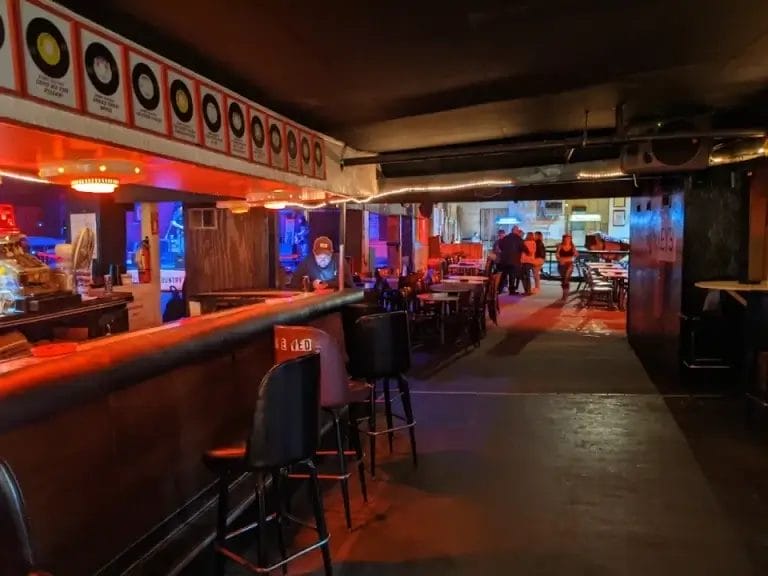
Nightclub
Bobby Mackey’s Music World – Haunted Nightclub in Wilder, Kentucky
Wilder (Kentucky), Kentucky
Bobby Mackey’s Music World stands as one of America’s most haunted nightclubs. This unassuming honky-tonk...
Explore This Location →
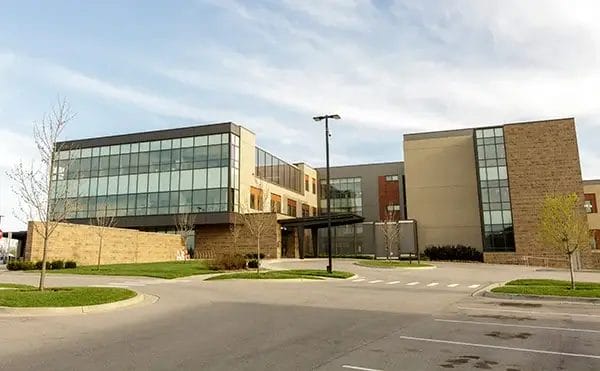
Asylum
Eastern State Hospital – Haunted Asylum in Lexington, Kentucky
Lexington (Kentucky), Kentucky
Eastern State Hospital stands as one of Kentucky’s most disturbing landmarks. The imposing Victorian Gothic...
Explore This Location →
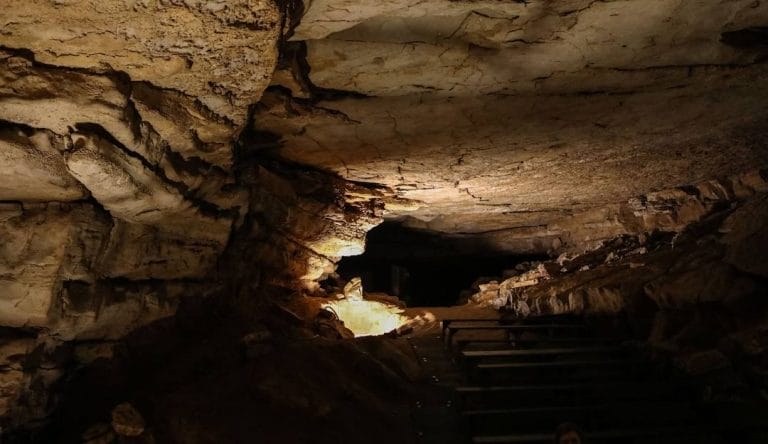
Cave System
Mammoth Cave – Haunted Cave System in Brownsville, Kentucky
Brownsvillle area (Kentucky), Kentucky
Deep beneath the rolling hills of south-central Kentucky lies an ancient labyrinth of limestone passages....
Explore This Location →
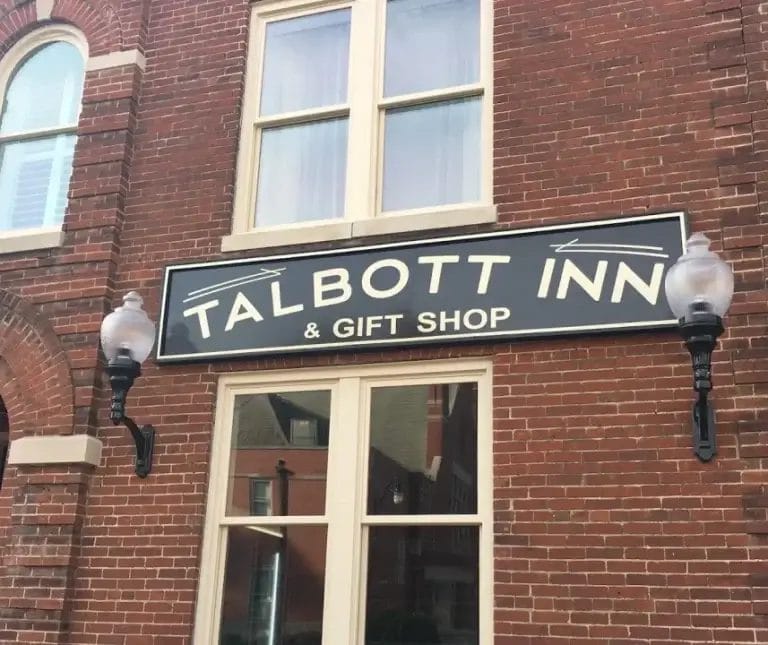
Inn
Old Talbott Tavern – Haunted Inn in Bardstown, Kentucky
Bardstown (Kentucky), Kentucky
The Old Talbott Tavern stands as Kentucky’s oldest bourbon bar and stagecoach stop still in...
Explore This Location →
Battlefield
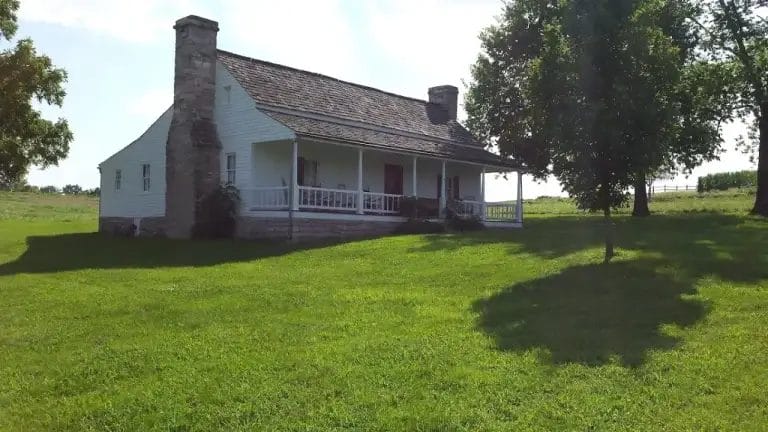
Perryville Battlefield – Haunted Battlefield in Perryville, Kentucky
Perryville (Kentucky), Kentucky
The rolling hills of central Kentucky hold one of the Civil War’s bloodiest secrets. Perryville...
Explore This Location →
Railroad Bridge
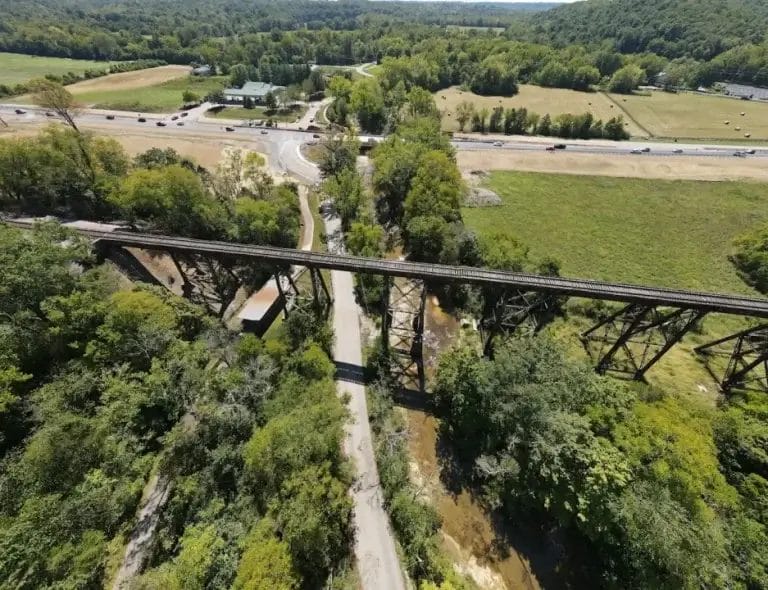
Pope Lick Monster Trestle – Haunted Railroad Bridge in Louisville, Kentucky
Louisville (Kentucky), Kentucky
The Pope Lick Trestle rises 90 feet above the valley floor in eastern Louisville. This...
Explore This Location →
Hotel
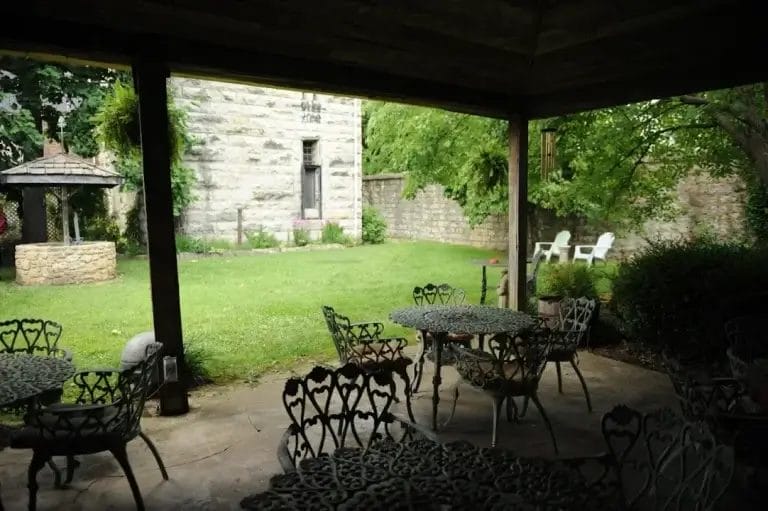
The Jailer’s Inn – Haunted Hotel in Bardstown, Kentucky
Bardstown (Kentucky), Kentucky
The Jailer’s Inn stands as one of Kentucky’s most authentically haunted lodging experiences. This historic...
Explore This Location →

Hotel
The Seelbach Hotel – Haunted Hotel in Louisville, Kentucky
Louisville (Kentucky), Kentucky
The Seelbach Hotel stands as one of Louisville’s most prestigious landmarks. This elegant Beaux-Arts masterpiece...
Explore This Location →
Hospital
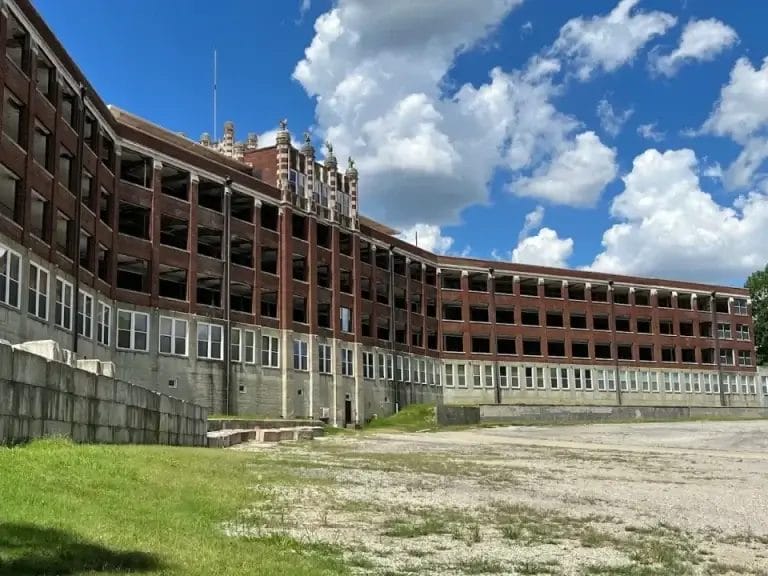
Waverly Hills Sanatorium – Haunted Hospital in Louisville, Kentucky
Louisville (Kentucky), Kentucky
Waverly Hills Sanatorium stands as one of America’s most haunted locations. The massive Gothic structure...
Explore This Location →

Dormitory
Withers Hall / Eastern Kentucky University – Haunted Dormitory in Richmond, Kentucky
Richmond (Kentucky), Kentucky
Withers Hall stands as one of the oldest and most imposing structures on Eastern Kentucky...
Explore This Location →
Kentucky’s haunted landscape runs as deep as its famous Mammoth Cave system. With a history steeped in Civil War bloodshed, frontier violence, tuberculosis epidemics, and tragic accidents, the Bluegrass State offers paranormal enthusiasts some of America’s most actively haunted locations. From the infamous Waverly Hills Sanatorium to secluded country roads where phantom hitchhikers appear, Kentucky’s ghosts tell stories of suffering, tragedy, and unfinished business.
The Most Notorious Haunted Locations in Kentucky
Waverly Hills Sanatorium (Louisville)
Waverly Hills stands as one of the most haunted locations in the entire United States, with a dark history that rivals any horror fiction.
The Tuberculosis Nightmare: Opening in 1910 as a tuberculosis hospital, Waverly Hills treated thousands of patients during the “White Plague” epidemic. At its peak in the 1940s, tuberculosis killed approximately one patient per day. The death toll over the hospital’s operation is estimated between 8,000 and 63,000 people, though exact numbers remain unknown.
The Body Chute: Perhaps the most disturbing feature is the 500-foot underground tunnel used to transport deceased patients away from the hospital. Staff used this “death tunnel” to remove bodies without demoralizing living patients who could see the daily death toll from their windows. This tunnel remains one of the most paranormally active areas of the entire facility.
Documented Paranormal Activity:
- Room 502, where a nurse allegedly hanged herself, experiences constant activity including shadow figures, disembodied voices, and physical touches
- The children’s floor echoes with phantom laughter and the sound of bouncing balls
- A shadow figure known as “The Creeper” crawls along walls and ceilings on the third floor
- Full-bodied apparitions of nurses, doctors, and patients appear throughout the building
- Electronic equipment malfunctions consistently, with batteries draining in minutes
- Visitors report being pushed, scratched, and grabbed by unseen forces
Investigation Opportunities: Waverly Hills offers public ghost tours, historical tours, and overnight paranormal investigations. The facility hosts some of the most professional paranormal events in the country, with multiple investigation rooms, full historical context, and experienced guides. Private investigations can also be arranged.
Bobby Mackey’s Music World (Wilder)
Often called “Hell’s Gate” and “The Most Haunted Nightclub in America,” Bobby Mackey’s Music World has been featured on numerous paranormal television shows and carries a reputation that precedes it.
Layered Dark History: The building’s history includes multiple tragedies. In the 1850s, it was a slaughterhouse, with a well in the basement allegedly used to dispose of blood and waste. In 1896, Pearl Bryan was brutally murdered, decapitated, and her headless body found nearby—her head was never recovered. Some believe her head was thrown down the well in a satanic ritual. The building later became a speakeasy during Prohibition, where additional murders occurred.
The Haunting Claims:
- Pearl Bryan’s ghost appears as a headless woman in the basement and main floor
- A malevolent entity named “Carl” allegedly attacked the club owner’s pregnant wife, causing her to miscarry
- Violent physical attacks on visitors including scratches, pushes, and choking sensations
- The basement well emanates an oppressive, evil presence that drives people out
- Patrons and staff witness shadow figures, hear disembodied voices, and experience possessions
- Objects move on their own, doors slam, and lights operate without human intervention
Visiting Information: Bobby Mackey’s operates as a working country music nightclub, so visits require tickets for tours or investigation events. The owner requires visitors to sign a waiver acknowledging the paranormal claims before entering. The atmosphere is intense, and sensitive individuals often leave the basement quickly.
The Seelbach Hilton Hotel (Louisville)
This opulent hotel has hosted presidents, celebrities, and F. Scott Fitzgerald (who featured it in “The Great Gatsby”), but its most permanent residents checked in and never left.
Tragic Love Story: The most famous ghost is the “Lady in Blue,” believed to be Patricia Wilson, who discovered her husband’s infidelity at a party in the hotel. Devastated, she either jumped or fell to her death in the elevator shaft in the 1930s. Her spirit allegedly wanders the halls in a blue dress, searching for her unfaithful husband.
Paranormal Encounters:
- The Lady in Blue appears in hallways, particularly on the eighth floor, leaving behind the scent of perfume
- Guests in the Otto Seelbach Suite report seeing a man in old-fashioned clothing sitting in chairs
- Elevator malfunctions are common, with cars stopping on floors where no one called them
- The sound of a woman crying echoes through empty hallways at night
- Electronic disturbances in rooms, particularly televisions and lights turning on/off
- Cold spots appear suddenly in heated hallways
Accessibility: As a functioning luxury hotel, the Seelbach is easily accessible. Book a room on the eighth floor for the best chance of paranormal encounters, or simply visit the elegant public spaces where ghosts have been spotted.
The Jailer’s Inn Bed & Breakfast (Bardstown)
This former jail, built in 1819, offers guests the unique experience of sleeping in cells where prisoners once suffered and died.
Prison History: Operating as a jail until 1987, the building housed criminals for nearly 170 years. Several prisoners died in their cells from illness, suicide, and violence. Public hangings took place in the yard until Kentucky moved executions to the state penitentiary.
Ghostly Activity:
- Cell 4 is the most active, with guests reporting being touched, having their blankets pulled off, and hearing whispered conversations
- The ghost of a jailer appears in full period clothing, walking his rounds
- Prisoners’ phantom voices call out from empty cells
- Heavy footsteps pace the hallways at night when all guests are accounted for
- The scent of tobacco smoke appears in non-smoking rooms
- Shadow figures move between cells and through solid walls
Unique Experience: Guests can sleep in actual jail cells that have been converted into themed rooms. Each cell has its own documented paranormal history. The inn offers both standard lodging and paranormal investigation packages.
Mammoth Cave (Mammoth Cave National Park)
The world’s longest cave system stretches over 400 miles, and some of those miles harbor spirits who never found their way out.
Historical Deaths: The cave has witnessed numerous deaths over its history of exploration and tourism. In 1838, tuberculosis patients were brought into the cave for experimental treatment, with several dying underground. Cave guides, explorers, and even tourists have died in accidents within the passages.
Underground Phenomena:
- The ghost of Stephen Bishop, a legendary enslaved cave guide who died in 1857, appears to modern tourists, sometimes offering directions
- Phantom lights move through passages where no tour groups exist
- Disembodied voices call for help in areas where people have become lost or died
- The sound of pickaxes striking stone echoes in areas where saltpeter mining occurred during the War of 1812
- Cold spots appear in passages with stable temperatures
- Electronic equipment fails in specific chambers with no geological explanation
Exploration: Regular cave tours run daily, though guides typically don’t discuss paranormal activity. The most haunted areas include Gothic Avenue, where tuberculosis patients stayed, and remote passages where explorers died. Special “wild cave tours” venture into less-traveled areas with higher paranormal reports.
The Talbott Tavern (Bardstown)
Operating since 1779, the Talbott Tavern is Kentucky’s oldest bourbon bar and one of its most haunted establishments.
Historic Guests: The tavern hosted famous figures including Abraham Lincoln, Daniel Boone, Jesse James, and George Rogers Clark. Jesse James allegedly shot bullet holes in the wall upstairs—holes that remain to this day.
Spirited Activity:
- A woman in white appears in upstairs windows and rooms, believed to be a traveler who died at the inn
- Guests in certain rooms wake to find ghostly figures standing at the foot of their beds
- The smell of cigar smoke fills non-smoking rooms
- Footsteps echo on empty staircases
- Objects move in the dining area when no one is present
- Mysterious knocking on doors with no one in the hallway
Visiting: The tavern operates as a restaurant and inn, offering both dining and overnight accommodations. The upstairs rooms provide the most paranormal activity, particularly the King’s Room.
The Ridgeway Inn and Event Center (Barbourville)
This elegant mansion turned event center has a reputation that keeps paranormal investigators returning.
Tragic Past: Built in the 1850s, the mansion served as a Confederate hospital during the Civil War. Soldiers died on the property, and their suffering left a permanent mark. The building also has a history of family tragedies, including unexpected deaths and suicides.
Haunting Reports:
- A Confederate soldier appears in full uniform on the staircase and in upstairs rooms
- The sounds of surgical procedures and wounded soldiers’ moans echo through empty rooms
- A young girl’s spirit plays in hallways, sometimes appearing to guests
- Doors lock and unlock without keys, trapping or releasing people
- The scent of roses appears suddenly, believed to be a former lady of the house
- Objects, particularly in the kitchen, move or disappear and reappear elsewhere
Liberty Hall Historic Site (Frankfort)
This Georgian mansion, built in 1796, houses multiple generations of spirits in one of Kentucky’s best-preserved historic homes.
Genteel Ghosts: Unlike many haunted locations with violent histories, Liberty Hall’s ghosts seem relatively peaceful. The spirits include a Spanish opera singer who died while visiting in the 1800s, a woman in gray who appears in the garden, and the original owners who still seem to watch over their home.
Paranormal Manifestations:
- The Spanish opera singer appears in period dress, sometimes humming or singing
- The “Gray Lady” walks through the formal garden, vanishing near a specific tree
- Rocking chairs move by themselves in empty rooms
- The scent of period perfumes and colognes appears in certain rooms
- Visitors hear conversations in period language when touring alone
- Doors open to allow passage, then close again as if held by a courteous host
Tours Available: Liberty Hall offers regular historical tours where guides acknowledge the paranormal activity. The site is managed professionally, providing historical context alongside ghostly encounters.
The Old Talbott Tavern Annex (Bardstown)
Separate from but connected to the main Talbott Tavern, this building has its own concentrated paranormal activity.
Independent Hauntings: The annex building experiences different phenomena than the main tavern, suggesting multiple spirits inhabit the connected properties.
Activity Reports:
- A child’s apparition appears in upstairs windows
- Guests hear furniture being moved in empty rooms above them
- Electronic equipment experiences severe interference
- The sensation of being watched is nearly constant in certain rooms
- Phantom footsteps run up and down staircases
Camp Taylor/Waverly Hills Neighborhood (Louisville)
The entire neighborhood surrounding Waverly Hills has paranormal activity, likely residual energy from the hospital era.
Area Phenomena: Residents and visitors report ghostly figures walking streets that lead to the hospital, phantom ambulances with period sirens, and the apparitions of nurses and patients wandering the neighborhood as if lost or confused.
The Stepp Cemetery (Martinsville)
This small abandoned cemetery deep in Morgan-Monroe State Forest has gained notoriety for intense paranormal activity, particularly surrounding the “Stepp Tombstone.”
The Weeping Tombstone: The gravestone of a woman who died in childbirth allegedly weeps real tears. Visitors report seeing the stone wet with moisture that appears to seep from the carved eyes, even in dry weather.
Cemetery Activity:
- The ghost of the grieving mother appears near her tombstone
- Visitors feel overwhelming sadness and experience spontaneous crying
- Electronic equipment malfunctions severely
- Phantom sounds of a baby crying echo through the woods
- Unexplained lights move between gravestones
- Visitors report feeling pushed or touched by invisible forces
The Perryville Battlefield (Perryville)
The site of Kentucky’s largest Civil War battle, where over 7,600 soldiers were killed or wounded in a single day on October 8, 1862.
Battlefield Spirits: The concentrated violence of battle created a landscape rich with paranormal activity. The suffering and sudden death of thousands left psychic impressions that remain active over 160 years later.
Witnessed Phenomena:
- Phantom battle sounds including gunfire, cannon blasts, and men shouting
- Ghostly soldiers in Union and Confederate uniforms walk the battlefield
- The smell of gunpowder appears on calm days with no explanation
- Visitors report seeing field hospitals with wounded men, then the scene vanishes
- Electromagnetic field readings spike in areas of heaviest casualties
- Some visitors experience battlefield injuries phantom pain in areas where they would have been shot or wounded
Visiting: The battlefield is a state historic site with a museum and walking trails. October brings reenactments, and the anniversary of the battle sees heightened paranormal activity.
The Old Louisville Neighborhood
This Victorian neighborhood contains over 48 city blocks of stunning architecture and dozens of individually haunted buildings, making it one of America’s most haunted neighborhoods.
Concentrated Hauntings: Nearly every historic building has its own ghost stories, from murdered residents to tragic accidents. The concentration of Victorian-era deaths, combined with the neighborhood’s preservation, creates a unique paranormal landscape.
Notable Locations:
- The Conrad-Caldwell House Museum has multiple spirits, including a young girl and former servants
- The Witches’ Tree, a gnarled tree where accused witches were allegedly hanged
- The Pink Palace, where residents report a woman in white
- Numerous private residences where owners report regular paranormal activity
Exploration: Walking tours of the neighborhood are available, and the historic homes offer regular tours. October brings special ghost tours and paranormal events.
The Old Bardstown Civil War Museum (Bardstown)
This museum houses Civil War artifacts, some of which apparently came with their former owners’ spirits.
Haunted Artifacts: Museum staff and visitors report that certain exhibits seem to generate paranormal activity, particularly items belonging to soldiers who died in battle.
Activity Reports:
- Shadows move among the exhibits after hours
- Visitors report feeling watched while viewing certain displays
- Electromagnetic disturbances near specific artifacts
- The sound of marching boots on empty floors
- Phantom smells of gunpowder and leather
Planning Your Kentucky Paranormal Investigation
Best Times to Visit
Seasonal Considerations:
- October offers peak paranormal activity and special Halloween events at major locations
- Winter months (November-February) see increased activity, possibly due to longer darkness and anniversary dates of historical events
- Spring and fall provide comfortable weather for outdoor locations like battlefields and cemeteries
Anniversary Dates: Many locations experience heightened activity on anniversaries of significant deaths or events. The Battle of Perryville anniversary (October 8) and dates related to specific deaths at Waverly Hills show increased phenomena.
Time of Day: The traditional “witching hour” (midnight to 3 AM) remains most active for paranormal investigations, though daytime activity occurs frequently at locations with residual hauntings.
What to Bring
Essential Investigation Equipment:
- EMF detector (K-II or Mel Meter) to measure electromagnetic field fluctuations
- Digital voice recorder for EVP (electronic voice phenomena) sessions
- Full-spectrum or infrared camera for low-light photography
- Multiple flashlights with extra batteries (paranormal activity notoriously drains batteries)
- Temperature gun or ambient thermometer to detect cold spots
- Motion sensors or REM pods to detect movement in empty rooms
- Spirit box or other communication devices (if you’re experienced with them)
- Notebook and multiple pens for documentation
Practical Necessities:
- Sturdy, comfortable shoes (many locations have uneven floors, stairs, or outdoor terrain)
- Layered clothing (paranormal cold spots can drop temperatures 20-30 degrees suddenly)
- Water and energy snacks
- First aid kit (old buildings have hazards)
- Portable phone charger
- Flashlight headband or clip for hands-free lighting
Optional But Helpful:
- Compass (to note electromagnetic interference)
- Laser grid for detecting shadow movement
- Night vision equipment
- Extra SD cards and recording media
- Sage or protective items if you believe in spiritual protection
Investigation Tips and Best Practices
Research Before You Go: Understanding a location’s history helps you ask relevant questions during EVP sessions and know which areas to focus on. Historical knowledge also helps you identify genuine period details in apparitions versus modern contamination.
Respect the Spirits and the Space: Remember that paranormal locations are often sites of genuine human tragedy. Approach investigations with respect rather than provocation. Taunting spirits rarely produces meaningful evidence and can create dangerous situations.
Documentation Protocol:
- Note exact times of all experiences
- Record environmental conditions (temperature, weather, humidity)
- Document who was present and where they were positioned
- Take baseline readings before investigation begins
- Photograph and measure rooms before claiming size changes or movement
Safety First:
- Never investigate alone—always have at least one partner
- Inform someone not on the investigation of your location and expected return time
- Respect all “Do Not Enter” signs and structural warnings
- Watch for physical hazards like unstable floors, exposed nails, and low doorways
- If you feel physically threatened or extremely uncomfortable, leave immediately
- Keep a clear path to exits at all times
Evidence Collection:
- Take multiple photos of the same area from different angles
- Run EVP sessions for at least 10 minutes in each location
- Ask clear, specific questions with pauses for responses
- Review evidence objectively, eliminating natural explanations first
- Compare findings with historical records to verify accuracy
What NOT to Do:
- Don’t trespass—always obtain proper permission
- Don’t use Ouija boards or summoning rituals unless you’re experienced and protected
- Don’t provoke aggressive or demonic entities
- Don’t investigate while intoxicated or under the influence
- Don’t contaminate evidence by making sounds during EVP sessions
- Don’t assume every unexplained event is paranormal
Permissions and Legal Considerations
Public Locations: Sites like hotels, restaurants, and museums are accessible during business hours. Call ahead to ask about photography policies and late-night access.
Tour-Only Locations: Places like Waverly Hills and Bobby Mackey’s require purchasing tour or investigation tickets. Book well in advance, especially for overnight investigations.
Private Property: Never trespass on abandoned or private property. Many “haunted” locations are private homes or condemned buildings where investigation is illegal.
State Historic Sites: Locations like Perryville Battlefield have specific hours and rules. Check websites for current policies on photography and after-hours access.
Creating Your Kentucky Haunted Road Trip
The Louisville Paranormal Circuit (3-4 Days)
Day 1: Check into the Seelbach Hilton Hotel for an overnight experience. Explore Old Louisville neighborhood during the day, including walking tours and visits to the Conrad-Caldwell House Museum.
Day 2: Full-day or overnight investigation at Waverly Hills Sanatorium (book months in advance). This requires significant time as the facility is massive and investigations typically run 8+ hours.
Day 3: Drive to Wilder (30 minutes from Louisville) for an evening investigation at Bobby Mackey’s Music World. Return to Louisville for a final night or head to Bardstown.
Day 4: Visit Camp Zachary Taylor area and other Louisville-area haunted locations, or drive to Frankfort for Liberty Hall.
The Bourbon Country Ghost Trail (2-3 Days)
Day 1: Start in Bardstown at the Talbott Tavern with lunch and daytime exploration. Check into the Jailer’s Inn for overnight stay. Evening ghost walk through historic Bardstown.
Day 2: Visit the Old Bardstown Civil War Museum and other local haunted sites. Drive to Frankfort (45 minutes) for Liberty Hall tour.
Day 3: Return route through other bourbon trail locations, many of which have their own ghost stories related to bootlegging and prohibition-era violence.
The Civil War Spirits Tour (2-3 Days)
Day 1: Begin at Perryville Battlefield for daytime exploration and museum visit. Time your visit for late afternoon to experience the battlefield as sunset approaches.
Day 2: Drive to Barbourville (2 hours) for the Ridgeway Inn investigation. The area has several Civil War sites worth exploring.
Day 3: Visit other Civil War-related haunted locations or return through Bardstown to visit locations with Civil War connections.
The Natural Wonders and Paranormal Tour (2-3 Days)
Day 1: Mammoth Cave National Park for cave tours. Book both regular and “wild cave” tours if available. Stay in the park area overnight.
Day 2: Explore other natural cave systems in Kentucky that report paranormal activity. Visit Stepp Cemetery (plan for daylight as it’s remote and difficult to find).
Day 3: Return through rural haunted locations and country roads known for phantom hitchhikers and mysterious lights.
Understanding Kentucky’s Paranormal Landscape
Why Is Kentucky So Haunted?
Border State Trauma: Kentucky’s position as a border state during the Civil War created intense division, violence, and suffering. Families were split, battles ravaged the landscape, and guerrilla warfare terrorized civilians. This concentrated trauma left lasting psychic impressions.
Disease and Epidemic: The tuberculosis epidemic of the early 1900s killed thousands in Kentucky, with Waverly Hills being the epicenter of suffering. The slow, painful deaths and experimental treatments created powerful negative energy.
Frontier Violence: Kentucky’s early history as a frontier territory involved conflicts with Native Americans, outlaws, and harsh living conditions that claimed many lives under traumatic circumstances.
Limestone Geology: Some paranormal researchers theorize that Kentucky’s limestone bedrock may conduct or store paranormal energy, similar to how quartz is believed to hold energy. The entire state sits on limestone, including Mammoth Cave.
Cultural Factors: Kentucky’s rich tradition of storytelling and folklore may make residents more willing to report and investigate paranormal experiences, creating better documentation than skeptical areas.
Types of Hauntings Common in Kentucky
Residual Hauntings: Energy imprints that replay like recordings, common at battlefields and hospitals. These manifest as sounds, smells, or visual impressions that don’t interact with observers.
Intelligent Hauntings: Interactive spirits that respond to questions, move objects, or seem aware of living visitors. Common in former homes and hotels where people had strong emotional attachments.
Poltergeist Activity: Physical manifestations including moving objects, slamming doors, and thrown items. While rare, locations like Bobby Mackey’s report this type of activity.
Shadow People: Dark, humanoid figures without distinct features, frequently reported in institutional buildings and locations with traumatic histories.
Demonic/Malevolent Entities: Extremely rare but reported at locations like Bobby Mackey’s basement. These entities allegedly never lived as humans and may be purely malevolent forces.
Orbs and Light Anomalies: Unexplained lights and orb formations appear frequently in photographs at Kentucky locations, though many can be explained by dust or moisture.
Common Paranormal Phenomena
Electronic Voice Phenomena (EVP): Voices recorded on digital devices that weren’t audible during recording. Kentucky locations frequently produce class A EVPs (clearly understandable without enhancement).
Temperature Fluctuations: Sudden drops in temperature of 10-30 degrees in localized areas, often preceding or accompanying apparitions.
Phantom Smells: Scents with no physical source, including period perfumes, cigar smoke, gunpowder, roses, or decay.
Physical Touch: Unseen forces touching, pushing, grabbing, or even scratching investigators. More common at locations with violent histories.
Equipment Malfunction: Batteries draining instantly, cameras failing, electronic devices turning on/off, or complete equipment failure in specific areas.
Apparitions: Full-bodied or partial visual manifestations of human forms, ranging from transparent to solid-looking. Kentucky reports unusually high numbers of full-bodied apparitions.
Paranormal Investigation Resources
Kentucky-Based Paranormal Teams
Several established teams operate throughout Kentucky and often welcome serious investigators or offer public investigations:
- Louisville Ghost Hunters Society: Focuses on Louisville-area locations with scientific approach
- Kentucky Paranormal Research: Statewide investigations with emphasis on historical research
- Lexington Paranormal Society: Central Kentucky focus with public education mission
- Dark Alley Paranormal: Professional team featured on national television programs
Recommended Reading
“Ghosthunting Kentucky” by Patti Starr: Comprehensive guide to Kentucky’s haunted locations with investigation tips
“Weird Kentucky” by Jeffrey Scott Holland: Explores paranormal locations alongside other strange phenomena
“The Graveyard Shift: A Family Historian’s Guide to New York City Cemeteries”: While focused on cemeteries, offers techniques applicable to Kentucky cemetery investigations
Local Histories: Each county in Kentucky has published histories that provide context for haunted locations. Check local libraries and historical societies.
Online Resources
HauntedPlaces.org: Database of reported haunted locations with user reviews and experiences
Kentucky Historical Society (history.ky.gov): Official records and histories that provide context for paranormal claims
Shadowlands Haunted Places Index: Long-running database of reported hauntings by state and city
Local Tourism Boards: Many Kentucky tourism websites now include official ghost tours and haunted location information
Events and Conferences
October Events: Nearly every haunted location offers special tours, overnight investigations, and events during October. Book early as these sell out quickly.
Paranormal Conferences: Kentucky hosts several paranormal conferences and conventions annually, featuring investigators, equipment demonstrations, and location tours.
Anniversary Events: Major battles, disasters, or significant deaths often have commemorative events that include paranormal programming.
Debunking and Critical Thinking
Natural Explanations to Rule Out
Environmental Factors:
- Old buildings naturally have drafts, settling sounds, and temperature variations
- Limestone caves have unique acoustics that can create echoes and sound distortions
- Electromagnetic fields from wiring, appliances, or natural sources can cause feelings of being watched
- Infrasound (low-frequency sound waves) can create feelings of dread and even visual hallucinations
Psychological Factors:
- Expectation and suggestion can create experiences where none exist
- Fear and adrenaline enhance sensory perception and can cause misinterpretation
- Sleep deprivation during overnight investigations can cause hallucinations
- Group dynamics and social pressure can influence reported experiences
Equipment Issues:
- Dust, moisture, and insects cause most orbs in photographs
- Digital camera artifacts can create false anomalies
- Radio frequency interference can contaminate EVP recordings
- Battery drain is often simply cold weather or old batteries
Maintaining Scientific Skepticism
The best paranormal investigators approach each location with open-minded skepticism—willing to experience phenomena but committed to ruling out natural explanations first. Document everything, compare findings with other investigators, and acknowledge when evidence doesn’t definitively prove paranormal activity.
Safety and Ethical Considerations
Physical Safety
Many haunted locations are old buildings with structural issues. Waverly Hills has unstable floors in some areas. Caves present natural hazards. Always:
- Watch your footing in dark environments
- Test floor stability before putting weight on it
- Avoid standing under unstable ceilings
- Carry multiple light sources
- Know your physical limits (some investigations require climbing stairs or long walks)
Psychological Safety
Paranormal investigation can be psychologically intense:
- Take breaks if you feel overwhelmed
- Don’t push beyond your comfort level
- Discuss disturbing experiences with team members
- Know that fear is normal and doesn’t indicate weakness
- Seek professional help if experiences create lasting distress
Spiritual Protection
Whether you believe in spiritual protection or not, many investigators use protective measures:
- Prayer or meditation before investigations
- Visualization of protective white light
- Carrying religious items, crystals, or protective talismans
- Setting firm boundaries with spirits about what you will allow
- Cleansing rituals after investigations if you feel you’ve brought something home
Respecting the Dead
Remember that haunted locations often represent real human suffering:
- Never mock or disrespect spirits
- Acknowledge the tragedy and pain associated with locations
- Avoid provocation techniques unless absolutely necessary for investigation
- Thank spirits for any communication
- Don’t remove items from gravesites or historic locations
What to Do If You Experience Something
During Investigation
Stay Calm: Fear can cloud judgment and contaminate evidence. Take deep breaths and assess the situation rationally.
Document Immediately: Write down or record exactly what happened, where, when, and who witnessed it. Memory fades quickly.
Verify with Others: Ask team members what they experienced without suggesting what you saw/heard. Independent verification strengthens evidence.
Check Equipment: Review recordings and photographs immediately if possible. What felt paranormal might have natural documentation.
Set Boundaries: If activity becomes threatening or overwhelming, clearly state (out loud) that the behavior is unacceptable and must stop.
After Investigation
Review Evidence Objectively: Wait at least 24 hours before reviewing evidence in detail. Fresh perspective helps identify natural explanations you missed in the moment.
Compare Notes: Discuss experiences with team members, noting where experiences aligned or differed.
Research Findings: Check if your experiences match historical records, previous investigation reports, or documented hauntings.
Cleansing Protocol: If you feel you’ve brought negative energy home:
- Shower and change clothes immediately
- Smudge with sage or use other cleansing rituals from your tradition
- Clearly state that negative entities are not welcome in your home
- Seek help from clergy, spiritual advisors, or experienced investigators if problems persist
Final Thoughts
Kentucky’s paranormal landscape offers something for every level of ghost hunter—from easily accessible hotel hauntings to intense overnight investigations at former asylums. The state’s combination of tragic history, preserved historic sites, and cultural acceptance of paranormal phenomena creates ideal conditions for both experiencing and investigating ghostly activity.
Whether you’re a serious paranormal researcher seeking scientific evidence or simply a curious traveler interested in history’s darker corners, Kentucky’s haunted locations provide experiences that challenge skepticism while honoring genuine human tragedy. The spirits of the Bluegrass State seem willing to communicate with those who approach with respect, patience, and open minds.
Remember that the best paranormal investigations balance the thrill of ghost hunting with respect for history and those who died in these locations. Every haunted site in Kentucky represents real people who lived, suffered, loved, and died—often under tragic circumstances. Approaching these locations with empathy and reverence not only produces better paranormal evidence but honors the memory of those whose stories echo through time.
Pack your equipment, research your locations, gather your bravest friends, and prepare for encounters that might just change your perspective on life, death, and what lies beyond. Kentucky’s ghosts are waiting.
Explore America’s Most Haunted Places by State
Discover spine-chilling locations, paranormal hotspots, and supernatural encounters across all 50 states. Click any state to begin your journey into the unknown.