
📍 Map of Haunted Places in Louisiana
Explore all 20 haunted locations across Louisiana. Click any pin to view details.
Mansion
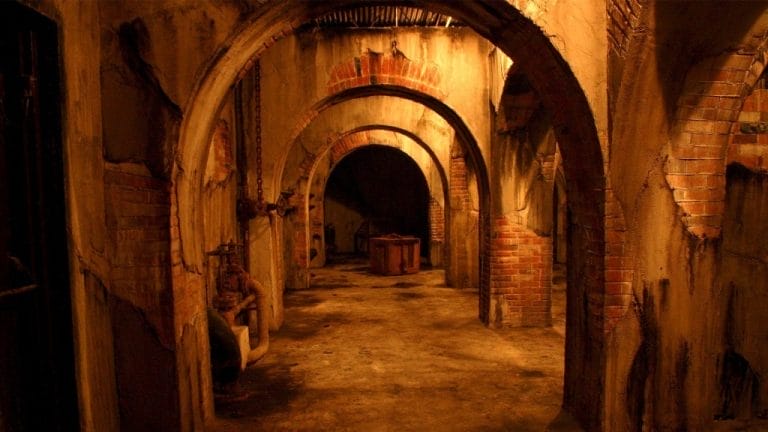
13th Gate – Haunted Attraction in Baton Rouge, Louisiana
Baton Rouge (Louisiana), Louisiana
The 13th Gate in Baton Rouge, Louisiana, is widely regarded as one of the most...
Explore This Location →

Restaurant
Arnaud’s Restaurant – Haunted Fine Dining in New Orleans, Louisiana
New Orleans (Louisiana), Louisiana
Arnaud’s Restaurant, one of the most famous dining establishments in New Orleans’ French Quarter, is...
Explore This Location →
Road
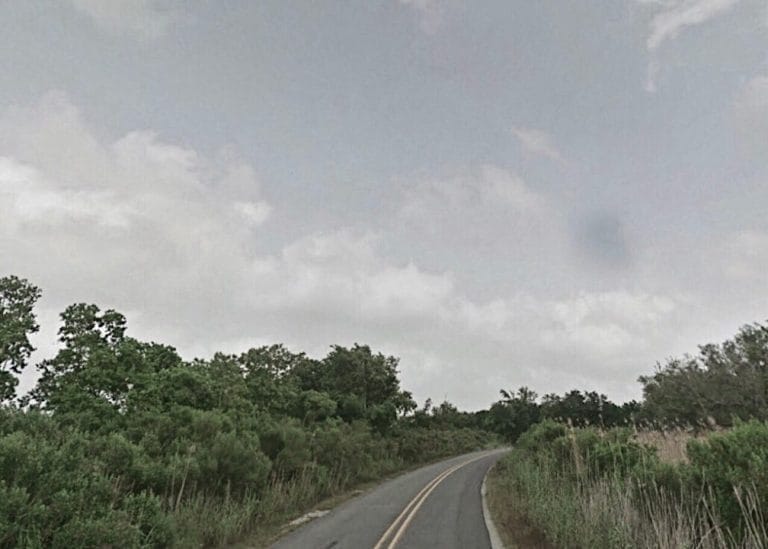
Bayou Sale Road – Haunted Road in Franklin, Louisiana
Franklin (Louisiana), Louisiana
Tucked away in the swamps of Franklin, Louisiana, Bayou Sale Road is a lonely stretch...
Explore This Location →

Prison
Beauregard Parish Jail (Gothic Jail) – Haunted Jail in DeRidder, Louisiana
DeRidder (Louisiana), Louisiana
The Beauregard Parish Jail, also known as the Gothic Jail, is one of Louisiana’s most...
Explore This Location →

Hotel
Bourbon Orleans Hotel – Haunted Luxury Hotel in New Orleans, Louisiana
New Orleans (Louisiana), Louisiana
Nestled in the heart of New Orleans’ French Quarter, the Bourbon Orleans Hotel is a...
Explore This Location →

Church
Christ Episcopal Church – Haunted Church in Napoleonville, Louisiana
Napoleonville (Louisiana), Louisiana
Tucked away in the small town of Napoleonville, Louisiana, Christ Episcopal Church stands as a...
Explore This Location →

School
Ellerbe Road School – Haunted Abandoned School in Shreveport, Louisiana
Shreveport (Louisiana), Louisiana
Tucked away in the woods of Shreveport, Louisiana, the Ellerbe Road School stands in eerie...
Explore This Location →

Road
Haunted Highway 359 – Haunted Roadway in Louisiana
Port Barre (Louisiana), Louisiana
Deep in the swamplands of Louisiana, Highway 359 is more than just a stretch of...
Explore This Location →

Hotel
Hotel Monteleone – Haunted Hotel in New Orleans, Louisiana
New Orleans (Louisiana), Louisiana
Hotel Monteleone is one of New Orleans’ most iconic landmarks, known for its luxury and...
Explore This Location →

Hotel
Hotel Provincial – Haunted Hotel in New Orleans, Louisiana
New Orleans (Louisiana), Louisiana
Tucked in the heart of the French Quarter, Hotel Provincial is a charming yet eerie...
Explore This Location →
Hotel
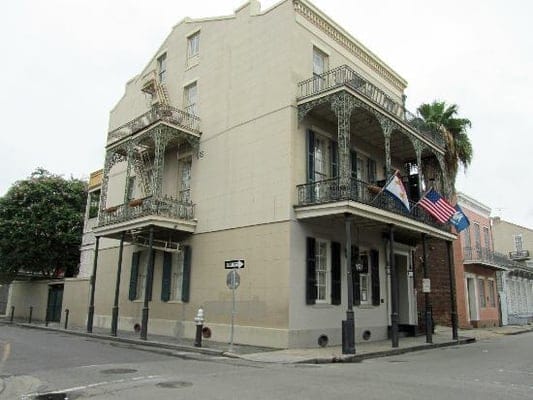
Lafitte Guest House – Haunted Hotel in New Orleans, Louisiana
New Orleans (Louisiana), Louisiana
Nestled in the heart of the French Quarter, Lafitte Guest House is a historic boutique...
Explore This Location →

Mansion
LaLaurie Mansion – Haunted Mansion in New Orleans, Louisiana
New Orleans (Louisiana), Louisiana
The LaLaurie Mansion stands as one of the most infamous haunted locations in the United...
Explore This Location →
Mansion
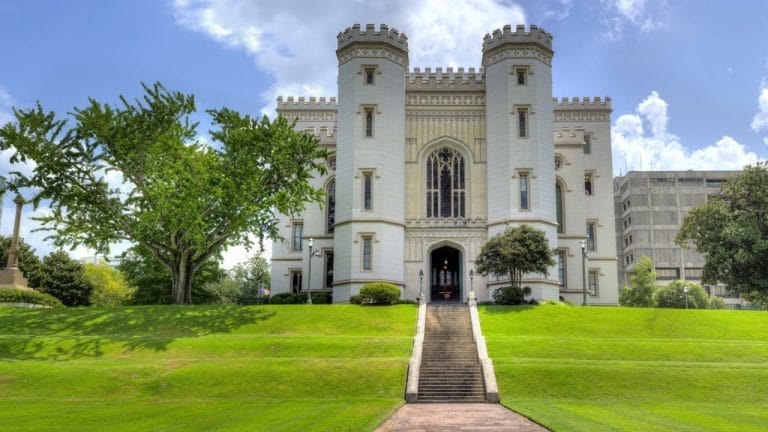
Louisiana’s Old State Capitol – Haunted Government Building in Baton Rouge, Louisiana
Baton Rouge (Louisiana), Louisiana
Sitting atop a bluff overlooking the Mississippi River, Louisiana’s Old State Capitol is one of...
Explore This Location →
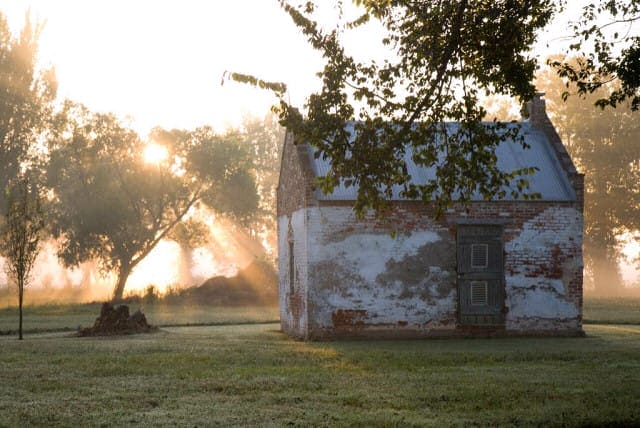
Plantation
Magnolia Plantation – Haunted Plantation in Natchitoches, Louisiana
Derry (Louisiana), Louisiana
Magnolia Plantation, nestled in the heart of Natchitoches, Louisiana, is one of the most haunted...
Explore This Location →

Plantation
Myrtles Plantation – Haunted Antebellum Home in St. Francisville, Louisiana
St Francisville (Louisiana), Louisiana
Myrtles Plantation is often called one of the most haunted homes in America. Built in...
Explore This Location →

Plantation
Oak Alley Plantation – Haunted Plantation in Vacherie, Louisiana
Vacherie (Louisiana), Louisiana
Oak Alley Plantation is one of Louisiana’s most famous and picturesque antebellum homes, known for...
Explore This Location →

Plantation
Oakland Plantation – Haunted Plantation in Haughton, Louisiana
Haughton (Louisiana), Louisiana
Once a grand symbol of Southern prosperity, Oakland Plantation in Haughton, Louisiana, has become infamous...
Explore This Location →

Auditorium
Shreveport Municipal Auditorium – Haunted Theater in Shreveport, Louisiana
Shreveport (Louisiana), Louisiana
The Shreveport Municipal Auditorium is an architectural gem with a dark side. Built in the...
Explore This Location →

Cemetery
St. Louis Cemetery No. 1 – Haunted Cemetery in New Orleans, Louisiana
New Orleans (Louisiana), Louisiana
St. Louis Cemetery No. 1 is one of the most famous and haunted burial grounds...
Explore This Location →

Mansion
The Mortuary – Haunted Funeral Home in New Orleans, Louisiana
New Orleans (Louisiana), Louisiana
The Mortuary is one of New Orleans’ most infamous haunted locations, a former funeral home...
Explore This Location →
Louisiana stands as one of America’s most haunted states, where centuries of voodoo traditions, devastating yellow fever epidemics, and brutal plantation slavery have left an indelible supernatural mark across the Pelican State. From the ghost-filled streets of New Orleans’ French Quarter to the cursed grounds of abandoned plantations along River Road, Louisiana’s paranormal landscape offers ghost hunters and thrill-seekers countless opportunities to encounter the unexplained.
Our comprehensive directory features documented haunted locations throughout Louisiana, spanning voodoo temples, antebellum plantations, historic hotels, and above-ground cemeteries where restless spirits refuse to depart. Whether you’re a paranormal investigator, a skeptic seeking answers, or simply fascinated by Louisiana’s dark history, these locations provide chilling glimpses into the supernatural world that exists alongside our own.
Why Louisiana is a Paranormal Hotspot: Louisiana’s haunted reputation stems from a volatile history including the brutal institution of slavery on plantations where thousands died, devastating yellow fever epidemics that killed tens of thousands in New Orleans alone, the blending of African voodoo with Catholicism creating unique spiritual practices, and catastrophic hurricanes including Katrina that claimed lives and displaced entire communities. The state’s unique position at the intersection of French, Spanish, African, and Caribbean cultures created spiritual traditions unlike anywhere else in America, making Louisiana a paranormal researcher’s paradise.
Types of Haunted Locations You’ll Find in Louisiana
Haunted Plantations and Antebellum Estates
Louisiana’s plantation history created some of America’s most intensely haunted locations, where enslaved people suffered brutal treatment and died by the thousands. Myrtles Plantation near St. Francisville is considered one of America’s most haunted homes, built atop a Tunica Indian burial ground and witnessing multiple murders including the poisoning of Sara Woodruff and her children.
The plantation’s most famous ghost is Chloe, an enslaved woman who allegedly poisoned the family and was subsequently hanged by fellow slaves. Her spirit appears in period clothing throughout the plantation, and visitors report being touched by unseen hands, hearing children laughing in empty rooms, and seeing phantom figures on the veranda.
New Orleans Voodoo Sites and Spiritual Locations
New Orleans’ unique voodoo tradition, brought by enslaved Africans and Haitian refugees, created spiritual practices that blur the line between religion and paranormal activity. Marie Laveau, the Voodoo Queen of New Orleans who died in 1881, is buried in St. Louis Cemetery No. 1 and her tomb remains a pilgrimage site.
Her spirit reportedly grants wishes to those who mark her tomb with three X’s, though cemetery officials discourage this practice. The New Orleans Historic Voodoo Museum and various voodoo temples throughout the French Quarter report ongoing spiritual manifestations that practitioners consider routine spirit contact rather than hauntings.
Haunted Hotels and French Quarter Buildings
The Hotel Monteleone in New Orleans’ French Quarter has operated since 1886 and hosts numerous ghosts including a mischievous boy named Maurice who plays pranks on guests. The Carousel Bar rotates continuously, and bartenders report glasses moving independently and phantom patrons sitting at empty seats.
The LaLaurie Mansion at 1140 Royal Street witnessed unspeakable horrors when Madame Delphine LaLaurie tortured enslaved people in her attic, a crime discovered after an 1834 fire. The mansion remains one of New Orleans’ most haunted locations, with neighbors reporting screams emanating from the empty building and apparitions of Madame LaLaurie’s tortured victims appearing in windows.
Above-Ground Cemeteries and “Cities of the Dead”
Louisiana’s high water table necessitates above-ground burial in elaborate tomb structures that create eerie “cities of the dead” throughout New Orleans. St. Louis Cemetery No. 1, established in 1789, contains the tombs of Marie Laveau and thousands of yellow fever victims.
The cemetery’s maze-like layout and elaborate tombs create disorienting conditions where visitors report seeing figures that vanish between tombs. St. Louis Cemetery No. 3 and Lafayette Cemetery No. 1 in the Garden District also report frequent paranormal activity including phantom funeral processions and apparitions of mourners from different historical periods.
Haunted Bars and Music Venues
New Orleans’ legendary nightlife includes numerous bars haunted by former patrons who apparently enjoyed the establishments too much to leave. Lafitte’s Blacksmith Shop, operating since the 1700s, is one of America’s oldest bars and is haunted by the ghost of pirate Jean Lafitte himself.
Patrons report seeing a figure in Colonial-era clothing sitting by the fireplace, sudden temperature drops, and the sensation of being watched by unseen entities. The building’s lack of electricity (it’s lit entirely by candlelight) creates an authentically spooky atmosphere for paranormal encounters.
Yellow Fever Epidemic Sites and Medical Buildings
Yellow fever epidemics devastated New Orleans repeatedly throughout the 19th century, with the 1853 epidemic killing over 8,000 people—nearly 10% of the city’s population. The Beauregard-Keyes House served as a temporary hospital during epidemics, and the building reports intense paranormal activity including the smell of death and disease, apparitions of fever victims, and unexplained cold spots.
Charity Hospital, which closed after Hurricane Katrina in 2005, treated yellow fever victims for over a century and witnessed countless deaths. Though the abandoned building is technically off-limits, urban explorers report overwhelming paranormal activity including screams, shadow figures, and the sensation of being touched by invisible hands.
When to Visit Louisiana’s Haunted Locations
Peak Paranormal Season: October through early November offers the highest concentration of supernatural activity across Louisiana’s haunted sites, with New Orleans’ Halloween celebrations bringing special ghost tours and voodoo ceremonies. The autumn months see increased reports of ghost sightings, particularly at plantation locations and French Quarter buildings.
All Saints Day (November 1) and Day of the Dead (November 2) bring special significance in Louisiana’s Catholic and voodoo traditions. Cemeteries experience heightened spiritual activity during these days when practitioners believe the veil between living and dead is thinnest.
Mardi Gras Season: The weeks leading up to Mardi Gras (typically February or March) bring intense spiritual energy to New Orleans, as the combination of celebration, excess, and ancient traditions creates conditions for paranormal manifestations. French Quarter locations report increased activity during Carnival season.
Hurricane Season Considerations: June through November is Atlantic hurricane season, and Louisiana’s haunted locations experience heightened paranormal activity during storms. Some researchers believe catastrophic events like Hurricane Katrina created new hauntings and intensified existing supernatural phenomena throughout the region.
Optimal Investigation Hours: Louisiana’s subtropical climate makes nighttime investigations more comfortable year-round. Paranormal investigators report peak spiritual activity between midnight and 3 AM, with the French Quarter experiencing constant supernatural phenomena due to the concentration of tragic history in a small geographic area.
The Dark History Behind Louisiana’s Hauntings
The Brutality of Slavery and Plantation Life
Louisiana’s economy depended entirely on enslaved labor, with plantations along River Road producing massive wealth through sugar and cotton cultivation. Enslaved people endured brutal conditions including whippings, family separations, overwork, and death from disease and accidents.
The LaLaurie Mansion torture chamber represents the extreme end of plantation cruelty, but systematic abuse occurred throughout Louisiana. The rage, despair, and trauma experienced by enslaved people who died without freedom or dignity creates some of Louisiana’s most intense and persistent paranormal activity.
Yellow Fever and Epidemic Devastation
Yellow fever struck New Orleans repeatedly throughout the 19th century, with major epidemics in 1853, 1858, and 1867 killing tens of thousands. The disease caused hemorrhagic fever, black vomit, and agonizing deaths, and entire families were wiped out within days.
Mass graves barely kept pace with the death toll, and many victims were buried hastily in unmarked graves. The terror and grief experienced during epidemic periods created lasting spiritual trauma that manifests through apparitions of fever victims, unexplained illness in specific buildings, and the phantom smell of death and sickness.
Voodoo Traditions and Spiritual Practices
Louisiana voodoo developed from West African religious traditions brought by enslaved people, blending with Catholicism and Native American spirituality to create unique practices. Unlike Hollywood depictions, authentic Louisiana voodoo emphasizes healing, protection, and spiritual connection rather than curses.
However, voodoo’s acceptance of spirit presence means practitioners routinely contact entities that Western paranormal researchers would classify as ghosts. The line between religious practice and paranormal activity becomes blurred in Louisiana, where spiritual manifestations are considered normal rather than supernatural.
Hurricane Katrina and Modern Tragedy
Hurricane Katrina’s 2005 devastation of New Orleans killed over 1,800 people and displaced hundreds of thousands. The psychological and spiritual trauma of the disaster created new hauntings throughout the city, with many believing Katrina victims’ spirits remain trapped in locations where they died.
Abandoned buildings throughout New Orleans’ Lower Ninth Ward and other heavily damaged neighborhoods report intense paranormal activity. Some researchers believe the combination of mass death, trauma, and the breaking of spiritual protection rituals during evacuation created conditions for unprecedented supernatural manifestations.
Planning Your Louisiana Ghost Hunting Adventure
Safety and Legal Considerations
French Quarter Safety: New Orleans’ French Quarter attracts millions of tourists annually, but also experiences property crime and occasional violent crime. Paranormal investigators should travel in groups, stay aware of surroundings, and avoid displaying expensive equipment in public.
Late-night investigations in less-traveled areas of the French Quarter require extra caution. Many haunted locations are near busy bars and restaurants where intoxicated individuals may interfere with investigations or pose safety risks.
Abandoned Building Dangers: Louisiana’s hot, humid climate causes rapid structural deterioration in abandoned buildings. Charity Hospital, abandoned plantations, and other derelict structures present serious hazards including collapsed floors, toxic mold, asbestos, and structural instability.
Never enter abandoned buildings without proper permission, safety equipment, and experienced urban exploration guides. Many abandoned New Orleans buildings also serve as homeless encampments or illegal drug activity sites, creating additional personal safety concerns.
Cemetery Regulations: New Orleans cemeteries have specific visiting hours and many now require guided tours due to vandalism and safety concerns. St. Louis Cemetery No. 1 only allows entry with licensed tour guides, and trespassing after hours can result in arrest.
Respect posted regulations, never mark or damage tombs (including the three X’s on Marie Laveau’s tomb), and understand that cemeteries are sacred spaces deserving reverence regardless of paranormal research interests.
Essential Ghost Hunting Equipment for Louisiana
Climate-Appropriate Gear: Louisiana’s subtropical climate means hot, humid conditions year-round with intense summer heat. Lightweight, breathable clothing and substantial water supplies are essential for investigations lasting more than an hour.
Bug spray containing DEET is mandatory, as Louisiana mosquitoes are aggressive and can carry diseases. The humidity can damage electronic equipment, so waterproof cases and silica gel packets protect cameras, recorders, and other devices.
Standard Paranormal Equipment: EMF detectors, digital voice recorders for EVP evidence, full-spectrum cameras, and thermal imaging devices document supernatural phenomena. Louisiana investigations frequently yield EVP recordings in French, Spanish, West African languages, and Haitian Creole.
Voodoo and Spiritual Protection: Some paranormal investigators working in Louisiana carry spiritual protection items including blessed salt, religious medals, or voodoo protection charms. Whether these items actually provide protection or simply offer psychological comfort is debated, but many researchers consider them essential for Louisiana investigations.
Navigation and Documentation: GPS devices and smartphones with mapping apps help navigate New Orleans’ confusing street layout and document exact locations of paranormal encounters. The French Quarter’s historic buildings often lack clear addresses, making precise location documentation challenging.
Paranormal Investigation Ethics in Louisiana
Respect for Enslaved Ancestors: Plantation investigations require extreme sensitivity to the suffering experienced by enslaved people who died on these properties. Never engage in “slave ghost” tourism that sensationalizes suffering or treats tragic deaths as entertainment.
Acknowledge the horrific reality of slavery and recognize that paranormal activity at plantations represents real people who endured unimaginable trauma. Some researchers believe enslaved spirits deserve prayers, acknowledgment, and respect rather than ghost hunting as entertainment.
Voodoo Spiritual Respect: Louisiana voodoo is a legitimate religious tradition, not a paranormal curiosity or Halloween decoration. Approach voodoo sites, practitioners, and spiritual locations with the same respect you’d show any religious tradition.
Never mock voodoo practices, disturb ritual sites, or treat voodoo-related hauntings as evil or demonic. Many voodoo practitioners welcome respectful paranormal researchers but reject those who approach their traditions with prejudice or sensationalism.
Cultural Sensitivity: Louisiana’s unique cultural blend of French, Spanish, African, Caribbean, and American influences requires awareness and respect. Avoid stereotypes about “spooky New Orleans” or treating cultural traditions as paranormal curiosities.
Support local businesses, hire local guides, and acknowledge that Louisiana residents live with the state’s haunted reputation daily. What tourists treat as entertainment represents real history and ongoing cultural identity for Louisiana communities.
Haunted Cities and Regions Across Louisiana
New Orleans: America’s most haunted city combines French Quarter hauntings, voodoo history, plantation horrors, and hurricane tragedy. The LaLaurie Mansion, St. Louis cemeteries, Hotel Monteleone, and countless French Quarter buildings experience constant paranormal activity.
St. Francisville: This small town along the Mississippi contains some of Louisiana’s most haunted plantations including Myrtles Plantation and The Cottage Plantation. The concentration of plantation hauntings in a small area makes St. Francisville essential for paranormal researchers.
Baton Rouge: Louisiana’s capital features haunted locations including the Old Louisiana State Capitol (known as “The Castle”) and numerous antebellum homes. The city’s position on the Mississippi River and its plantation history contribute to ongoing paranormal activity.
Lafayette: The heart of Cajun Country features unique hauntings blending French Catholic and West African traditions. The Acadian Village and various historic buildings report spirits speaking Cajun French and manifestations tied to Acadian cultural history.
River Road Plantations: The stretch of River Road between New Orleans and Baton Rouge contains dozens of historic plantations, many open for tours and several known for intense paranormal activity. Oak Alley, Laura Plantation, and Destrehan Plantation all report frequent supernatural encounters.
Explore America’s Most Haunted Places by State
Discover spine-chilling locations, paranormal hotspots, and supernatural encounters across all 50 states. Click any state to begin your journey into the unknown.