
📍 Map of Haunted Places in Maine
Explore all 13 haunted locations across Maine. Click any pin to view details.

Farm
Farmington Fright Fest – Haunted Attraction in Farmington, Maine
Farmington (Maine), Maine
Nestled in the heart of Farmington, Maine, the Farmington Fright Fest is more than just...
Explore This Location →
Fort
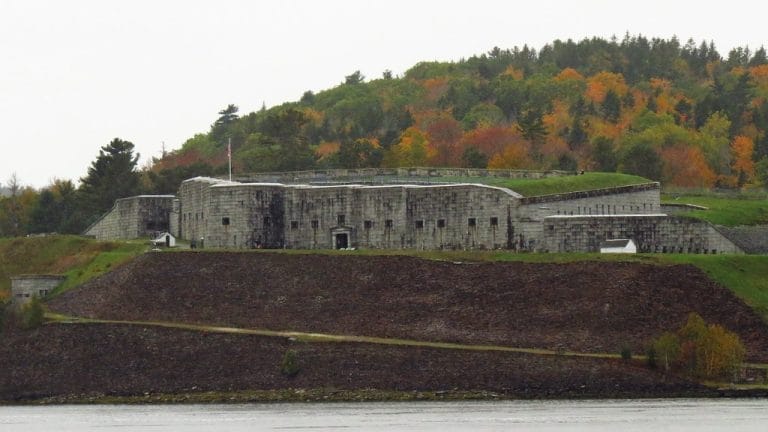
Fort Knox – Haunted Military Fort in Prospect, Maine
Prospect (Maine), Maine
Perched along the banks of the Penobscot River, Fort Knox in Prospect, Maine, stands as...
Explore This Location →

Fort
Fort William Henry – Haunted Colonial Fort in Pemaquid Beach, Maine
New Harbor (Maine), Maine
Fort William Henry, standing near Pemaquid Beach in Maine, is a reconstruction of a 17th-century...
Explore This Location →
Mansion
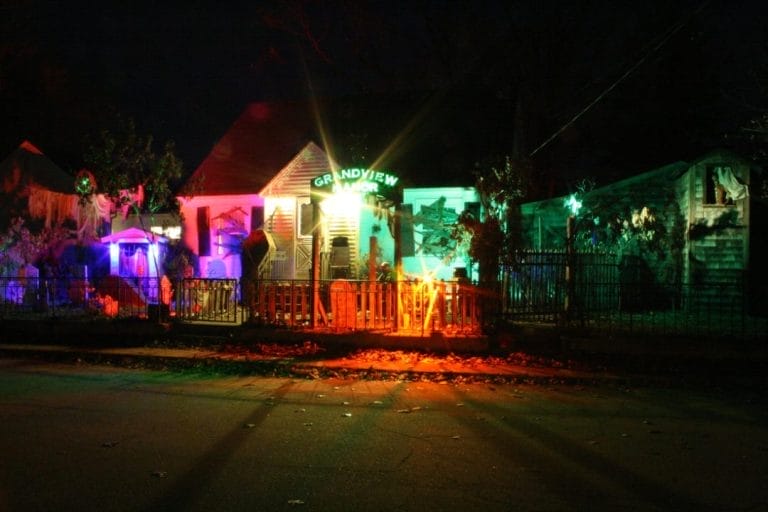
Haunted Grandview Manor – Haunted Mansion in Lebanon, Maine
Lebanon (Maine), Maine
Perched on the outskirts of Lebanon, Maine, Grandview Manor is an imposing 19th-century mansion with...
Explore This Location →

Mansion
Maineiac Manor – Haunted Mansion in Bangor, Maine
Bangor (Maine), Maine
Maineiac Manor, a looming Victorian-era mansion in Bangor, Maine, has long been whispered about in...
Explore This Location →

Cemetery
Mount Hope Cemetery – Haunted Cemetery in Bangor, Maine
Bangor (Maine), Maine
Mount Hope Cemetery in Bangor, Maine, is one of the oldest garden cemeteries in the...
Explore This Location →

Museum
Museums of Old York – Haunted Historic Site in York, Maine
York (Maine), Maine
The Museums of Old York, a collection of historic buildings in York, Maine, is a...
Explore This Location →

Island
Swan Island – Haunted Abandoned Settlement in Maine
Perkins (Maine), Maine
Swan Island, located in the Kennebec River, Maine, is a seemingly tranquil yet eerie location...
Explore This Location →

Arsenal
The Kennebec Arsenal – Haunted Military Site in Augusta, Maine
Augusta (Maine), Maine
The Kennebec Arsenal, located in Augusta, Maine, is a chilling relic of the past with...
Explore This Location →
Hotel
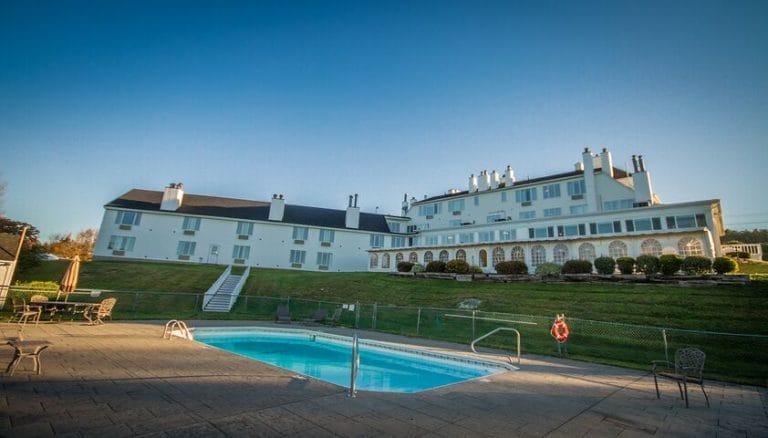
The Lucerne Inn – Haunted Hotel in Dedham, Maine
Dedham (Maine), Maine
The Lucerne Inn, a picturesque and historic hotel in Dedham, Maine, offers guests more than...
Explore This Location →
Dormitory
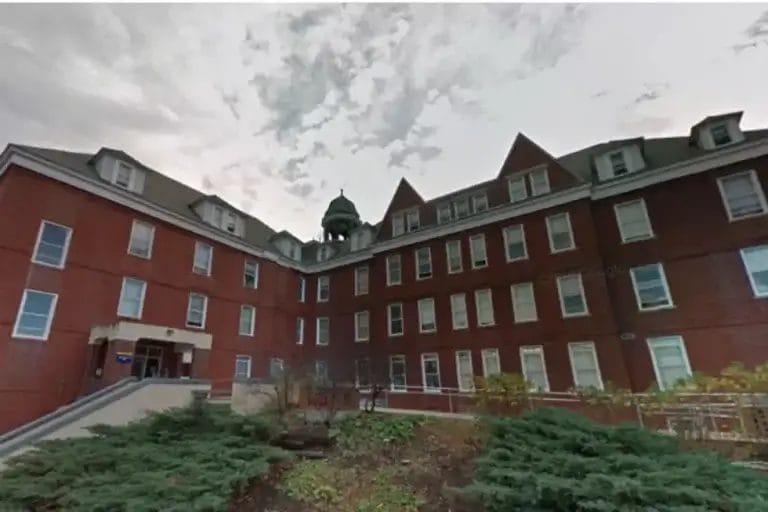
The Robie-Andrews Dormitory – Haunted Dormitory in Gorham, Maine
Gorham (Maine), Maine
The Robie-Andrews Dormitory, located on the University of Southern Maine’s Gorham campus, is one of...
Explore This Location →
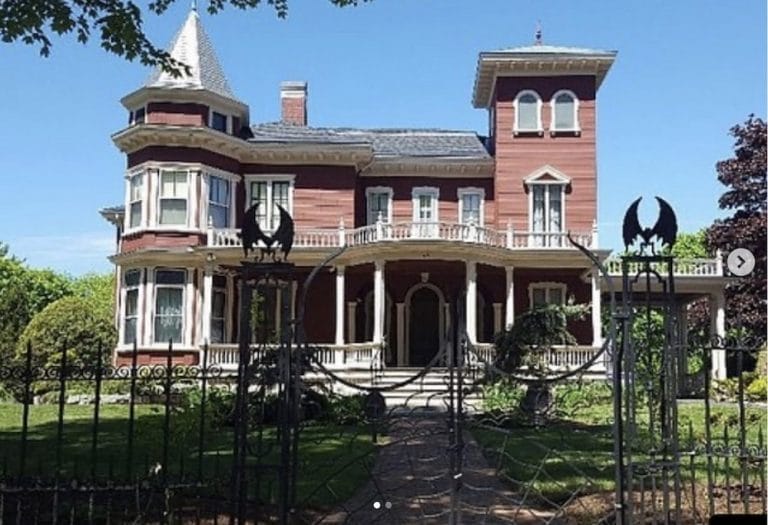
Mansion
The Stephen & Tabitha King Foundation – Haunted Literary Landmark in Bangor, Maine
Bangor (Maine), Maine
The Stephen & Tabitha King Foundation, located in Bangor, Maine, is best known for its...
Explore This Location →
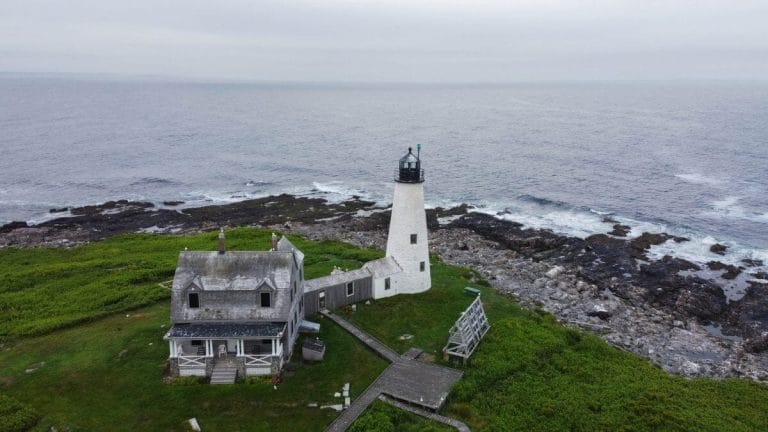
Lighthouse
Wood Island Lighthouse – Haunted Lighthouse in Saco Bay, Maine
Biddeford (Maine), Maine
Wood Island Lighthouse, located off the coast of Maine in Saco Bay, is one of...
Explore This Location →
Discover the Most Haunted Places in Maine: Your Complete Paranormal Guide
Maine stands as one of New England’s most haunted states, where centuries of maritime disasters, colonial warfare, and isolated tragedies have left an indelible supernatural mark across the Pine Tree State. From the ghostly corridors of historic lighthouses to the abandoned psychiatric hospitals hidden in dense forests, Maine’s paranormal landscape offers ghost hunters and thrill-seekers countless opportunities to encounter the unexplained.
Our comprehensive directory features documented haunted locations throughout Maine, spanning Victorian-era hotels, spectral lighthouses, abandoned asylums, and Colonial-era cemeteries where restless spirits refuse to depart. Whether you’re a paranormal investigator, a skeptic seeking answers, or simply fascinated by Maine’s dark history, these locations provide chilling glimpses into the supernatural world that exists alongside our own.
Why Maine is a Paranormal Hotspot: Maine’s haunted reputation stems from a volatile history including brutal Native American conflicts during colonial expansion, devastating shipwrecks along the treacherous rocky coastline, isolated lumber camp tragedies in the vast northern wilderness, and overcrowded asylum conditions that led to thousands of deaths. The state’s harsh winters, extreme isolation, and proximity to the Atlantic Ocean created perfect conditions for tragedy, leaving behind restless spirits that haunt Maine’s coastal villages and inland forests to this day.
Types of Haunted Locations You’ll Find in Maine
Maine’s Haunted Lighthouses
Maine’s rugged coastline features more lighthouses than any other state, and many are intensely haunted by keepers who died at their posts and sailors who perished in shipwrecks. Portland Head Light, commissioned by George Washington in 1791, is haunted by a former keeper whose spirit continues maintaining the light decades after his death.
Visitors report seeing his apparition climbing the tower stairs and smell his pipe tobacco near the keeper’s quarters. Wood Island Lighthouse near Biddeford witnessed a brutal murder-suicide in 1896 when Deputy Sheriff Frederick Milliken shot lighthouse keeper Thomas Orcutt before taking his own life, and both spirits reportedly haunt the isolated island.
Haunted Hotels and Historic Inns
Maine’s Victorian-era hotels and Colonial inns serve as elegant portals to the past—and the supernatural. The Kennebunk Inn, operating since 1799, is haunted by a young woman in a blue dress who appears in the dining room and guest rooms before vanishing through walls.
The Colonial Inn in Ogunquit reports multiple spirits including a sea captain who died in a shipwreck and whose ghost walks the halls searching for his lost crew. Guests frequently report unexplained cold spots, the sound of footsteps in empty corridors, and the overwhelming sensation of being watched by unseen presences.
Maine’s Haunted Asylums and Hospitals
The abandoned Pineland Farms, formerly Pineland Hospital and Training Center, operated from 1908 to 1996 as an institution for the mentally disabled. Thousands of residents died on the property, many buried in unmarked graves, and their spirits reportedly haunt the sprawling campus that’s now an agricultural center.
Visitors report seeing shadow figures of children and adults wandering the grounds, hearing disembodied screams from empty buildings, and experiencing overwhelming sadness near the institution’s cemetery. The Northern Maine General Hospital in Eagle Lake, though still operational, has entire wings where staff refuse to work alone due to frequent paranormal encounters.
Haunted Cemeteries and Burial Grounds
Maine’s Colonial-era cemeteries contain centuries of tragic history, with many built atop Native American burial grounds that were desecrated during European settlement. Eastern Cemetery in Portland, established in 1668, is the city’s oldest burial ground and one of its most haunted locations.
The cemetery contains over 4,000 graves including Revolutionary War soldiers, sea captains, and victims of devastating epidemics. Visitors report phantom funeral processions, apparitions of Colonial-era figures walking among the headstones, and the sound of children crying near the graves of infants who died in the 1700s and 1800s.
Haunted Islands and Coastal Locations
Maine’s hundreds of islands witnessed isolation, shipwrecks, and desperate survival conditions that created intense paranormal activity. Seguin Island, home to one of Maine’s most isolated lighthouses, is haunted by a lighthouse keeper’s wife who went insane from isolation and killed her husband with an axe.
Her ghost plays the same piano melody repeatedly, driving visitors to madness just as the isolation drove her. Monhegan Island, located 10 miles offshore, reports numerous ghost sightings including phantom ships that appear in fog banks before vanishing and the spirits of drowned fishermen walking along the rocky shores.
Abandoned Lumber Camps and Wilderness Locations
Maine’s vast northern forests hide the remains of dozens of abandoned lumber camps where loggers died from accidents, disease, and the brutal conditions of 19th-century forestry work. These remote locations report intense paranormal activity including phantom work songs echoing through empty forests, the sound of axes chopping trees where no one is present, and apparitions of lumberjacks in period clothing.
The isolation and difficulty accessing these locations means most paranormal activity goes unreported. Hunters and hikers occasionally stumble upon these sites and report overwhelming feelings of dread, sudden temperature drops, and the sensation of being watched by hostile presences.
When to Visit Maine’s Haunted Locations
Peak Paranormal Season: October through early November offers the highest concentration of supernatural activity across Maine’s haunted sites, with the autumn months seeing increased reports of ghost sightings and paranormal phenomena. Halloween brings special ghost tours at locations like Fort Knox in Prospect and various historic lighthouses.
The fall foliage season attracts tourists to Maine, making it easier to combine scenic drives with paranormal investigations. However, coastal locations remain active year-round due to the constant presence of maritime spirits.
Winter Investigations: Maine’s brutal winter months (December-March) intensify paranormal activity, particularly at locations with cold-weather deaths and winter isolation tragedies. The extreme isolation of northern Maine during winter creates ideal conditions for supernatural encounters, though accessing remote locations requires proper equipment and winter survival skills.
Lighthouse investigations during winter storms provide the most dramatic paranormal experiences, as the spirits of drowned sailors manifest most strongly during conditions similar to those that claimed their lives. However, winter coastal investigations require extreme caution due to dangerous surf, ice, and limited daylight hours.
Optimal Investigation Hours: Paranormal investigators report peak spiritual activity between 2 AM and 4 AM, traditionally known as the “witching hour.” Coastal locations see heightened activity during fog and storms when visibility drops and the boundary between the physical and spiritual worlds becomes thinner.
The Dark History Behind Maine’s Hauntings
Maritime Disasters and Shipwrecks
Maine’s treacherous coastline has claimed thousands of ships and lives throughout history, creating an overwhelming concentration of maritime spirits. The waters off Cape Elizabeth, Portland, and Mount Desert Island are graveyards for hundreds of vessels that foundered on hidden rocks during storms and dense fog.
Lighthouse keepers witnessed these disasters helplessly, many suffering psychological trauma that lasted until their deaths. The guilt and horror experienced by keepers who couldn’t prevent shipwrecks is believed to bind their spirits to the lighthouses, compelling them to continue their duties in death.
Native American Conflicts and Displacement
King Philip’s War (1675-1678) and subsequent conflicts between European settlers and the Wabanaki Confederacy resulted in brutal violence and massacres throughout Maine. Entire villages were destroyed, prisoners tortured, and sacred burial grounds desecrated during the colonial period.
Locations where massacres occurred, including sites near present-day Portland, Brunswick, and Augusta, report intense paranormal activity including Native American spirits manifesting as shadow figures and voices speaking in Abenaki language. Paranormal researchers believe the spiritual unrest stems from both the violence and the ongoing disrespect shown to sacred sites.
Isolation and Winter Tragedies
Maine’s harsh winters and extreme isolation created conditions where families and individuals died from starvation, hypothermia, and cabin fever-induced violence. Remote homesteads throughout northern Maine witnessed murder-suicides, accidental deaths, and slow starvation during particularly brutal winters when supplies couldn’t reach isolated communities.
The psychological impact of months-long isolation drove some settlers to madness, as documented in the story of the Seguin Island lighthouse keeper’s wife. The combination of isolation, darkness, and desperate circumstances created supernatural hotspots throughout Maine’s wilderness regions.
Asylum Abuses and Institutional Horrors
Pineland Hospital and other Maine institutions subjected thousands of patients to overcrowding, abuse, and experimental treatments throughout the 20th century. Many patients died without dignity, buried in unmarked graves with no family notification or proper funeral rites.
The tormented spirits of patients who died under these conditions create some of Maine’s most disturbing paranormal encounters. Investigators report being physically touched by unseen entities, hearing pleas for help in empty buildings, and experiencing intense emotional distress when investigating former asylum properties.
Planning Your Maine Ghost Hunting Adventure
Safety and Legal Considerations
Respect Private Property: Many of Maine’s most haunted locations are on private property, including numerous lighthouses managed by the Coast Guard or private foundations. Always obtain permission before investigating, and never trespass on posted property.
Maine’s rural areas take property rights seriously, and trespassers may face both legal prosecution and potentially dangerous confrontations with property owners. Some abandoned locations appear accessible but are actively patrolled by local law enforcement.
Wilderness Hazards: Northern Maine’s remote haunted locations require serious outdoor survival skills, proper equipment, and awareness of wildlife including black bears and moose. Cell phone service is non-existent in many areas, and becoming lost or injured can result in life-threatening situations.
Winter investigations in remote locations require winter camping experience, proper cold-weather gear, and emergency supplies. Multiple people have died from hypothermia in Maine’s wilderness, and paranormal investigators must prioritize physical safety over spiritual encounters.
Coastal Dangers: Maine’s rocky coastline presents serious hazards including dangerous surf, sneaker waves, and rapidly changing tides that can trap investigators on isolated rocks or islands. Lighthouse investigations often require boat access, and weather conditions can deteriorate rapidly along the coast.
Fog is common along Maine’s coast and can disorient even experienced investigators. The same conditions that create ideal paranormal investigation environments also create serious navigation and safety challenges.
Essential Ghost Hunting Equipment for Maine
Cold Weather Gear: Thermal underwear, waterproof outer layers, insulated boots, and hand warmers are essential for Maine investigations, particularly during fall and winter months. Even summer coastal investigations require warm layers due to ocean breezes and fog.
Maritime Safety Equipment: When investigating coastal locations and lighthouses, proper marine safety equipment including life jackets, emergency flares, and waterproof communication devices are non-negotiable. Many of Maine’s haunted lighthouses can only be accessed by boat during specific tidal conditions.
Standard Paranormal Equipment: EMF detectors, digital voice recorders for EVP evidence, full-spectrum cameras, and thermal imaging devices document the supernatural phenomena common at Maine locations. Bring multiple backup batteries, as paranormal activity frequently drains power sources and cold weather reduces battery life.
Extra memory cards and waterproof cases protect equipment from Maine’s frequent rain and coastal spray. Many investigators report equipment malfunctions at the most actively haunted locations, making backups essential.
Navigation and Communication: GPS devices, topographic maps, and satellite communication devices are essential for remote wilderness investigations. Maine’s vast forests can disorient even experienced hikers, and paranormal phenomena may include spatial disorientation that compounds navigation challenges.
Paranormal Investigation Ethics in Maine
Spirit Respect: Treat supernatural entities with the same respect you’d show living people, particularly spirits of Native Americans, shipwreck victims, and asylum patients who died under tragic circumstances. Avoid aggressive provocation techniques, taunting spirits, or using offensive language during investigations.
Maine’s haunted locations contain spirits who experienced extreme trauma, isolation, and violent deaths. Many paranormal researchers believe disrespectful behavior toward these vulnerable spirits can trigger dangerous supernatural responses and worsen the spiritual unrest.
Cultural Sensitivity: When investigating sites associated with Native American conflicts or sacred grounds, approach with appropriate reverence and cultural awareness. Consult with Wabanaki historians and cultural advisors when investigating locations with Indigenous history.
The ongoing harm to Native American communities means investigators must be particularly sensitive when documenting phenomena at massacre sites, burial grounds, and locations where cultural genocide occurred. Some phenomena may be beyond Western paranormal investigation frameworks and require Indigenous spiritual perspectives.
Environmental Preservation: Maine’s wilderness locations require leave-no-trace ethics. Never remove artifacts, damage structures, or disturb natural environments during investigations, as this harms both historical preservation and the pristine wilderness that defines Maine’s character.
Haunted Cities and Regions Across Maine
Portland: Maine’s largest city combines maritime history, Colonial warfare, and industrial tragedies, creating intense paranormal activity. Eastern Cemetery, Portland Head Light, and numerous historic inns in the Old Port district host regular supernatural encounters.
Bangor: Stephen King’s hometown features numerous haunted locations including the historic Mount Hope Cemetery and the Thomas Hill Standpipe. The city’s lumber industry history and proximity to northern wilderness contribute to its paranormal reputation.
Bar Harbor and Mount Desert Island: This coastal resort area features haunted hotels, lighthouses, and former tuberculosis sanatoriums. The island’s isolation and history of winter hardship created conditions for numerous tragic deaths that fuel ongoing paranormal activity.
Augusta: Maine’s capital city witnessed Colonial conflicts, devastating floods, and institutional tragedies at nearby mental health facilities. The Kennebec River waterfront and historic downtown report frequent ghost sightings and unexplained phenomena.
Coastal Villages: Small fishing villages throughout Maine’s coast—including Ogunquit, Kennebunkport, Boothbay Harbor, and Camden—contain centuries of maritime tragedy compressed into tiny geographic areas. Nearly every historic building in these communities has documented ghost stories spanning multiple generations.
Explore America’s Most Haunted Places by State
Discover spine-chilling locations, paranormal hotspots, and supernatural encounters across all 50 states. Click any state to begin your journey into the unknown.