
📍 Map of Haunted Places in Maryland
Explore all 10 haunted locations across Maryland. Click any pin to view details.

Battlefield
Antietam National Battlefield – Haunted Battlefield in Sharpsburg, Maryland
Sharpsburg (Maryland), Maryland
The rolling fields of Antietam National Battlefield appear peaceful under most circumstances. But those who...
Explore This Location →

Battlefield
Bladensburg Dueling Grounds – Haunted Battlefield in Bladensburg, Maryland
Bladensburg (Maryland), Maryland
The Bladensburg Dueling Grounds holds a dark distinction in American history. This quiet patch of...
Explore This Location →

Historic Residence
Edgar Allan Poe House – Haunted Historic Residence in Baltimore, Maryland
Baltimore (Maryland), Maryland
The Edgar Allan Poe House stands as a somber monument to America’s master of macabre...
Explore This Location →

Historic Waterfront District
Fell’s Point – Haunted Historic Waterfront District in Baltimore, Maryland
Baltimore (Maryland), Maryland
Fell’s Point stands as one of Baltimore’s oldest and most spirited neighborhoods. This cobblestone waterfront...
Explore This Location →

Asylum
Forest Haven Asylum – Haunted Asylum in Laurel, Maryland
Laurel (Maryland), Maryland
Deep in the woods of Laurel, Maryland, stands one of the most terrifying abandoned asylums...
Explore This Location →
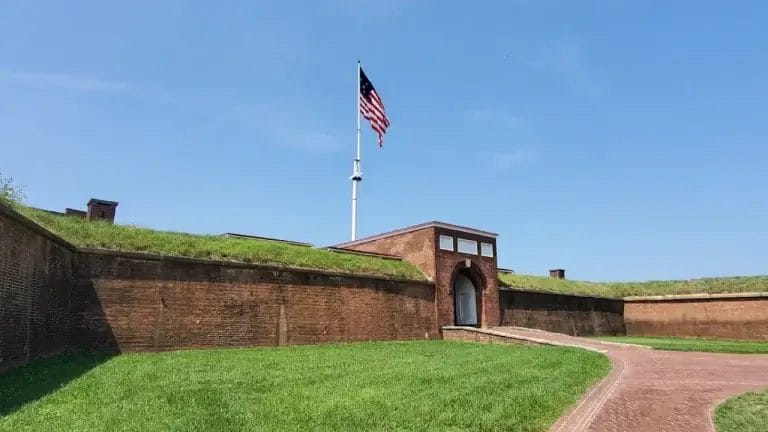
Fort
Fort McHenry – Haunted Fort in Baltimore, Maryland
Baltimore (Maryland), Maryland
Fort McHenry stands as a testament to American resilience and military history. This star-shaped fortress...
Explore This Location →
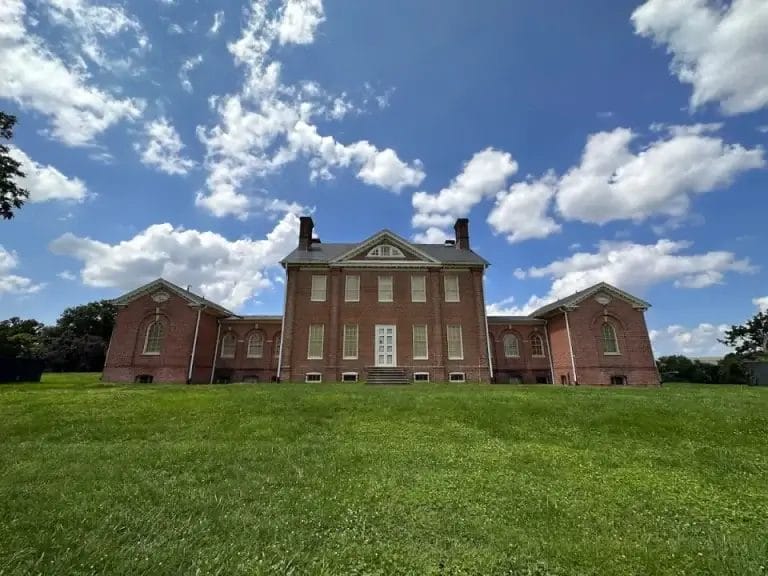
Mansion
Mount Clare Mansion – Haunted Mansion in Baltimore, Maryland
Baltimore (Maryland), Maryland
Mount Clare Mansion stands as Baltimore’s oldest surviving colonial estate. The Georgian mansion rises from...
Explore This Location →

Lighthouse
Point Lookout Lighthouse – Haunted Lighthouse in Scotland, Maryland
Scotland (Maryland), Maryland
Point Lookout Lighthouse stands as a weathered sentinel where the Potomac River meets the Chesapeake...
Explore This Location →
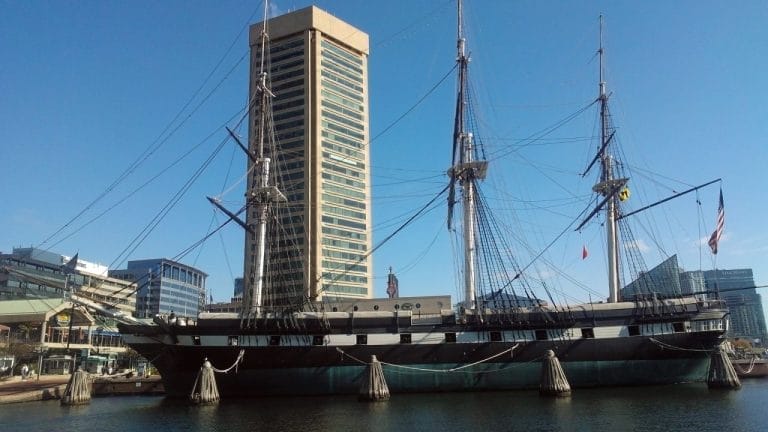
Warship
USS Constellation – Haunted Warship in Baltimore, Maryland
Baltimore (Maryland), Maryland
The USS Constellation sits majestically at Baltimore’s Inner Harbor, her wooden hull creaking with memories....
Explore This Location →
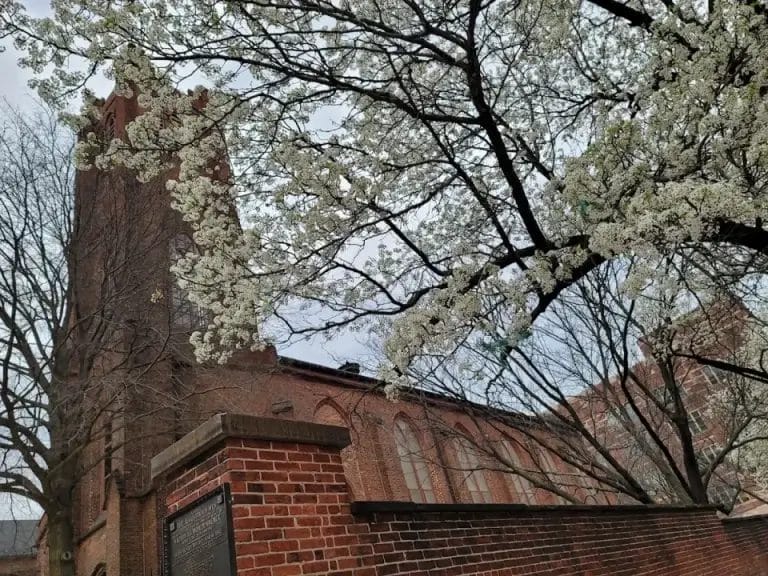
Cemetery
Westminster Hall and Burying Ground – Haunted Cemetery in Baltimore, Maryland
Baltimore (Maryland), Maryland
Westminster Hall and Burying Ground stands as one of Baltimore’s most historically significant and supernaturally...
Explore This Location →
Maryland’s haunted history stretches from the misty shores of the Chesapeake Bay to the fog-shrouded battlefields of Antietam. As one of the original thirteen colonies with a history spanning nearly 400 years, the Old Line State has accumulated centuries of ghost stories rooted in colonial hardship, Civil War carnage, maritime disasters, and urban tragedies. From Edgar Allan Poe’s restless spirit in Baltimore to the tortured souls of America’s bloodiest battle, Maryland offers paranormal enthusiasts a diverse landscape of authenticated hauntings and unexplained phenomena.
The Most Notorious Haunted Locations in Maryland
Fort McHenry National Monument (Baltimore)
The star-shaped fort that inspired “The Star-Spangled Banner” guards Baltimore Harbor with both historical significance and paranormal activity that spans multiple conflicts.
Historical Significance: Built in 1798, Fort McHenry successfully defended Baltimore from British attack during the War of 1812, inspiring Francis Scott Key to write the national anthem. The fort also served as a Union prison during the Civil War and a military hospital during World War I, adding layers of suffering to its history.
The Haunted Legacy: The fort’s dual role as a defensive installation and prison created concentrated areas of death and suffering. Confederate prisoners died from disease, starvation, and harsh conditions during their captivity. Soldiers stationed at the fort during various conflicts also perished from illness and accidents.
Documented Paranormal Activity:
- The ghost of a Union soldier appears near the flag pole, standing eternal watch
- Phantom footsteps echo through the empty powder magazine and dungeons
- Disembodied voices speaking in period dialects heard throughout the fort
- The sound of cannon fire and battle when no reenactments are scheduled
- Cold spots in the underground chambers even during summer months
- Apparitions of Confederate prisoners in the cells, appearing emaciated and desperate
- The scent of gunpowder manifesting suddenly in enclosed spaces
- Electronic equipment malfunctions, particularly in the dungeons and barracks
Investigation Opportunities: While the fort is a National Monument open daily for tours, special after-hours ghost tours and paranormal investigation events occur seasonally. The dungeons and powder magazine are particularly active areas worth focusing investigation efforts.
Antietam National Battlefield (Sharpsburg)
The site of the bloodiest single day in American history holds the trauma of September 17, 1862, when 23,000 soldiers were killed, wounded, or went missing in just twelve hours of combat.
The Day of Carnage: The Battle of Antietam (called Sharpsburg by Confederates) saw unprecedented violence concentrated in specific locations. Bloody Lane became a mass grave where Confederate soldiers stacked bodies three deep for cover. The Cornfield changed hands fifteen times, with every stalk of corn cut down by bullets. Burnside Bridge saw desperate fighting as Union forces tried to cross under withering Confederate fire.
The Psychic Imprint: The concentrated violence and sudden deaths of thousands created what paranormal researchers call a “residual haunting” of extraordinary power. The battlefield doesn’t just host individual ghosts—it seems to replay entire scenes of battle.
Paranormal Phenomena by Location:
Bloody Lane (Sunken Road):
- Phantom battle sounds including musket fire, artillery, and men screaming
- Apparitions of Confederate soldiers taking defensive positions
- The smell of blood, smoke, and death appearing suddenly
- Visitors report feeling pushed or grabbed while walking the sunken road
- Photographs capture blue mist and orbs concentrated in the lane
- Some visitors experience phantom wounds—pain in areas where they would have been shot
The Cornfield:
- Full-bodied apparitions of soldiers from both armies engaged in combat
- Residual replay of the entire battle sequence visible at dawn
- Disembodied voices crying for help or calling out commands
- The sound of thousands of men marching through corn that no longer exists
- Witnesses report seeing the cornfield as it was in 1862, fully grown and being destroyed
Burnside Bridge:
- Confederate sharpshooters appear on the ridge above the bridge
- The sounds of men drowning in the creek below
- Ghostly soldiers attempting to cross the bridge, then vanishing
- Blue lights hovering over the water at night
- The scent of gunpowder at the bridge approach
Additional Battlefield Activity:
- The Dunker Church area shows apparitions of wounded being treated
- Phantom drumming heard across the battlefield, particularly at dawn and dusk
- The ghost of a young Irish soldier named O’Sullivan who appears at the visitor center
- Cemetery Hill manifestations of soldiers’ spirits still standing guard
- Anomalous photographs showing soldiers in period uniforms in areas with no reenactors
Investigation Tips: Visit during early morning hours or near sunset when the veil seems thinnest. The anniversary date (September 17) sees heightened activity. Bring voice recorders for EVP sessions in Bloody Lane and photographic equipment for the Cornfield. The battlefield is open from dawn to dusk, making overnight investigations impossible, but dawn investigations are particularly productive.
The Poe House and Museum (Baltimore)
The cramped rowhouse where Edgar Allan Poe lived from 1833-1835 with his aunt and young cousin (whom he later married) pulses with dark energy fitting the master of macabre literature.
Poe’s Baltimore Years: Though Poe lived in the house only briefly, he returned to Baltimore throughout his life. He died mysteriously in Baltimore in 1849 under circumstances that remain unexplained—found delirious in a tavern, wearing someone else’s clothes, and unable to explain what happened to him.
The Haunting of 203 North Amity Street:
- Poe’s apparition appears in the small garret room where he wrote
- Visitors report overwhelming feelings of sadness and creative desperation
- The sound of scratching—like a quill pen on paper—heard when the house is empty
- A woman’s ghost, possibly his young wife Virginia or aunt Maria Clemm
- Electronic devices drain completely within minutes
- The scent of roses (Poe’s favorite) appearing suddenly
- Windows open on their own, even when locked
- Some visitors report seeing Poe’s face reflected in windows and mirrors
The Poe Toaster Mystery: For nearly 60 years (1949-2009), a mysterious figure in black visited Poe’s grave at Westminster Hall on the author’s birthday (January 19), leaving three roses and a half-bottle of cognac. The tradition’s connection to Poe’s spirit remains debated, but many believe Poe’s ghost approved of and even guided the ritual.
Visiting Information: The Poe House operates as a museum with limited hours. Tours focus on Poe’s life and work, but guides acknowledge the paranormal activity. Photography is permitted, and the garret room consistently produces anomalous results. Westminster Hall & Burying Ground, where Poe is buried, also has independent paranormal activity and is worth visiting.
Point Lookout Lighthouse and Civil War Prison (Scotland)
This desolate peninsula where the Potomac River meets the Chesapeake Bay hosted one of the Civil War’s most notorious prisoner-of-war camps, and the suffering never truly ended.
Prison Camp Horror: Point Lookout held over 52,000 Confederate prisoners during its operation from 1863-1865. Designed for 10,000 men, the camp’s overcrowding, disease, exposure, and starvation killed an estimated 3,000-4,000 prisoners. Unlike other POW camps, Point Lookout had no barracks—prisoners lived in tents even during brutal Maryland winters. Smallpox, typhoid, and dysentery ravaged the population.
The Lighthouse Legacy: The lighthouse, built in 1830, witnessed the camp’s horrors and continued operation into the 20th century. Lighthouse keepers and their families reported paranormal activity from the beginning, with intensity increasing after the Civil War.
Extraordinary Paranormal Activity:
Most Documented Hauntings:
- Over 100 distinct EVP recordings captured, many analyzed by experts
- U.S. government parapsychologist conducted official investigation in 1970s
- Voices speaking in Southern dialects pleading for water, food, and mercy
- The ghost of a Confederate soldier named “Joseph” who interacts with investigators
- Lighthouse keeper’s wife appeared to occupants for decades after her death
- Phantom soldiers standing guard around the perimeter
- The sounds of thousands of men coughing, moaning, and crying
Physical Manifestations:
- Investigators report being touched, grabbed, and having clothes tugged
- The smell of death, disease, and unwashed bodies
- Extreme cold spots even in summer
- Doors opening and closing throughout the lighthouse
- Footsteps on stairs when all occupants are accounted for
- Objects moving or disappearing, then reappearing in different locations
Research Significance: Point Lookout represents one of the most scientifically documented hauntings in America. The combination of lighthouse keepers’ diaries, government investigation, and modern paranormal research creates an exceptional historical record. The Maryland Historical Society and National Park Service acknowledge the paranormal claims.
Investigation Access: The lighthouse is part of Point Lookout State Park. The lighthouse itself is occasionally open for tours and special paranormal investigation events. The park is open year-round, and the former prison camp area can be explored during park hours. The beaches and camp areas remain highly active paranormally.
Westminster Hall & Burying Ground (Baltimore)
This historic church built directly over catacombs containing the remains of thousands—including Edgar Allan Poe—creates an atmosphere thick with death and mystery.
Architectural Oddity: Constructed in 1852, Westminster Hall was built on brick piers over the existing cemetery, creating underground catacombs. The church was essentially built on stilts over graves, allowing corpses to remain while creating a worship space above them. The practical solution created an unsettling juxtaposition of the living and dead.
Notable Residents: Beyond Edgar Allan Poe, the cemetery holds Revolutionary War veterans, victims of yellow fever epidemics, wealthy Baltimore families, and paupers buried in mass graves. The social and temporal diversity of the dead creates complex paranormal activity.
Catacomb Hauntings:
- Apparitions appearing among the brick arches and graves
- The sound of whispered conversations in the darkness
- Orbs and light anomalies captured in photographs
- Visitors report feeling hands touching them in the narrow passages
- The sensation of being followed through the catacombs
- Sudden temperature drops of 20-30 degrees
- Electronic equipment failure in specific areas
Poe’s Grave Phenomena:
- The author’s apparition seen near his monument
- Ravens gathering at the grave (though Baltimore ravens are common)
- Visitors report compulsions to leave flowers or tokens
- Some claim to receive creative inspiration while visiting
- Photographs of the grave often show unexplained mists or shadows
Church Activity:
- Phantom organ music when the church is closed and locked
- The apparition of a minister in period clothing
- Lights turning on in empty rooms
- The sound of congregation hymns from the building’s active church days
Visiting: The catacombs and cemetery are open for tours on weekends from April through November. Special Halloween events and Poe birthday celebrations offer extended access. The catacombs are cramped and dark—bring flashlights and prepare for claustrophobic conditions.
The USS Constellation (Baltimore Inner Harbor)
The last all-sail warship built by the U.S. Navy floats in Baltimore’s Inner Harbor, serving as a museum and home to multiple naval spirits who never left their ship.
Naval History: Launched in 1854, the USS Constellation served through the Civil War, World War I, and World War II. The ship saw combat, transported troops, and served as a training vessel. Multiple sailors died aboard from disease, accidents, and punishment during its active service.
The Haunted Crew:
Neil Harvey – The Gunner’s Mate: The most famous ghost, Harvey was allegedly executed by Captain Thomas Truxton for falling asleep on watch. His ghost appears near the gun deck, sometimes as a full apparition, other times as a shadow figure.
The Unknown Sailor: A spectral figure in a Navy uniform from the 1880s appears throughout the ship, particularly in the orlop deck (lowest deck). Some believe he was killed during ship modifications.
The Surgeon: An apparition wearing a surgeon’s apron appears in the former sick bay area, sometimes appearing to tend to invisible patients.
Paranormal Activity Reported:
- Phantom sounds of bells, commands shouted in naval terminology, and sailors working
- Gunpowder smell manifesting below decks
- Visitors report being touched, pushed, or having their clothes tugged
- Electronic devices malfunction extensively
- Temperature anomalies throughout the ship
- Objects move when no one is nearby—tools, ropes, and ship equipment
- The sensation of the ship moving even when securely docked
- Shadow figures darting between spaces too narrow for humans
- Disembodied voices captured on recordings speaking in period naval language
Investigation Opportunities: The Constellation offers regular tours during the day and special overnight ghost hunts several times per year. The gun deck, orlop deck, and sick bay produce the most activity. The cramped quarters and metal construction create unique investigation challenges—EMF readers spike throughout due to the ship’s metal structure, requiring careful baseline measurements.
The Fells Point Neighborhood (Baltimore)
This historic waterfront neighborhood predates Baltimore itself, with buildings dating to the 1730s. The area’s maritime history of sailors, pirates, press gangs, and merchants created layers of paranormal activity across dozens of buildings.
Maritime Legacy: Fells Point served as a major port for shipbuilding, trade, and immigration. The neighborhood’s taverns and boarding houses catered to sailors, many of whom disappeared into the press gangs forced into naval service. The area also has connections to the slave trade, adding to its dark history.
The Horse You Came In On Saloon: Allegedly the last place Edgar Allan Poe was seen alive before his mysterious death. The tavern, operating since 1775, hosts multiple ghosts including:
- Poe’s apparition in period clothing
- A sea captain who appears at the bar
- The spirit of a young woman in the upper floors
- Phantom sounds of 18th-century revelry
- Objects moving behind the bar
The Admiral Fell Inn: This historic hotel built in 1770 served as a boarding house for sailors and a vinegar bottling plant. Guests report:
- Room 413 has intense activity including apparitions and objects moving
- The ghost of a young boy who drowned nearby
- Phantom footsteps in empty hallways
- The scent of vinegar in areas far from the kitchen
- Doors opening and locking by themselves
Bertha’s Restaurant and Bar: The building’s basement extends to underground tunnels that once connected to the harbor. Activity includes:
- Mussels (the restaurant’s specialty) flying off plates
- Glasses sliding across tables
- A female apparition in Victorian dress
- Cold spots in the tunnels
- Disembodied voices in the basement
General Neighborhood Activity:
- Phantom ships appearing in the harbor before vanishing
- The sounds of shipbuilding and maritime commerce from centuries past
- Apparitions of sailors in period clothing wandering the streets
- Press gang victims crying for help near the waterfront
- Shadow figures in the narrow alleys between buildings
Exploration: Fells Point is accessible year-round as a living neighborhood with bars, restaurants, and shops. Many establishments embrace their haunted reputation. Fells Point Ghost Tours operate regularly, providing historical context and access to locations. The neighborhood is best explored on foot, and evening visits capture the maritime atmosphere.
The Glenn Dale Hospital (Glenn Dale)
This abandoned tuberculosis hospital complex sprawls across 60 acres, creating one of Maryland’s most notorious and dangerous investigation sites.
Hospital History: Opening in 1934, Glenn Dale Hospital was built to treat tuberculosis patients from the Washington D.C. area. The complex included separate adult and children’s buildings, connected by underground tunnels. At its peak, Glenn Dale housed over 4,000 patients. Like many tuberculosis hospitals, treatments were experimental and often brutal. The hospital closed in 1981 after asbestos contamination and declining TB cases.
Tragic Legacy: Thousands of patients died during the hospital’s operation, many of them children. The isolation, experimental treatments, and slow death from tuberculosis created intense suffering. After closure, the buildings fell into extreme disrepair and became hotspots for illegal exploration.
Intense Paranormal Activity:
- Children’s voices calling for help or their mothers
- Apparitions of patients in hospital gowns, appearing skeletal and diseased
- Phantom medical procedures including screaming and equipment sounds
- Shadow figures moving through corridors and between buildings
- The tunnels produce extreme electromagnetic readings and oppressive atmospheres
- Objects thrown at investigators by unseen forces
- Visitors report being touched, scratched, and pushed
- Overwhelming feelings of despair, sadness, and being watched
- Electronic equipment drains immediately or malfunctions
- Photographs show numerous orbs, mists, and shadow figures
CRITICAL WARNING: Glenn Dale Hospital is extremely dangerous and off-limits. The buildings are condemned due to asbestos contamination and structural instability. Floors have collapsed, ceilings have fallen, and asbestos exposure creates serious health risks. Trespassing is illegal and actively patrolled. Multiple explorers have been injured, arrested, or exposed to toxic materials. DO NOT ATTEMPT TO INVESTIGATE THIS LOCATION.
Alternative: For those interested in abandoned hospital hauntings, consider the Forest Haven Asylum (also in Maryland but equally dangerous and illegal to enter) or seek legal investigation opportunities at other medical facilities.
The Crampton Gap Battlefield (South Mountain)
Part of the larger Battle of South Mountain (September 14, 1862), Crampton Gap saw intense fighting as Union forces attempted to break through Confederate defensive positions.
Battle Significance: The Battle of South Mountain preceded Antietam by three days and involved 28,000 soldiers with 5,000 casualties. Crampton Gap specifically saw brutal hand-to-hand combat as Union forces assaulted Confederate positions on the mountainside.
Mountain Hauntings:
- Phantom battle sounds echoing through the gaps at dawn and dusk
- Apparitions of soldiers climbing the mountain in assault formations
- The smell of gunpowder and blood
- Visitors report hearing wounded soldiers crying out
- Cold spots on the hiking trails, even in summer
- Shadow figures darting between trees
- The sensation of being watched from the ridgeline
Investigation Access: Crampton Gap is part of South Mountain State Park with hiking trails open to the public. The battlefield can be explored during daylight hours. Dawn and dusk provide the most paranormal activity, and the anniversary date (September 14) shows heightened phenomena.
St. Mary’s College (St. Mary’s City)
This historic women’s college (now coeducational) occupies land with centuries of history, including the original Maryland colonial capital. Multiple buildings and the campus grounds experience documented paranormal activity.
Historical Layers: The location served as Maryland’s colonial capital from 1634-1694, witnessed Revolutionary War activity, and hosted a female seminary that evolved into St. Mary’s College. The layered history creates complex paranormal activity spanning different eras.
Campus Hauntings:
Calvert Hall:
- The ghost of “The Blue Lady,” believed to be a student who died tragically
- Doors opening and closing without cause
- Phantom footsteps on stairs
- Objects moving in dorm rooms
- Students report feeling watched while studying
Caroline Hall:
- A male apparition in colonial-era clothing
- Disembodied voices speaking in period English
- Cold spots in specific rooms
- Electronics malfunctioning in patterns
The Graveyard and Old Chapel Area:
- Apparitions of colonial settlers
- Native American spirits predating colonial settlement
- Revolutionary War soldiers appearing near historic sites
- Orbs and mists in photographs
Student Experiences: Generations of students report paranormal encounters, creating a rich oral history of campus hauntings. Some students embrace the ghosts as part of campus culture, while others request room changes after disturbing experiences.
The Maryland State House (Annapolis)
The oldest state capitol building still in continuous legislative use harbors spirits from its 1779 construction through centuries of political history.
Historical Significance: The Maryland State House served as the U.S. Capitol from 1783-1784, where the Treaty of Paris was ratified, officially ending the Revolutionary War. The building witnessed crucial American history and countless political careers.
Political Ghosts:
- A Revolutionary War soldier appears in period uniform in the Old Senate Chamber
- Phantom footsteps echo through empty legislative chambers
- The sounds of heated debates when the building is closed
- A female apparition in colonial dress on the upper floors
- Documents and objects move overnight
- Cold spots in historically significant rooms
- The scent of period tobacco and ink
Investigation Challenges: As an active government building with strict security, paranormal investigation is virtually impossible. However, tours are available during business hours, and some phenomena occur during daytime visits. Photography restrictions apply in certain areas.
Ellicott City (Historic District)
Maryland’s most flood-prone city also claims to be Maryland’s most haunted town. The historic district along the Patapsco River contains dozens of buildings with documented paranormal activity.
Tragic Floods: Ellicott City has experienced devastating floods throughout its history, most recently in 2016 and 2018. The floods claimed lives and destroyed property, adding to the town’s paranormal legacy. Earlier floods in 1868, 1972, and other years contributed to the death toll.
Notable Haunted Locations:
The Patapsco Female Institute: This abandoned girls’ school operated from 1837-1891. The ruins are highly active:
- Apparitions of young girls in period school uniforms
- The sound of lessons being recited
- Phantom piano music
- The ghost of a teacher who appears in what was the music room
- Visitors report being touched by small, invisible hands
The Ellicott City B&O Railroad Station Museum: The oldest railroad station in America has its share of ghosts:
- A railroad worker who appears on the platform
- The sounds of steam engines and trains from the 1800s
- Phantom passengers waiting for trains that no longer run
Main Street Buildings: Nearly every historic building reports activity:
- The Phoenix Emporium has a playful female ghost
- Various shops report objects moving and unexplained sounds
- The town’s tunnels and alleys have shadow figure sightings
- Flood victims’ spirits appear during anniversary dates
Exploring Ellicott City: The historic district is accessible year-round as a functioning town. Ghost tours operate regularly. The Patapsco Institute ruins are on private property but sometimes open for special events. Many shop owners share their paranormal experiences with interested visitors.
The Hay Bridge (Hay de Grace)
This seemingly ordinary railroad bridge crossing the Susquehanna River has a dark reputation for suicides and paranormal activity.
Suicide Bridge Legacy: The bridge has been a suicide location for over a century, with numerous individuals jumping to their deaths in the river below. The accumulated tragedy created concentrated paranormal energy.
Bridge Phenomena:
- Apparitions of people standing on the bridge’s edge before vanishing
- The sounds of someone falling, followed by a splash, when no one is present
- Visitors report feeling compelled to jump or experiencing suicidal thoughts while on the bridge
- Shadow figures pacing the bridge at night
- Unexplained cold spots despite the bridge’s exposed location
- Some witnesses report seeing ghosts attempting to stop others from jumping
Safety Warning: The bridge is dangerous due to both structural concerns and its psychological impact. Never visit alone, and avoid the location if you’re experiencing depression or suicidal thoughts. The bridge’s energy can intensify existing mental health struggles.
Planning Your Maryland Paranormal Investigation
Best Times to Visit
Seasonal Considerations:
- October: Peak paranormal season with special events, tours, and heightened activity at most locations
- Fall and Winter (September-February): Longer darkness hours and thinner “veil” create increased activity
- Spring (March-May): Comfortable weather for battlefield and outdoor location investigations
- Summer (June-August): Hot and humid but accessible for all locations; some indoor sites offer air conditioning
Anniversary Dates:
- September 14: Battle of South Mountain anniversary
- September 17: Antietam Battle anniversary (most active paranormal day of the year)
- January 19: Edgar Allan Poe’s birthday (activity at Poe House and Westminster Hall)
- October 7: Poe’s death anniversary
- September 13-14: Fort McHenry bombardment anniversary
- Flood anniversary dates in Ellicott City: May 27 and July 30
Time of Day:
- Dawn (5-7 AM): Battlefields show heightened residual activity
- Dusk (7-9 PM): Transition time increases paranormal phenomena
- Midnight-3 AM: Traditional “witching hours” for intelligent hauntings
- Daytime: Residual hauntings and some interactive spirits remain active
What to Bring
Essential Investigation Equipment:
- EMF Detector (K-II, Mel Meter, or Trifield): Maryland locations often show significant electromagnetic fluctuations
- Digital Voice Recorder: For EVP sessions (Point Lookout yields exceptional voice recordings)
- Full-Spectrum or IR Camera: For low-light photography at battlefields and cemeteries
- Multiple Flashlights: With extra batteries (paranormal activity drains batteries rapidly)
- Laser Grid: Excellent for detecting movement in Fort McHenry dungeons and ship corridors
- Temperature Gun: For detecting cold spots (essential for Antietam and Point Lookout)
- Motion Sensors/REM Pods: For monitoring empty spaces
- Compass: To detect electromagnetic interference
- Notebook and Pens: For detailed documentation
Practical Necessities:
- Weather-Appropriate Clothing: Maryland weather varies dramatically; layer for temperature changes
- Sturdy Hiking Boots: For battlefield investigations (Antietam, South Mountain)
- Water and Snacks: Particularly for extended battlefield explorations
- Insect Repellent: Essential for Point Lookout and battlefield locations (spring-fall)
- Sunscreen: For daytime battlefield visits
- First Aid Kit: Including any personal medications
- Portable Phone Charger: Don’t rely on it working near paranormal activity
- Cash: Some historic sites have limited card acceptance
Optional Advanced Equipment:
- SLS Camera (Structured Light Sensor): Shows humanoid figures invisible to naked eye
- Spirit Box/Ghost Box: For real-time communication attempts
- Geophone: Detects vibrations and movement
- Data Logger: Records environmental changes over time
- Night Vision Equipment: For navigating dark locations safely
Maryland-Specific Recommendations:
- Maritime Investigation: Bring anti-seasickness medication for the USS Constellation (it does move with tides)
- Battlefield Walks: Maps and GPS (cell service can be spotty)
- Urban Investigations: Check parking availability in Baltimore neighborhoods
- Summer Visits: Bring cooling towels and plenty of water (humidity is oppressive)
Investigation Tips and Best Practices
Research Historical Context:
- Maryland’s paranormal activity closely ties to specific historical events
- Understanding Civil War battle tactics helps interpret battlefield phenomena
- Knowing maritime terminology improves USS Constellation communication sessions
- Researching individual buildings’ histories provides better investigation focus
Respectful Approach:
- Battlefields: Remember you’re walking where thousands died violently. Avoid provocation
- Point Lookout: Confederate prisoners suffered terribly. Approach with empathy
- Poe Locations: Respect the literary legacy while investigating
- Fells Point: Active neighborhood with residents; be mindful of noise and privacy
Documentation Protocol:
- Baseline Readings: Take EMF, temperature, and environmental readings before investigation
- Detailed Notes: Record exact times, locations, weather conditions, and witnesses
- Photograph Systematically: Take multiple shots of same area from different angles
- EVP Sessions: Ask clear questions with 10-15 second pauses for responses
- Video Continuously: When possible, continuous recording captures unexpected phenomena
Safety Guidelines:
- Never Investigate Alone: Always have at least one partner
- Inform Others: Tell someone not on the investigation your location and expected return
- Physical Hazards: Watch for uneven ground at battlefields, low ceilings on ships, narrow catacomb passages
- Weather Awareness: Maryland weather changes rapidly; monitor forecasts
- Exit Planning: Always know your route out, especially in unfamiliar buildings
- Trust Your Instincts: If a location feels wrong or dangerous, leave immediately
Equipment Best Practices:
- Bring Backups: Have redundant equipment for critical tools
- Fresh Batteries: Start with new batteries and bring extras
- Test Everything: Verify all equipment works before arriving
- Control Contamination: Avoid touching your face or clothing during EVP sessions (reduces noise)
- Calibrate Properly: Understand your equipment’s normal readings vs. anomalies
Maryland-Specific Tips:
- Antietam: Visit Bloody Lane first (most active), then Cornfield at dawn
- Point Lookout: Focus on beach areas and lighthouse basement
- USS Constellation: Start investigations in the orlop deck and work upward
- Fells Point: Evening investigations (8 PM-midnight) capture neighborhood atmosphere
- Fort McHenry: Dungeons and powder magazine produce best evidence
Permissions and Legal Considerations
Public Historic Sites:
- Fort McHenry: National Monument with posted hours; special event tickets required for after-hours
- Antietam: National Battlefield open dawn to dusk; overnight investigations prohibited
- Point Lookout: State Park with seasonal hours; lighthouse access limited to tours and events
- Westminster Hall: Tours available weekends April-November; photography permitted
Private Property:
- USS Constellation: Museum ship with regular tours and special overnight events (book in advance)
- Lemp Mansion equivalent locations: Check individual policies
- Fells Point Businesses: Obtain permission from individual establishments
- St. Mary’s College: Campus accessible but building interiors require permission
Illegal/Dangerous Locations:
- Glenn Dale Hospital: COMPLETELY OFF-LIMITS. Condemned, toxic, actively patrolled. Trespassing arrests common
- Forest Haven Asylum: Also illegal and dangerous
- Abandoned Buildings: Never trespass; criminal charges and physical danger not worth it
Tour and Event Access:
- Most haunted locations offer paid ghost tours or investigation events
- Book well in advance, especially for October events
- Private investigations can often be arranged at commercial haunted locations
- Some locations offer discounts for paranormal investigation teams
Photography and Recording:
- Most locations permit photography; flash restrictions may apply
- Video recording usually allowed but verify first
- Respect areas with photography prohibitions (usually for preservation reasons)
- Commercial use of photos/video requires separate permissions
Understanding Evidence
Types of Evidence You Might Capture:
Electronic Voice Phenomena (EVP):
- Class A: Clearly audible without enhancement, understood by anyone
- Class B: Requires moderate enhancement, most listeners agree on content
- Class C: Heavy enhancement needed, debatable interpretation
Point Lookout produces exceptional Class A EVPs with full sentences in period Southern dialects
Visual Evidence:
- Full-Body Apparitions: Rare but documented at Antietam and Point Lookout
- Shadow Figures: Common at Fort McHenry, USS Constellation, and Fells Point
- Orbs: Most are dust/moisture, but some show unusual properties (brightness, direction change, self-illumination)
- Mists and Ectoplasm: Controversial but occasionally photographed
Environmental Changes:
- Temperature Drops: 10-30 degree localized drops indicating spirit manifestation
- EMF Spikes: Sudden electromagnetic field increases with no technological source
- Pressure Changes: Atmospheric pressure shifts in enclosed spaces
Physical Phenomena:
- Touches and Pushes: Common at Point Lookout and battlefields
- Object Movement: Reported on USS Constellation and Fells Point establishments
- Equipment Malfunction: Universal to all Maryland haunted locations
Debunking and Verification:
- Eliminate Natural Explanations First: Check for HVAC, electrical sources, reflections, animals
- Corroborate with Multiple Witnesses: Individual experiences require verification
- Compare with Historical Records: Does the apparition match documented people/events?
- Consistency Over Time: Does the location produce similar phenomena repeatedly?
- Multiple Forms of Evidence: Best cases combine EVP, visual, and environmental evidence
Creating Your Maryland Haunted Road Trip
The Baltimore Paranormal Weekend (3-4 Days)
Day 1 – Edgar Allan Poe Trail:
- Morning: Westminster Hall & Burying Ground catacombs tour
- Afternoon: Poe House and Museum visit
- Evening: Horse You Came In On Saloon in Fells Point (dinner and drinks where Poe was last seen)
- Night: Fells Point ghost tour and bar-hopping investigation
Day 2 – Maritime Mysteries:
- Morning: USS Constellation tour and daytime investigation
- Afternoon: Fort McHenry historical tour and dungeon exploration
- Evening: Return to USS Constellation for overnight paranormal investigation (if booked)
- Alternative: Admiral Fell Inn overnight stay in Room 413
Day 3 – Urban Exploration:
- Morning: Fell’s Point neighborhood daylight exploration
- Afternoon: Visit individual haunted establishments (Bertha’s, shops with paranormal activity)
- Evening: Return to most active location for focused investigation
- Night: Fell’s Point ghost tour (different company than Day 1 for varied perspective)
Day 4 (Optional) – Annapolis Day Trip:
- Morning: Maryland State House tour
- Afternoon: Annapolis historic district and waterfront
- Evening: Return to Baltimore or head to next destination
Accommodation: Stay in Fells Point (Admiral Fell Inn for paranormal experience) or downtown Baltimore for easy access to all locations.
The Civil War Spirits Tour (2-3 Days)
Day 1 – Antietam Battlefield:
- Early Morning: Arrive at Antietam for dawn at the Cornfield (most active time)
- Morning: Bloody Lane investigation with recording equipment
- Midday: Visitor Center for historical context
- Afternoon: Burnside Bridge and other battlefield locations
- Evening: Sunset at the battlefield (heightened activity)
- Night: Nearby lodging in Sharpsburg or Hagerstown
Day 2 – South Mountain and Point Lookout:
- Morning: Crampton Gap battlefield hike and investigation
- Afternoon: Drive to Point Lookout (2.5 hours)
- Late Afternoon: Point Lookout Lighthouse tour (if available)
- Evening: Beach and former prison camp area investigation
- Night: Camping in Point Lookout State Park or nearby hotel
Day 3 (Optional) – Additional Battlefields:
- Monocacy National Battlefield (near Frederick)
- Fort Frederick State Park
- South Mountain State Park extended exploration
Best Time: September 14-17 for maximum paranormal activity on battle anniversaries
Accommodation: Historic bed and breakfasts near Antietam, camping at Point Lookout State Park, or hotels in Hagerstown/Frederick
The Chesapeake Bay Haunted Coast (3-4 Days)
Day 1 – Southern Maryland:
- Morning: Point Lookout Lighthouse and State Park
- Afternoon: St. Mary’s College campus (if accessible)
- Evening: St. Mary’s City historic area
- Night: Local accommodation with ghost stories
Day 2 – Annapolis to Baltimore:
- Morning: Annapolis State House and historic district
- Afternoon: Drive to Baltimore (40 minutes)
- Evening: Fells Point arrival and orientation
- Night: Fells Point investigation
Day 3 – Baltimore Harbor:
- Morning: Fort McHenry
- Afternoon: USS Constellation
- Evening: Inner Harbor exploration
- Night: Overnight investigation at available location
Day 4 (Optional) – Eastern Shore:
- Explore less-documented haunted locations on Maryland’s Eastern Shore
- Historic towns like Oxford, St. Michaels, and Easton have local ghost stories
Accommodation: Mix of historic inns, waterfront hotels, and potentially the Admiral Fell Inn
The Western Maryland Mystery Tour (2-3 Days)
Day 1 – Frederick and Ellicott City:
- Morning: Ellicott City historic district and Patapsco Institute ruins
- Afternoon: Drive to Frederick (45 minutes)
- Evening: Frederick historic district (multiple haunted locations)
- Night: Investigation of Frederick locations
Day 2 – Battlefield Country:
- Morning: Antietam Battlefield (40 minutes from Frederick)
- Full Day: Comprehensive battlefield investigation
- Evening: South Mountain State Park
- Night: Return to Frederick or Hagersburg accommodation
Day 3 (Optional) – Mountain Mysteries:
- Cumberland historic district (Gothic architecture and local hauntings)
- Western Maryland Railroad Station Museum
- Allegheny Mountains folklore and legends
Accommodation: Frederick and Ellicott City have excellent historic bed and breakfasts
The Comprehensive Maryland Paranormal Circuit (7-10 Days)
Combine all the above routes for a complete Maryland haunted experience:
Days 1-3: Baltimore and Chesapeake Days 4-5: Civil War Battlefields Days 6-7: Western Maryland Days 8-10: Eastern Shore and additional locations
This extended tour allows for rest days, flexibility for weather, and deep investigation of primary locations.
Understanding Maryland’s Paranormal Landscape
Why Is Maryland So Haunted?
Colonial History (1634-Present): Nearly 400 years of European settlement created centuries of death, suffering, and unfinished business. Early colonists faced starvation, disease, and conflict with Native Americans.
Civil War Trauma: Maryland’s position as a border state created unique trauma. Families divided, brother fought brother, and the state experienced invasion, occupation, and some of the war’s bloodiest battles. Antietam alone created psychic scarring that remains active 160+ years later.
Maritime Disasters: The Chesapeake Bay and Atlantic coast witnessed countless shipwrecks, drownings, and maritime tragedies. Storms, collisions, and piracy claimed thousands of lives.
Disease Epidemics: Yellow fever, cholera, tuberculosis, and other epidemics ravaged Maryland’s population. Port cities like Baltimore saw particularly high death tolls.
Industrial Accidents: Baltimore’s industrial history includes factory accidents, railroad disasters, and workplace deaths that contribute to urban hauntings.
Geological Factors: Some researchers theorize that the Chesapeake Bay’s unique geology—including the ancient Chesapeake Bay impact crater—may influence paranormal activity by creating electromagnetic anomalies.
Cultural Preservation: Maryland’s strong historic preservation movement keeps buildings and battlefields largely unchanged, potentially maintaining the energy of past events.
Types of Hauntings Common in Maryland
Residual Hauntings: The most common type at Maryland battlefields. These “recordings” replay traumatic events without awareness of observers. Antietam’s battle sounds exemplify this type.
Intelligent Hauntings: Interactive spirits aware of living visitors. Point Lookout’s “Joseph” and USS Constellation’s crew demonstrate this type. They respond to questions and seem to have individual personalities.
Poltergeist Activity: Physical manifestations including moving objects and direct physical contact. Reported at Fells Point establishments and the USS Constellation.
Shadow People: Humanoid dark figures without distinct features. Common at Fort McHenry, battlefields, and historic buildings. Often appear in peripheral vision or move rapidly between locations.
Crisis Apparitions: Spirits appearing at moment of death or to warn of danger. Some witnesses report seeing soldiers at the moment of wounding or death during battle replays.
Time Slips: Rare but reported phenomenon where witnesses seem to briefly experience the past. Some Antietam visitors report seeing the battlefield as it was during battle, complete with period details, before returning to present day.
Paranormal Patterns and Triggers
Water Connection: Maryland’s haunted locations often connect to water—the Chesapeake Bay, Potomac River, or Antietam Creek. Some paranormal researchers believe water conducts or amplifies spiritual energy.
Limestone and Geology: Like other highly haunted states, Maryland has significant limestone bedrock. Westminster Hall’s catacombs and various cave systems may enhance paranormal activity.
Traumatic Death: Locations with sudden, violent, or unjust deaths show higher activity. Battlefield deaths, POW camp suffering, and maritime disasters create strong hauntings.
Emotional Attachment: Spirits remain where they had strong emotional connections—homes, ships, workplaces, or battlefields where they died defending their cause.
Anniversary Phenomena: Many Maryland locations show heightened activity on death anniversaries or battle dates, suggesting spirits remain connected to their death moments.
Common Paranormal Phenomena in Maryland
Audio Phenomena:
- Battle sounds (gunfire, cannon, shouting)
- Period music and singing
- Disembodied voices and conversations
- Footsteps and movement sounds
- Mechanical sounds (ship operations, medical equipment)
Visual Phenomena:
- Full-body apparitions in period clothing
- Shadow figures and masses
- Light anomalies and orbs
- Mists and fog formations
- Photographic anomalies
Physical Phenomena:
- Touches, pushes, and grabs by unseen forces
- Temperature fluctuations and cold spots
- Object movement and disappearance
- Equipment malfunction and battery drain
- Electromagnetic field spikes
Olfactory Phenomena:
- Gunpowder (battlefields and Fort McHenry)
- Tobacco smoke (period-appropriate)
- Perfumes and colognes (historic buildings)
- Death and decay (battlefields, Point Lookout)
- Ocean and ship smells (USS Constellation)
Psychological Phenomena:
- Overwhelming emotions (sadness, fear, anger)
- Feeling of being watched
- Compulsions or thoughts not your own
- Physical sensations (phantom pain, nausea)
- Time distortion
Maryland Paranormal Investigation Resources
Maryland-Based Paranormal Teams
Maryland Paranormal Research®: Founded 2005, scientific approach to paranormal investigation. Conducts regular investigations throughout Maryland and offers public education.
Inspired Ghost Tracking: Baltimore-based team with extensive experience at local haunted locations. They lead public ghost hunts and private investigations.
The Ghost Vigil: Maryland team offering paranormal investigation training, equipment rental, and guided investigations.
Maryland Ghosts and Spirits Association: Focuses on historical research combined with paranormal investigation. Excellent resource for historical context of hauntings.
Baltimore Society for Paranormal Research: Urban-focused team specializing in Baltimore’s haunted locations.
Recommended Reading
“Haunted Maryland” by Ed Okonowicz: Comprehensive collection of Maryland ghost stories with historical context.
“Civil War Ghosts of Maryland” by Michael Sharp: Focuses specifically on battlefield hauntings and Civil War-era spirits.
“Baltimore Ghosts: History, Mystery, Legends and Lore” by Lauren McCormack: Deep dive into Baltimore’s paranormal history.
“Point Lookout Prison Camp for Confederates” by Edwin W. Beitzell: Historical account that provides context for paranormal claims.
“The Burning of Washington: The British Invasion of 1814” by Anthony Pitch: Historical context for War of 1812 hauntings.
“Antietam: The Photographic Legacy of America’s Bloodiest Day” by William Frassanito: Visual documentation helps verify apparitions.
Online Resources
Maryland Historical Society (www.mdhistory.org): Official historical records and archives for verifying paranormal claims against historical facts.
National Park Service Antietam (www.nps.gov/anti): Official battlefield information, maps, and historical context.
Maryland Ghost Conventions and Events: Various organizations host annual paranormal conferences, equipment expos, and investigation training events.
Shadowlands Paranormal: Database of reported Maryland hauntings with user-submitted experiences.
Hauntedrooms.com: Marketplace for booking overnight stays at haunted locations, including several Maryland properties.
Tours and Commercial Investigations
Fells Point Ghost Tours: Multiple companies operate nightly tours March-November. Private investigations available.
Baltimore Ghost Tours: Various operators covering different neighborhoods and themes.
Antietam Battlefield Guides: While official tours don’t emphasize paranormal activity, private battlefield guides discuss paranormal history.
USS Constellation Overnight Investigations: Limited dates throughout the year; book 3-6 months in advance.
Point Lookout Paranormal Events: State Park occasionally permits special paranormal investigation events.
Equipment Resources
Local Paranormal Supply Shops: Baltimore area has specialty shops selling investigation equipment.
Online Retailers: Major paranormal equipment retailers ship to Maryland (GhostStop, ParaScience, etc.).
Equipment Rental: Some Maryland paranormal teams rent equipment for investigations.
DIY Resources: Maryland has maker spaces and electronics shops for building custom investigation tools.
Debunking and Critical Analysis
Common Natural Explanations
Environmental Factors:
- Old Buildings: Creaking, settling sounds, drafts, and temperature variations are normal
- Water and Humidity: Chesapeake Bay moisture creates fog, condensation, and atmospheric effects
- Wildlife: Bats, birds, rodents, and insects can create sounds and movement misinterpreted as paranormal
- Barometric Pressure: Rapid weather changes common in Maryland affect perception and mood
Technological Factors:
- EMF from Infrastructure: Baltimore’s dense urban environment creates high electromagnetic fields
- Radio Frequency Interference: Ships, military installations, and urban infrastructure create RF noise that contaminates EVP recordings
- Photography Artifacts: Digital camera sensors produce noise, especially in low light; dust and moisture are common
Psychological Factors:
- Expectation and Suggestion: Knowing a location is “haunted” primes perception
- Pattern Recognition: Human brains seek patterns, sometimes seeing faces and figures in random stimuli (pareidolia)
- Fear Response: Adrenaline and heightened awareness make normal stimuli seem significant
- Group Dynamics: Investigation teams can unconsciously influence each other’s experiences
Historical Misinterpretation:
- Embellished Stories: Ghost stories grow more elaborate over time
- Misattributed Events: Deaths or events assigned to wrong locations or dates
- Fabrication: Some “haunted” claims are marketing or entertainment rather than genuine experiences
The Scientific Approach
Proper Investigation Method:
- Research Historical Facts: Verify claims against primary sources
- Establish Baselines: Measure normal conditions before investigation
- Control Variables: Minimize contamination and external influences
- Document Everything: Detailed records enable pattern analysis
- Replicate Results: Return multiple times to verify consistency
- Seek Alternative Explanations: Exhaust natural possibilities before concluding paranormal
- Peer Review: Have other investigators examine your evidence
Evidence Standards:
- Class A Evidence: Captured by multiple witnesses/devices, no natural explanation, verifiable against historical records
- Class B Evidence: Good documentation but some ambiguity or single source
- Class C Evidence: Interesting but insufficient for strong claims
Maryland’s Strongest Cases:
- Point Lookout: Multiple independent investigators, decades of consistent reports, government study, historical verification
- Antietam: Residual phenomena witnessed by thousands over 160 years, consistent with battle details
- USS Constellation: Long-term documentation by crew, docents, and visitors; some phenomena captured on video
Responsible Investigation Ethics
Respect for the Dead: Remember that haunted locations represent real human suffering. Battlefield soldiers, POW camp prisoners, and disease victims deserve dignity, not provocation.
Property Respect: Never trespass, damage property, or steal “souvenirs.” These actions harm preservation efforts and close locations to future investigators.
Accurate Reporting: Don’t exaggerate or fabricate evidence. False claims harm the field’s credibility.
Cultural Sensitivity: Maryland’s Civil War history involves painful racial and political divisions that remain sensitive. Approach this history respectfully.
Safety Priority: Never endanger yourself or others pursuing paranormal evidence.
What to Do If You Experience Something
During Investigation
Stay Calm: Fear contaminates judgment. Breathe deeply and assess rationally.
Document Immediately: Write or record what happened before memory fades or unconscious editing occurs.
Verify with Team: Ask others what they experienced without suggesting what you saw/heard/felt.
Check Equipment: Review recordings and photographs immediately if possible.
Establish Boundaries: If activity becomes threatening, firmly state (out loud) that the behavior is unacceptable and must stop.
Leave If Necessary: If you feel genuinely threatened or overwhelmed, there’s no shame in exiting. Safety first.
After Investigation
Review Evidence Objectively: Wait 24-48 hours before final evidence analysis. Fresh perspective helps.
Research Context: Compare experiences with historical records and previous investigation reports.
Debunk First: Actively seek natural explanations before concluding paranormal activity.
Share Responsibly: When discussing experiences publicly, distinguish between what happened and your interpretation.
Process Emotionally: Some paranormal experiences are emotionally intense. Talk with team members or others who understand.
If You Feel You’ve Brought Something Home
Cleansing Protocols (choose methods aligned with your beliefs):
Physical Cleansing:
- Shower immediately after investigation
- Wash clothes separately from other laundry
- Clean investigation equipment
Spiritual Cleansing (various traditions):
- Sage Smudging: Burn white sage and walk through your home
- Salt Barriers: Place lines of salt across doorways and windows
- Religious Blessing: Have home blessed by clergy from your tradition
- Visualization: Mentally envision white protective light filling your home
Boundary Setting:
- Clearly state (out loud) that negative entities are not welcome in your home
- Visualize your home as a protected, sacred space
- Some investigators use prayer or affirmations specific to their beliefs
When to Seek Help:
- Physical harm or property damage
- Phenomena affecting family members or pets
- Escalating activity despite cleansing attempts
- Sleep disturbances, nightmares, or psychological distress
Who Can Help:
- Experienced paranormal investigators with cleansing expertise
- Clergy from your religious tradition
- Mental health professionals (for psychological impacts)
- Demonologists or spiritual healers (if activity seems malevolent)
Realistic Assessment: Most “attachments” are psychological or resolve with simple cleansing. Genuine negative attachments are extremely rare. Don’t panic, but do take appropriate action if problems persist.
Final Thoughts
Maryland’s paranormal landscape offers extraordinary diversity—from the intimate tragedy of Edgar Allan Poe’s restless spirit to the epic scale of Antietam’s 23,000 casualties replaying their final moments. The Old Line State’s 400 years of history created layers of paranormal activity that appeal to every type of ghost hunter: skeptical researchers seeking documented evidence at Point Lookout, battlefield enthusiasts experiencing residual energy at Antietam, urban explorers investigating Baltimore’s maritime ghosts, or casual tourists enjoying ghost tours in historic Fells Point.
What sets Maryland apart is the exceptional documentation. Point Lookout’s government study, Antietam’s 160 years of consistent reports, and the USS Constellation’s maintenance logs noting paranormal activity create unusual credibility. These aren’t just stories—they’re documented phenomena witnessed by thousands of credible observers including park rangers, military personnel, historians, and scientists.
Maryland’s ghosts tell American stories: Revolutionary War soldiers who secured independence, Civil War casualties from the nation’s most tragic conflict, immigrants who arrived through Baltimore seeking better lives, sailors who worked the Chesapeake Bay, tuberculosis patients who suffered in isolation, and prisoners who died far from home. Each haunting connects to genuine human experience, making Maryland’s paranormal investigation an exercise in historical empathy as much as spirit communication.
Whether you experience a full-body apparition of a Confederate soldier at Antietam, record a Class A EVP of prisoners pleading for water at Point Lookout, feel the touch of an unseen sailor aboard the USS Constellation, or simply walk Baltimore’s historic streets where Poe’s spirit still wanders, Maryland offers paranormal encounters grounded in verifiable history and accessible to investigators of all experience levels.
Prepare your equipment, research your locations, approach with respect for those who suffered, and Maryland’s ghosts will share their stories. The dead have much to teach the living about history, tragedy, sacrifice, and the enduring nature of the human spirit—or whatever remains when the body fails but something essential lingers on.
The investigation awaits. Maryland’s haunted places are calling.
Explore America’s Most Haunted Places by State
Discover spine-chilling locations, paranormal hotspots, and supernatural encounters across all 50 states. Click any state to begin your journey into the unknown.