
📍 Map of Haunted Places in New Mexico
Explore all 10 haunted locations across New Mexico. Click any pin to view details.
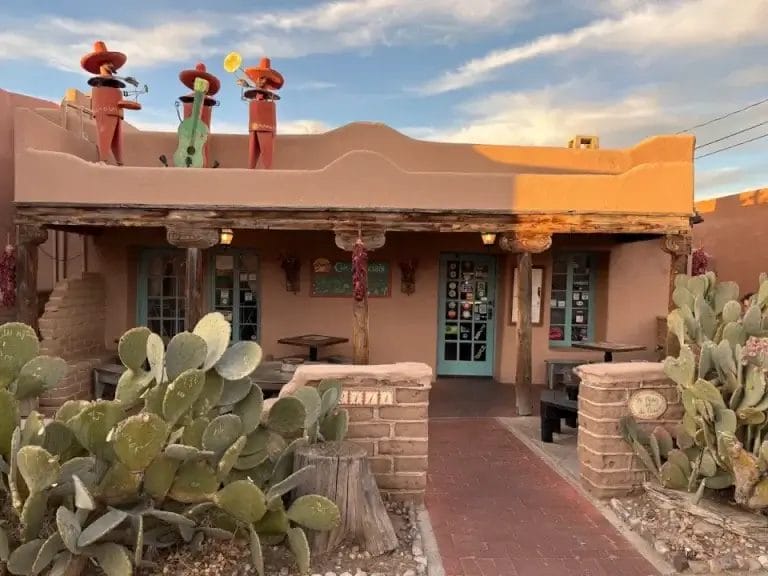
Cafe
Church Street Cafe – Haunted Cafe in Albuquerque, New Mexico
Albuquerque (New Mexico), New Mexico
The Church Street Cafe sits nestled in Albuquerque’s historic Old Town district. This charming eatery...
Explore This Location →
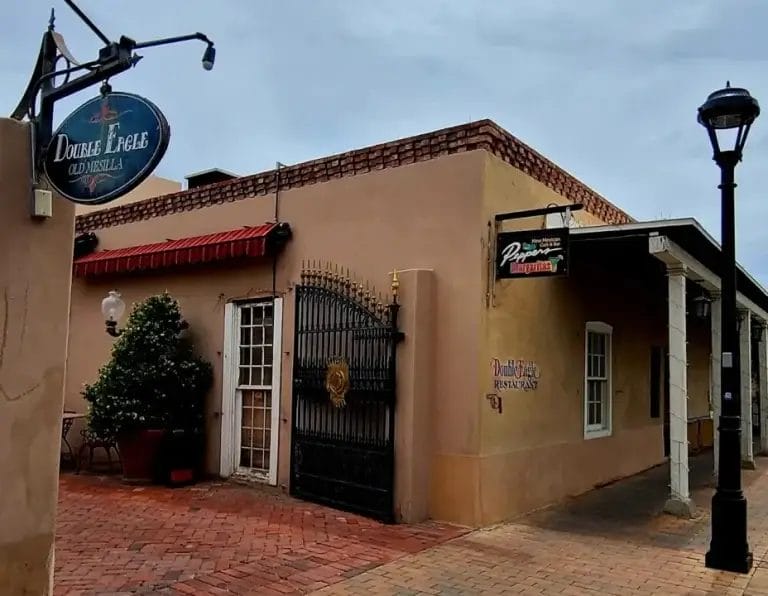
Restaurant
Double Eagle Restaurant – Haunted Restaurant in Mesilla, New Mexico
Mesilla (New Mexico), New Mexico
The Double Eagle Restaurant stands as one of the most elegant dining establishments in southern...
Explore This Location →
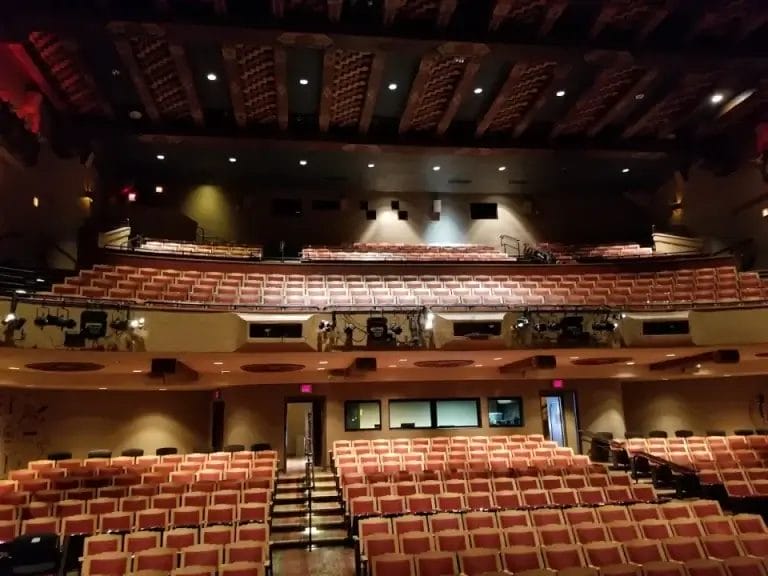
Theater
KiMo Theatre – Haunted Theater in Albuquerque, New Mexico
Albuquerque (New Mexico), New Mexico
The KiMo Theatre stands as one of Albuquerque’s most architecturally stunning landmarks. This 1927 Pueblo...
Explore This Location →
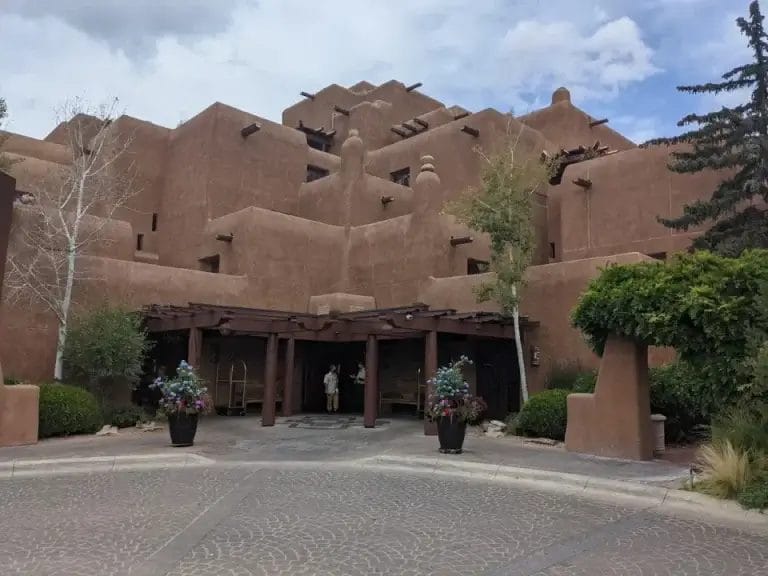
Hotel
La Fonda on the Plaza – Haunted Hotel in Santa Fe, New Mexico
Santa Fe (New Mexico), New Mexico
La Fonda on the Plaza stands as Santa Fe’s most legendary hotel and gathering place....
Explore This Location →
Hotel
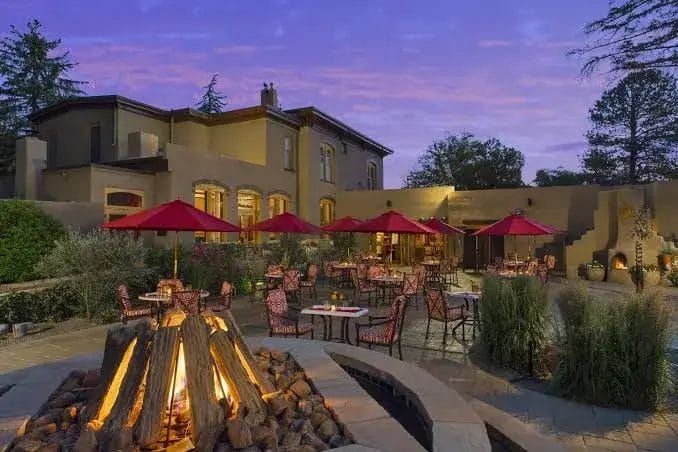
La Posada de Santa Fe – Haunted Hotel in Santa Fe, New Mexico
Santa Fe (New Mexico), New Mexico
La Posada de Santa Fe stands as one of New Mexico’s most elegant resort hotels....
Explore This Location →

Estate
Luna Mansion – Haunted Estate in Los Lunas, New Mexico
Los Lunas (New Mexico), New Mexico
Luna Mansion stands as one of New Mexico’s most enigmatic haunted locations. The sprawling estate...
Explore This Location →
Office Building
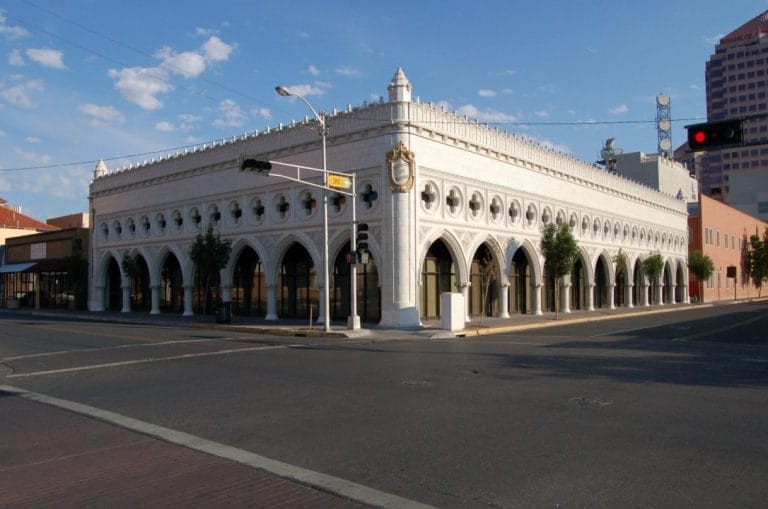
Occidental Life Building – Haunted Office Building in Albuquerque, New Mexico
Albuquerque (New Mexico), New Mexico
The Occidental Life Building towers over downtown Albuquerque as a forgotten monument to mid-century ambition....
Explore This Location →
Hotel
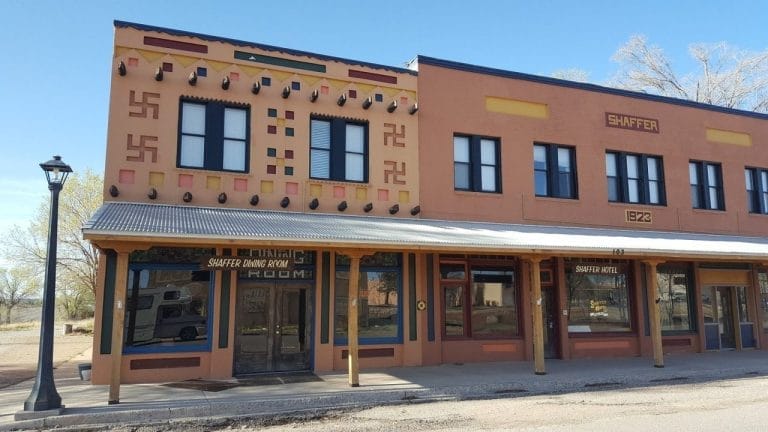
Shaffer Hotel – Haunted Hotel in Mountainair, New Mexico
Mountainair (New Mexico), New Mexico
The Shaffer Hotel stands as a weathered sentinel in the small town of Mountainair, New...
Explore This Location →
Hotel
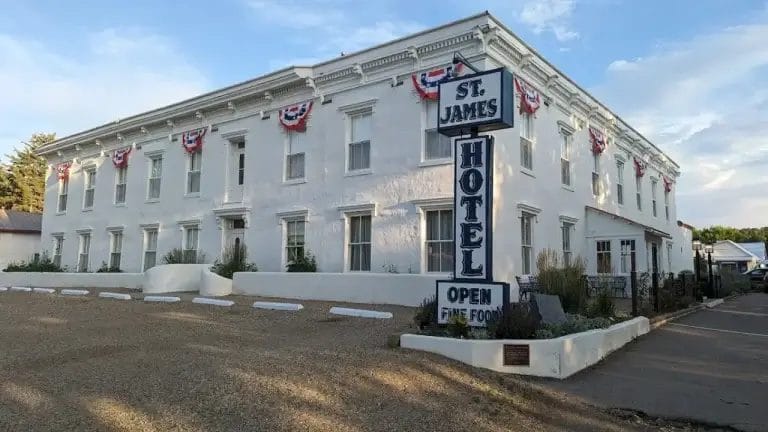
St. James Hotel – Haunted Hotel in Cimarron, New Mexico
Cimarron (New Mexico), New Mexico
The St. James Hotel stands as a testament to the Wild West’s most violent era....
Explore This Location →
Hotel
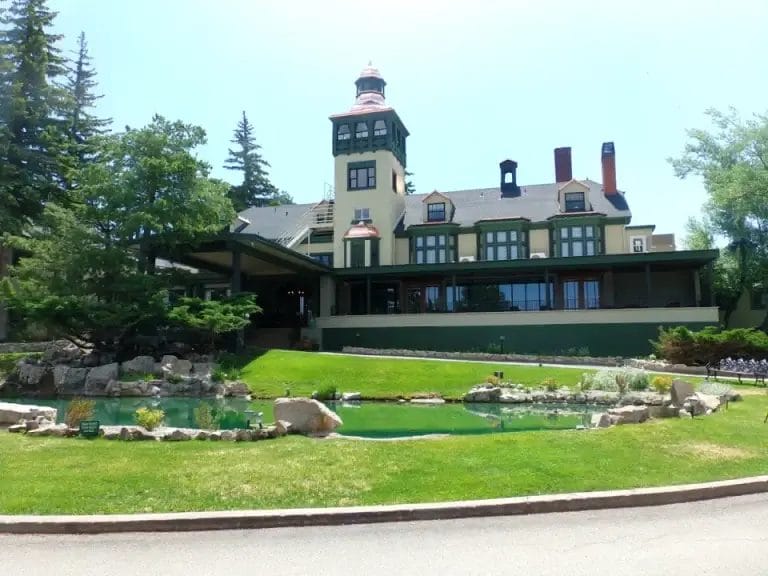
The Lodge at Cloudcroft – Haunted Hotel in Cloudcroft, New Mexico
Cloudcroft (New Mexico), New Mexico
Perched high in the Sacramento Mountains at 9,000 feet elevation sits an elegant Victorian retreat....
Explore This Location →
New Mexico’s haunted history runs as deep as its ancient roots. Long before Spanish conquistadors arrived, Native American tribes spoke of spirits wandering the mesas and canyons. Today, the Land of Enchantment lives up to its mystical name, with ghost stories echoing through centuries-old adobe walls, abandoned mining towns, and historic hotels where the past refuses to stay buried.
Whether you’re a paranormal investigator or simply curious about the supernatural side of the Southwest, New Mexico offers some of America’s most compelling haunted locations. From Santa Fe’s historic downtown to the desolate ruins of mining camps, these sites blend documented history with spine-chilling encounters that continue to this day.
La Posada de Santa Fe: Where Spirits Never Check Out
In the heart of Santa Fe stands La Posada de Santa Fe, a resort and spa built on land that once belonged to Abraham Staab, a prominent 19th-century merchant. The original Staab mansion, now incorporated into the resort, harbors one of New Mexico’s most famous ghosts: Julia Staab herself.
Julia Schuster Staab arrived in Santa Fe as a young German immigrant bride in 1865. While her husband thrived in business, Julia struggled with depression, particularly after losing her seventh child. Historical accounts suggest she became increasingly reclusive, spending her final years in isolation within the mansion’s upper floors.
The Haunting: Guests and staff report encounters with a woman in Victorian-era clothing wandering the halls, particularly near Room 256, believed to be Julia’s former bedroom. Witnesses describe her as melancholic, sometimes standing at windows or sitting in chairs before vanishing. Cold spots, unexplained footsteps, and the scent of perfume manifest without explanation. Some visitors report feeling an overwhelming sadness in certain rooms, while others claim to have seen objects move on their own.
The haunting intensified after renovations in the 1970s, leading some paranormal researchers to theorize that construction work can stir dormant spiritual energy. Staff members have reported doors locking and unlocking by themselves, lights flickering without electrical explanation, and the distinct feeling of being watched in empty corridors.
Visitor Information: La Posada welcomes guests year-round, and while they don’t officially promote the haunting, staff members are often willing to share their experiences. The most active periods reportedly occur during late evening hours. Room 256 and the Victorian Bar area see the most paranormal activity.
La Fonda on the Plaza: Four Centuries of Spirits
Since 1607, an inn has occupied the southeast corner of Santa Fe Plaza. The current La Fonda building dates to 1922, but the site’s history as a gathering place spans the entire colonial period. With such a long history of human drama—including murders, affairs, and untimely deaths—it’s no surprise that La Fonda ranks among New Mexico’s most haunted hotels.
The Haunting: La Fonda hosts multiple spirits, but the most famous is Judge John Slough, a Union Army officer and chief justice of the New Mexico Territorial Supreme Court who was shot and killed in the hotel’s lobby in 1867 during a political dispute. Guests report seeing a distinguished-looking man in 19th-century attire near the spot where he died. Some have felt sudden temperature drops or experienced an inexplicable sense of unease in that area.
The basement, which once served as a jail, produces reports of disembodied voices, footsteps, and shadow figures. Staff members working late shifts have heard conversations in empty hallways and witnessed doors opening without human intervention. One commonly reported phenomenon involves the elevator stopping at floors where no one has pressed the button, with some guests claiming they’ve shared brief rides with passengers who vanish before the doors open.
Visitor Information: La Fonda offers regular tours that sometimes touch on its haunted history. The hotel’s bar and lobby are open to the public, making it easy for paranormal enthusiasts to visit without booking a room, though staying overnight increases your chances of an encounter.
St. James Hotel: Where Outlaws Still Roam
Cimarron’s St. James Hotel opened in 1872 as a saloon and hotel along the Santa Fe Trail. During the Wild West era, it served as a watering hole for notorious characters including Jesse James, Buffalo Bill Cody, and Annie Oakley. The hotel’s violent past includes 26 documented murders, most occurring in the saloon and gambling hall. Bullet holes still mark the pressed tin ceiling as testament to the establishment’s rough-and-tumble history.
The Haunting: Room 18 stands permanently locked after decades of disturbing paranormal activity. Staff and guests who entered before it was sealed reported being physically pushed, scratched, and overwhelmed by malevolent presence. The room’s last registered guest fled in the middle of the night, refusing to discuss what happened but adamantly refusing to return.
Throughout the rest of the hotel, guests encounter the ghost of Thomas James Wright, known as T.J., who won the hotel in a poker game and was later murdered for his victory. Witnesses describe a man in cowboy attire walking the halls, and some report the smell of cigar smoke in areas where smoking hasn’t been permitted for years. Room 17 sees reports of a ghostly woman, believed to be Mary Lambert, who worked at the hotel and allegedly died in that room under mysterious circumstances.
The dining room experiences unexplained phenomena including glasses sliding across tables, chairs moving on their own, and the apparition of a small imp-like figure that staff have nicknamed “the Little Cowboy.” Several employees have quit after frightening encounters in the basement and upper floors.
Visitor Information: The St. James offers overnight stays and encourages ghost enthusiasts to visit. While you can’t enter Room 18, staff members are generally willing to share stories and point out other active areas. Evening hours tend to produce the most activity, and the bar area—original to the building—provides both historical atmosphere and alleged paranormal encounters.
The KiMo Theatre: Where a Little Boy Still Plays
Built in 1927, Albuquerque’s KiMo Theatre represents a unique architectural style blending Pueblo Revival with Art Deco elements. The name “KiMo” derives from a Tewa word meaning “mountain lion,” and the building’s design incorporates Native American symbolism throughout. In 1951, tragedy struck when a six-year-old boy named Bobby Darnall was killed in the lobby when a boiler exploded. His death would anchor one of New Mexico’s most documented hauntings.
The Haunting: Bobby’s ghost has become the theatre’s most famous resident spirit. Staff members, performers, and audience members report seeing a young boy in 1950s-era clothing watching performances from the balcony or playing in the lobby. Some witnesses describe him sitting alone in the audience during rehearsals, vanishing when approached. Others hear the sound of a child’s laughter echoing through empty corridors.
The theatre’s staff traditionally leaves donuts in the backstage area as an offering to Bobby’s spirit—a practice that began when crew members noticed donuts mysteriously disappearing or appearing moved. Many performers follow this tradition before shows, believing it brings good luck and keeps Bobby happy. Some cast members report that productions go more smoothly when they acknowledge the young ghost’s presence.
Additional phenomena include unexplained cold spots, lights malfunctioning during performances despite maintenance checks showing no electrical issues, and the sound of footsteps on the empty balcony. Several staff members refuse to work alone in the building after dark, citing an unsettling presence in certain areas.
Visitor Information: The KiMo Theatre operates as a working venue for performances, making it accessible to the public. Attending a show provides the best opportunity to visit, and some staff members offer behind-the-scenes information about Bobby’s ghost. The theatre occasionally hosts paranormal investigation events, allowing enthusiasts direct access to the most active areas.
Sanatorium Ruins at Sunmount: Echoes of Tuberculosis Patients
The Sunmount Sanatorium, established in 1903, treated tuberculosis patients during the disease’s devastating peak in America. At the time, fresh air, sunshine, and rest represented the only available treatments. Patients often spent months or years at the facility, and many never left alive. The main buildings have been demolished, but ruins remain scattered across the property, now part of a neighborhood on Santa Fe’s east side.
The Haunting: Visitors to the remaining structures report hearing coughing, labored breathing, and whispered conversations in empty buildings. Some witnesses describe seeing figures in white hospital gowns standing near windows or walking along paths that once connected different treatment buildings. Photographers frequently capture unexplained anomalies in pictures, including orbs, mists, and shadow figures that weren’t visible to the naked eye.
The most intense reports come from the old meditation garden area, where patients spent time outdoors as part of their treatment. Visitors describe overwhelming feelings of sadness and despair, sometimes accompanied by sudden difficulty breathing—mimicking the symptoms of tuberculosis itself. EMF detectors reportedly spike without explanation in certain areas, and temperature drops occur even on warm days.
Local paranormal investigators consider the site among New Mexico’s most genuinely active locations, though accessing it requires care since the property sits in a residential neighborhood. Some former sanatorium buildings have been converted to private residences, with homeowners occasionally reporting their own supernatural experiences.
Visitor Information: The sanatorium ruins are located in a residential area, so respectful behavior is essential. Public streets and paths provide views of some structures. The best time to visit is during daylight hours. Always respect private property boundaries and avoid trespassing. Some local paranormal groups occasionally organize permitted investigations—joining an official group provides the safest and most legal access.
Shaffer Hotel: Gateway to Ghostly Encounters
The Shaffer Hotel in Mountainair opened in 1923 to serve travelers along Route 66. Despite its elegant beginnings, the hotel fell into disrepair over the decades before recent restoration efforts. Throughout its history, the building witnessed numerous deaths, including murders and suicides, creating a reputation as one of New Mexico’s most actively haunted locations.
The Haunting: Multiple spirits allegedly inhabit the Shaffer Hotel. The most frequently encountered ghost is a former owner who died in the building under mysterious circumstances. Witnesses describe a man in early 20th-century business attire appearing in the hallways, sometimes seeming confused or distressed.
Room 8 experiences particularly intense activity. Guests report beds shaking violently in the middle of the night, objects moving across surfaces, and the sensation of invisible hands touching them. Some visitors have fled the room in terror, refusing to return even to collect their belongings. Cold spots manifest without explanation, and electronic devices frequently malfunction or drain completely within minutes.
The basement generates reports of shadow figures darting between support columns and the overwhelming feeling of being watched. Staff members working in storage areas describe hearing their names called when they’re alone in the building. The dining room sees apparitions of guests from earlier eras sitting at tables, sometimes appearing so solid that living visitors mistake them for fellow guests before they vanish.
Paranormal investigators have documented EVP (electronic voice phenomena) recordings at the Shaffer, capturing what they interpret as responses to questions and statements from the era when the hotel was in its prime. Some recordings allegedly include children’s voices, though the hotel’s history doesn’t clearly document children dying on the property.
Visitor Information: The Shaffer Hotel has been closed and reopened multiple times due to various restoration projects. Check current status before planning a visit. When open, it offers overnight accommodations for brave souls wanting a firsthand paranormal experience. The hotel has embraced its haunted reputation and sometimes hosts paranormal investigation events.
Loretto Chapel: The Miraculous Staircase and Its Mysteries
The Loretto Chapel in Santa Fe, built between 1873 and 1878, stands as an architectural marvel independent of its paranormal reputation. The chapel’s famous spiral staircase defied 19th-century engineering principles—built without central support and using wooden pegs instead of nails. According to legend, a mysterious carpenter appeared, built the staircase in response to the nuns’ prayers, then disappeared without accepting payment or revealing his identity. Some believe he was Saint Joseph himself, patron saint of carpenters.
The Haunting: While the miraculous staircase draws tourists for its architectural wonder, visitors and staff report supernatural encounters throughout the chapel. People describe seeing a nun in traditional habit kneeling in prayer near the altar, vanishing when approached. The apparition appears so lifelike that witnesses often assume she’s a costumed employee before realizing the chapel doesn’t employ such staff.
The choir loft produces sounds of singing when the chapel is empty and locked. Security personnel checking the building after hours report hearing full hymns echoing through the space, only to find no one present. Some visitors experience sudden emotional responses—feeling overwhelmed with peace, sudden tears, or inexplicable joy while sitting in the pews.
Photographs taken in the chapel sometimes reveal anomalies including orbs, light streaks, and misty shapes near the staircase and altar. Temperature fluctuations occur without explanation, particularly near the spiral staircase itself. Some paranormal researchers theorize that the mysterious carpenter’s identity and unexplained departure left spiritual energy imprinted on the space.
Visitor Information: The Loretto Chapel operates as a museum and private event space. Visitors can tour the chapel during business hours for a small admission fee. The combination of architectural wonder and potential paranormal activity makes it a must-visit location for both history buffs and ghost hunters. Photography is permitted, allowing you to capture potential evidence of supernatural activity.
Dawson Cemetery: Monument to Mining Disaster Victims
Dawson was a thriving coal mining town in northeastern New Mexico until two catastrophic mining disasters claimed hundreds of lives. In 1913, an explosion killed 263 miners; just ten years later, another explosion killed 120 more. The town never recovered from these tragedies and was eventually abandoned. Today, only the cemetery remains, with rows of white iron crosses marking the graves of miners who died in both disasters.
The Haunting: Visitors to Dawson Cemetery report overwhelming feelings of sadness and the distinct sensation of being watched. The most commonly reported phenomenon involves hearing the sound of men’s voices speaking in various languages—reflecting the diverse immigrant workforce that populated the mining camp. Some witnesses claim to hear coughing and sounds consistent with people struggling to breathe, echoing the final moments of the miners trapped underground.
Photographers frequently capture unexplained anomalies in pictures taken at the cemetery, including orbs clustering around specific graves and shadowy figures standing among the crosses. Several visitors report their cameras or electronic equipment malfunctioning while at the site, only to work perfectly once they leave. Some describe sudden temperature drops even on warm days, accompanied by an inexplicable sense of dread.
The most disturbing reports involve visitors experiencing physical sensations—sudden difficulty breathing, chest tightness, and choking feelings that vanish as soon as they leave the cemetery grounds. Paranormal researchers interpret these experiences as residual hauntings, where traumatic events imprint themselves on a location, replaying like a recording.
Visitor Information: Dawson Cemetery is located on private land but is generally accessible to respectful visitors. The site is remote, requiring a drive on unpaved roads. Bring GPS coordinates or detailed directions, as cell service is unreliable in the area. Spring through fall offers the best weather for visiting. Always show respect—this is a genuine memorial to hundreds of men who died tragically. Many visitors leave coins or small tokens at grave markers as a sign of respect.
The Luna Mansion: Tragedy and Unfinished Business
The Luna Mansion in Los Lunas was built in 1881 by Don Antonio Jose Luna, a prominent merchant and businessman. The Victorian-style home served as the Luna family residence for decades, witnessing both prosperity and tragedy. In 1892, Don Luna’s wife, Josefa, was murdered in the home under circumstances that remain controversial. Some historical accounts suggest a romantic dispute; others point to a mentally disturbed relative. The unsolved nature of her death may contribute to the mansion’s reputation for paranormal activity.
The Haunting: Josefa’s ghost reportedly wanders the Luna Mansion, particularly in areas that were once her private quarters. Visitors describe seeing a woman in a long Victorian dress walking the upstairs hallway or standing at windows, gazing out at the grounds. Some witnesses report the strong scent of roses—Josefa’s favorite flower—appearing suddenly in rooms with no flowers present.
The room where Josefa died experiences the most intense activity. People report sudden temperature drops, the sensation of being touched by invisible hands, and an overwhelming feeling of sadness. Some visitors have reported hearing a woman crying softly or calling out a name. Electronic devices frequently malfunction in this room, and photographs often show unexplained orbs or light anomalies.
Other spirits may inhabit the mansion as well. Some witnesses report seeing a distinguished gentleman in period clothing—possibly Don Luna himself—in the library and main parlor. Shadow figures dart through hallways, and footsteps echo through empty rooms. The mansion’s long history and multiple generations of residents create layers of potential paranormal activity.
Visitor Information: The Luna Mansion serves as a museum and special events venue. Public tours are available, though hours vary by season. The staff is knowledgeable about the building’s history and sometimes share ghost stories with interested visitors. Photography is generally permitted during tours. Special paranormal investigation events are occasionally offered, providing after-hours access to the most active areas.
Planning Your Paranormal Investigation in New Mexico
Best Times to Visit: Many paranormal investigators believe supernatural activity increases during certain conditions. Late evening and early morning hours (10 PM to 4 AM) are considered optimal for investigations. Some researchers report increased activity during full moons, though this remains debated within the paranormal community. New Mexico’s cooler months (October through March) offer comfortable conditions for nighttime investigations, though some locations are more accessible during warmer seasons.
What to Bring: Serious paranormal investigators should consider packing EMF (electromagnetic field) detectors, digital thermometers, full-spectrum cameras, audio recorders for capturing EVPs, and extra batteries (spirits allegedly drain power sources). For casual visitors, a smartphone with camera and voice recording capabilities provides basic documentation tools. Flashlights, comfortable walking shoes, and weather-appropriate clothing are essential. Always bring water and snacks, especially when visiting remote locations.
Respectful Investigation: Remember that many haunted sites are active businesses, private property, or memorial locations. Always obtain permission before investigating, respect posted hours and rules, and never trespass. When visiting cemeteries or disaster sites, show appropriate reverence—these locations mark real tragedies and honor genuine victims. Leave no trace of your visit, and never remove objects as “souvenirs,” which many believe can invite negative spiritual attachments.
Safety Considerations: New Mexico’s remote locations pose practical dangers beyond the paranormal. Desert areas can be extremely hot during the day and surprisingly cold at night. Remote sites may lack cell phone coverage. Always tell someone your plans and expected return time. Visit abandoned buildings with extreme caution—structural hazards, unstable floors, and dangerous debris pose real threats. Consider investigating in groups rather than alone for both safety and witness corroboration.
Connecting with Local Investigators: New Mexico has active paranormal investigation groups that welcome newcomers. Joining an established group provides access to experienced investigators, specialized equipment, and locations that require special permission. Many groups offer training in proper investigation techniques and evidence documentation. This connection also helps separate legitimate paranormal interest from sensationalism or disrespectful “ghost hunting.”
Understanding New Mexico’s Haunted History
New Mexico’s paranormal activity draws from multiple cultural and historical sources. Native American beliefs in spirits and the connection between living and dead create a foundation that predates European arrival. Spanish colonization brought Catholic traditions, including beliefs about purgatory, spirits seeking prayers, and the importance of proper burial rites. The violent frontier era, mining disasters, tuberculosis epidemics, and isolation of early settlements all contributed to sudden deaths and unfinished business—conditions paranormal researchers associate with hauntings.
The state’s unique geology may also play a role. Some researchers theorize that areas with high quartz content or specific mineral compositions might somehow record or transmit psychic impressions. New Mexico’s position along ancient fault lines and its volcanic history create electromagnetic fields that some believe facilitate paranormal activity or make people more sensitive to it.
Whether you approach New Mexico’s haunted locations as a believer, skeptic, or curious explorer, these sites offer compelling combinations of documented history and unexplained phenomena. Each location tells stories of real people whose lives, tragedies, and unfinished business created legends that persist long after their deaths. In New Mexico’s thin air and vast spaces, the boundary between past and present seems particularly permeable—making it the perfect destination for anyone seeking encounters with the supernatural.
Explore America’s Most Haunted Places by State
Discover spine-chilling locations, paranormal hotspots, and supernatural encounters across all 50 states. Click any state to begin your journey into the unknown.