
Whitestone Hill Battlefield – Haunted Battlefield in Kulm, North Dakota
Home > Haunted Places > State >
> Whitestone Hill Battlefield – Haunted Battlefield in Kulm, North Dakota

City:
State:
Full Address: Whitestone Hill Battlefield State Historic Site, 12375 56th Street SE, Kulm, ND 58456
Check In Google Map
Have you visited this place? Rate Your Experience!
The windswept prairies of southeastern North Dakota hold a dark secret that few Americans know. Whitestone Hill Battlefield stands as a silent testament to one of the most devastating conflicts between Native Americans and the U.S. Army. This desolate landscape witnessed unspeakable tragedy on September 3, 1863, when as many as 300 Native people were killed or wounded. The blood-soaked earth has never forgotten that terrible day, and many believe the spirits remain trapped here.
Visitors to this remote battlefield often report overwhelming feelings of sadness and despair. The wind carries sounds that shouldn’t exist in this empty place. Objects move without explanation, and shadowy figures appear where no living person stands. Something deeply unsettled lingers across these rolling hills, refusing to rest peacefully.
Local residents have known about the strange occurrences here for generations. Even hardened skeptics leave Whitestone Hill with changed perspectives about the supernatural. The battlefield has earned its reputation as one of North Dakota’s most haunted locations. Those who visit at dawn or dusk often experience the most intense paranormal activity.
Historical Background
The Whitestone Hill Battlefield became a killing ground in September 1863, during the U.S. Army punitive campaign that followed the 1862 Dakota War. Brigadier General Alfred Sully led approximately 2,400 U.S. troops into the area hunting for Lakota warriors. On September 3, 1863, his forces discovered a peaceful encampment of Dakota and Lakota people. The inhabitants were primarily elderly men, women, and children who had no involvement in previous conflicts.
Sully ordered an immediate attack despite the non-combatant nature of the camp. The battle lasted several hours as Native Americans fled desperately across the hills. Over 150 Lakota people were killed outright, with another 156 taken prisoner. Soldiers destroyed 300 lodges and killed hundreds of horses, leaving survivors to face winter without shelter.
The wounded who escaped later died from their injuries in the harsh prairie environment. Families were torn apart as children became separated from parents during the chaos. Many bodies were never properly buried, left exposed to the elements where they fell. The U.S. Army considered the massacre a great victory, but historians now recognize it as genocide.
A monument was erected at the site in 1909 to commemorate the battle. The battlefield became a state historic site in 1931, preserving 320 acres of the original conflict area. Archaeological excavations throughout the 20th century uncovered bullets, arrowheads, and human remains. Each discovery seemed to intensify the paranormal activity reported by visitors and park rangers.
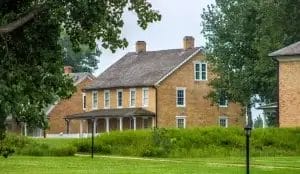
The site includes a small museum and interpretive center built in the 1960s. Park officials have documented strange occurrences since the facility first opened its doors. Security systems malfunction without technical explanation, and motion sensors trigger when nobody is present. The building itself seems to amplify the spiritual energy radiating from the surrounding battlefield.
Ghost Tours in Kulm area
Book a highly-rated ghost tour or paranormal experience with a local guide.
See Ghost Tours in Kulm area →Paranormal Activity Summary
Cold spots appear randomly across the battlefield even during hot summer days. Visitors suddenly feel freezing temperatures drop around them without any weather explanation. These icy zones often move slowly across the prairie, following the paths the fleeing Lakota took. Some people report the cold penetrates so deeply that their bones ache for hours afterward.
Disembodied voices speaking in the Lakota language echo across the hills at dawn. The words sound anguished, calling out names and crying for help that never came. Park rangers have recorded these voices on numerous occasions, capturing clear audio of languages they don’t speak. Linguistic experts who analyzed the recordings confirmed they contain authentic Lakota phrases and death songs.
Shadow figures frequently appear near the monument and throughout the battlefield grounds. Witnesses describe seeing groups of people moving rapidly across the landscape before vanishing instantly. These apparitions wear traditional Native American clothing from the 1860s period. The figures seem unaware of modern observers, locked in their eternal escape attempt.
Electronic devices malfunction consistently at Whitestone Hill, particularly cameras and recording equipment. Batteries drain completely within minutes even when fully charged before arrival. Compasses spin wildly and GPS devices provide impossible coordinates placing visitors thousands of miles away. Some visitors report their car engines dying mysteriously when parked near the monument area.
Physical sensations overwhelm sensitive individuals who walk the battlefield trails. Many people experience sudden nausea, dizziness, and crushing chest pressure without medical cause. Others report feeling invisible hands pushing or pulling them in specific directions. Several visitors have collapsed from overwhelming emotional distress despite having no personal connection to the events.
By the way, have you visited this haunted place in North Dakota State? San Haven Sanatorium – Haunted Tuberculosis Hospital in Dunseith, North Dakota
Ghost Stories & Reports
The ghost of a young Lakota mother appears most frequently near the ravine area. She wears a traditional deerskin dress stained with what appears to be blood. Witnesses report she carries an empty cradleboard and searches frantically through the tall grass. Her mouth moves as if calling out, but no sound emerges from her translucent form.
Multiple visitors have reported encountering this spirit during late afternoon hours. She approaches people as if pleading for help, her eyes filled with desperate sorrow. When witnesses attempt to speak to her, she simply fades away like morning mist. Park staff believe she searches eternally for the child she lost during the massacre.
An elderly Lakota man’s spirit walks the perimeter of the former encampment site. He appears solid enough to cast shadows in bright sunlight before disappearing completely. This ghost wears ceremonial dress including an elaborate feathered headdress and beaded vest. His expression shows profound sadness rather than anger or malevolence toward modern visitors.
Witnesses report this spirit often stands motionless for long periods, surveying the battlefield landscape. He seems to be mourning, observing what became of his people and their land. Several Lakota visitors have recognized him from tribal histories as potentially being Chief Big Head. Big Head survived the initial attack but died later from his wounds and grief.
The sounds of battle replay across the hills during anniversary dates near September 3rd. Visitors hear gunfire, screaming, horses neighing in terror, and drums beating frantically. These phantom sounds continue for hours, creating an immersive experience of the original massacre. Some people report smelling gunpowder smoke despite no fires burning anywhere in the area.
A group of children’s spirits appears most commonly near the creek bottom area. They manifest as translucent figures playing traditional games before suddenly looking terrified and running. Their laughter turns to screams that fade into the wind abruptly. Witnesses describe feeling heartbroken watching these innocent spirits relive their final moments repeatedly.
Phantom horses gallop across the battlefield at night, their hoofbeats clearly audible. The ghostly animals appear as dark shapes moving impossibly fast across the prairie grass. These horses were killed by the hundreds during the battle to prevent survivors from escaping. Their spirits seem as restless as the human souls trapped at Whitestone Hill.
A U.S. soldier’s ghost also haunts the battlefield, though far less frequently than Native American spirits. He appears near the monument wearing Union Army cavalry uniform from the 1860s. His expression shows horror and regret rather than the pride of victory. Some witnesses report he seems to be apologizing, mouthing words of remorse silently.
Planning to Investigate This Location?
Make sure you have the right ghost hunting equipment
View Equipment Guide →Speaking of haunted places, don’t forget to also check this place in North Dakota State? Fort Abraham Lincoln – Haunted Fort in Mandan, North Dakota
Most Haunted Spot
The ravine area where many Lakota people were cornered and killed remains the most paranormally active location. Visitors consistently report overwhelming negative feelings and physical sensations when entering this depression. The ground itself seems to radiate pain and suffering that soaked into the earth. Almost everyone who walks through the ravine experiences unexplained phenomena of some kind.
Apparitions appear most frequently in this concentrated killing zone where bodies fell thick. The air feels heavy and oppressive regardless of weather conditions or time of day. Many people refuse to enter the ravine after sensing the intense spiritual energy. Those who do often leave running, unable to tolerate the psychological weight.
The monument area also generates significant paranormal activity, particularly during twilight hours. Shadow figures gather around the memorial as if reading the inscriptions about their deaths. Recording equipment captures the most EVPs when placed near the monument overnight. Rangers avoid this area after dark due to unsettling experiences that have left several employees shaken.
The paranormal doesn’t stop here—this haunted place might also interest you in North Dakota State? Chateau de Mores – Haunted Mansion in Medora, North Dakota
Can You Visit?
Whitestone Hill Battlefield State Historic Site is open to the public year-round. Access to the grounds is completely free with no admission charges. The interpretive center operates seasonally from May through September with limited winter hours. Visitors can explore the battlefield trails and monument area independently during daylight hours.
Guided historical tours are available during summer months on weekend afternoons. These tours focus on historical facts rather than paranormal elements. Photography is fully permitted throughout the site including inside the interpretive center. Rangers request visitors show respect given the sacred and tragic nature of the location.
The park officially closes at sunset, though enforcement is minimal given the remote location. Overnight visits are technically prohibited without special permission from the state historical society. Paranormal investigation groups have occasionally received authorization for after-hours access. All visitors must stay on designated trails to protect archaeological resources and burial areas.
Best Time to Visit
September 3rd and the surrounding week generate the most intense paranormal activity annually. The massacre anniversary seems to strengthen spiritual manifestations across the entire battlefield. Many ghost hunters schedule visits during this period specifically for heightened encounter possibilities. However, these dates also attract larger crowds that may interfere with investigation work.
Dawn hours between 5:00 and 7:00 AM produce frequent apparition sightings and phantom sounds. The early morning mist seems to facilitate spirit manifestations throughout the grounds. Dusk hours from 7:00 to 9:00 PM also generate significant activity levels. Late night hours between midnight and 3:00 AM would likely be most active, though overnight access is restricted.
First-Hand Accounts & Eyewitness Reports
A park ranger named Michael Henderson reported a disturbing encounter in July 2015. He was closing the interpretive center alone when he heard children laughing outside. When he investigated, he saw approximately fifteen translucent children playing near the creek. They vanished the instant he called out to them, leaving him shaking.
Henderson submitted an official incident report that remains in park records today. He described the children as wearing traditional Lakota clothing in remarkable detail. The experience was so intense that he requested daytime-only shift assignments afterward. Several other rangers have confirmed similar experiences but refused to be named publicly.
Tourist Sarah Chen from California visited in September 2018 with her husband. She photographed the monument and later discovered a woman’s face clearly visible in the image. The face appeared translucent and overlay the stone memorial’s surface impossibly. Chen submitted the unedited photograph to paranormal researchers who confirmed no digital manipulation.
Local farmer Robert Larson owns property adjacent to the battlefield boundaries. He reports hearing battle sounds drift across his fields multiple times each summer. His livestock refuses to graze in areas nearest the historic site regardless of grass quality. Larson’s grandfather told him stories about similar experiences dating back to the 1920s.
Paranormal investigator team Dakota Haunts spent three nights at the site in 2019. They captured over forty EVPs containing Lakota language phrases and distressed voices. Their thermal cameras recorded multiple human-shaped cold spots moving independently across the battlefield. The team’s full report concluded Whitestone Hill shows “exceptional paranormal activity consistent with mass trauma events.”
Local Legends & Myths
Local Native American communities maintain that Whitestone Hill is cursed ground where the spirits cannot rest. Lakota elders perform annual ceremonies attempting to help these souls find peace. Traditional beliefs hold that violent death traps spirits at their death location. The massacre’s brutality created especially powerful spiritual disturbances that resist normal cleansing rituals.
Some regional folklore claims that anyone who disrespects the battlefield will experience bad luck. Several documented cases exist of vandals suffering accidents shortly after damaging the site. One person who spray-painted the monument in 2003 died in a car crash three days later. While likely coincidental, locals view such incidents as spiritual justice for disturbing the dead.
A persistent legend describes a ghostly drum circle that manifests on September 3rd each year. Witnesses report hearing traditional Lakota death songs carried on the wind at midnight. Some claim to see a circle of translucent figures dancing around an invisible fire. However, approaching the circle causes it to dissipate immediately according to those who tried.
Paranormal Investigations & Findings
The site has attracted numerous paranormal investigation teams from across the United States. Most groups report significant evidence collection including EVPs, temperature anomalies, and photographic anomalies. Equipment malfunctions occur so regularly that experienced investigators bring backup devices specifically for Whitestone Hill visits. The consistent positive results make this location highly respected among serious ghost hunting communities.
In 2017, a documentary crew filming for a regional history project captured unexplained footage. Their cameras recorded shadow figures moving through the ravine during daytime filming. Audio equipment picked up voices speaking Lakota despite no Native American individuals being present. The footage aired on North Dakota public television and generated significant viewer interest.
EMF meters consistently register unusual electromagnetic fluctuations throughout the battlefield with no identifiable source. These readings spike dramatically near the monument and ravine areas. Investigators note the patterns don’t match natural electromagnetic phenomena or man-made sources. Some researchers theorize the traumatic events created permanent energetic disturbances in the location itself.
Safety Warnings & Legal Restrictions
Visitors must respect that Whitestone Hill is both a historic site and sacred ground. Removing any artifacts, even small stones, is strictly prohibited under federal and state law. The park contains unmarked burial locations that must not be disturbed. Archaeological theft carries severe criminal penalties including substantial fines and potential jail time.
The terrain presents physical challenges including uneven ground, prairie dog holes, and seasonal mud. Rattlesnakes inhabit the area during warm months requiring constant awareness on trails. Weather can change rapidly on the open prairie, making appropriate clothing essential. Cell phone service is extremely limited, so visitors should prepare for emergency self-sufficiency.
Winter visits pose additional dangers from ice, snow, and bitter cold temperatures. The remote location means emergency services require extended response times reaching the battlefield. Visitors should inform someone of their plans before visiting this isolated site. Park officials recommend never visiting alone, especially during early morning or evening hours.
Nearby Haunted Places



Visitor Reports (0)
No experiences shared yet. Be the first!
Community Experiences
Share your paranormal encounters, photos, and rate this location
Login to Share Your Experience
Sign in to upload photos, write comments, and rate this location
More Ghost Tours & Haunted Experiences
Browse top-rated paranormal adventures. Secure booking through Viator.