
📍 Map of Haunted Places in South Carolina
Explore all 10 haunted locations across South Carolina. Click any pin to view details.

Cemetery
Alice Flagg’s Grave – Haunted Cemetery in Murrells Inlet, South Carolina
Murrells Inlet (South Carolina), South Carolina
All Saints Cemetery in Murrells Inlet holds one of South Carolina’s most romantic and tragic...
Explore This Location →
Plantation
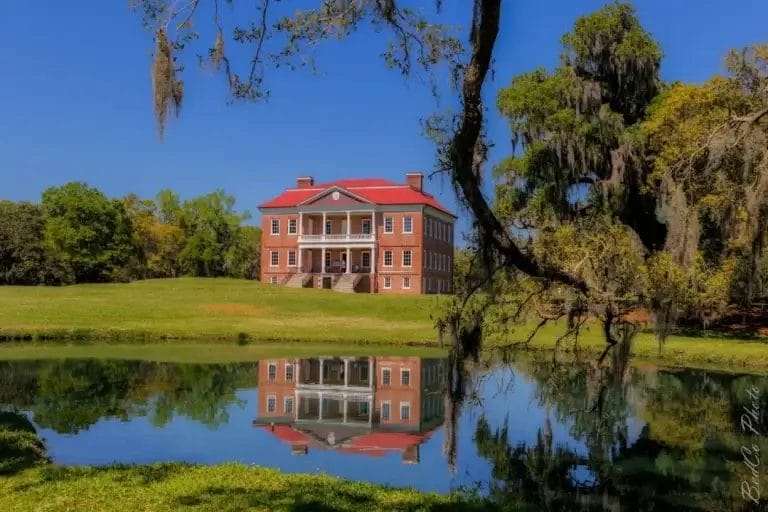
Drayton Hall – Haunted Plantation in Charleston, South Carolina
Charleston (South Carolina), South Carolina
Drayton Hall stands as one of America’s oldest unrestored plantation houses. The Georgian-Palladian mansion has...
Explore This Location →
Mansion
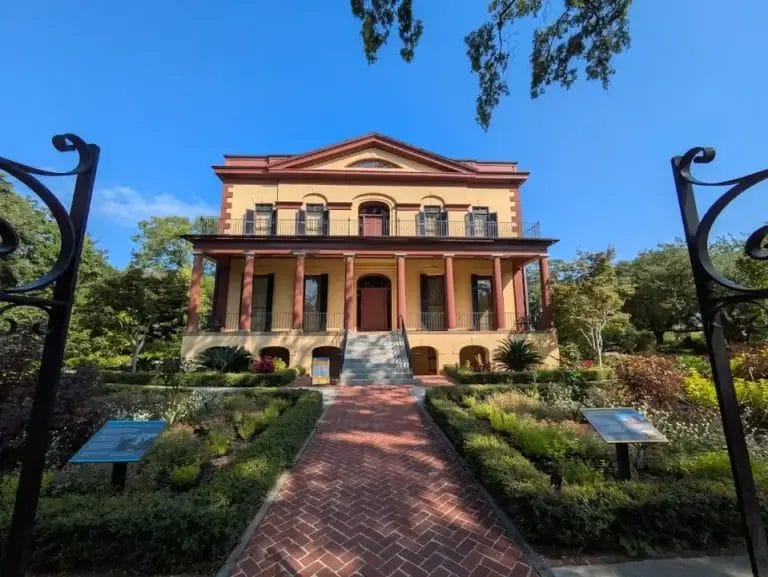
Hampton-Preston Mansion – Haunted Mansion in Columbia, South Carolina
Columbia (South Carolina), South Carolina
The Hampton-Preston Mansion stands as one of Columbia’s most elegant antebellum homes. Its grand columns...
Explore This Location →
Plantation
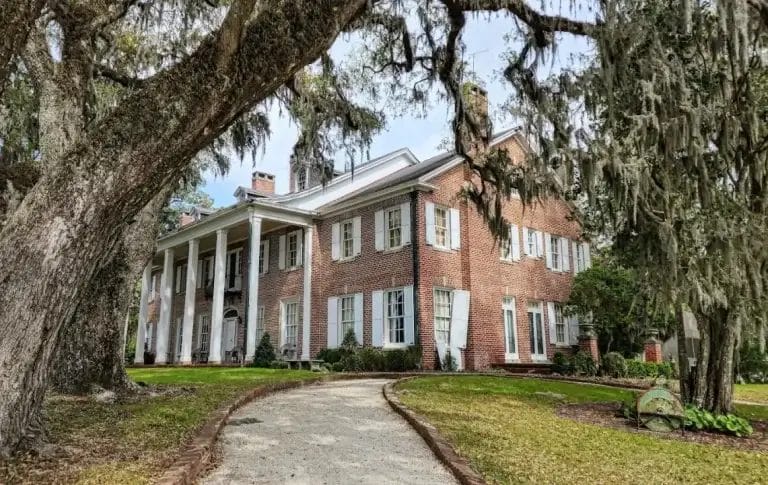
Hobcaw Barony – Haunted Plantation in Georgetown, South Carolina
Georgetown (South Carolina), South Carolina
Nestled along the pristine shores of Winyah Bay sits Hobcaw Barony, a sprawling 16,000-acre estate...
Explore This Location →
Plantation
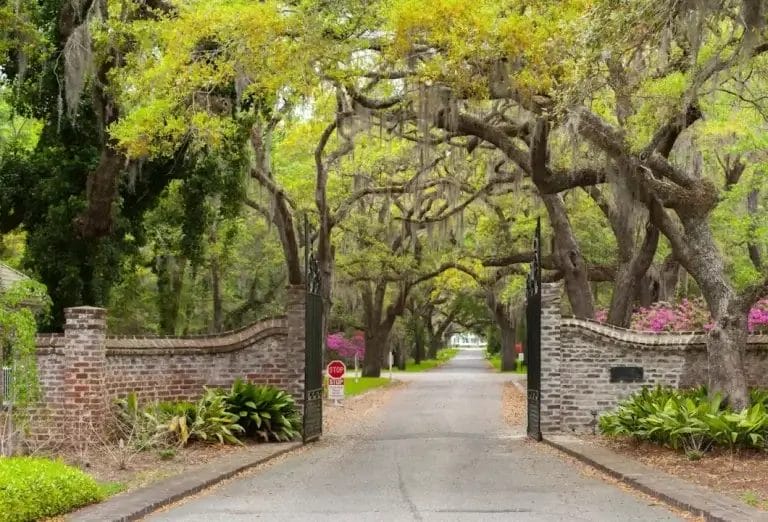
Litchfield Plantation – Haunted Plantation in Pawleys Island, South Carolina
Pawleys Island (South Carolina), South Carolina
Litchfield Plantation stands as one of South Carolina’s most elegantly preserved antebellum estates. The property...
Explore This Location →
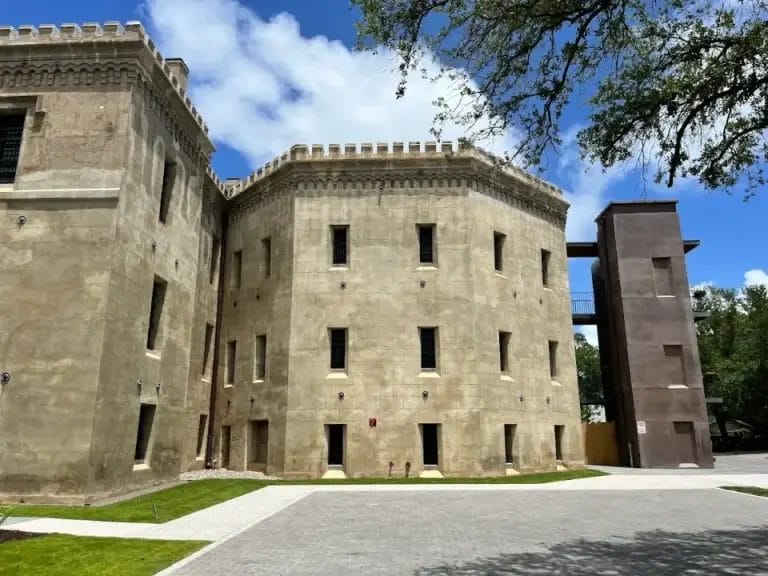
Prison
Old City Jail – Haunted Prison in Charleston, South Carolina
Charleston (South Carolina), South Carolina
Charleston’s Old City Jail stands as one of the most haunted locations in America. The...
Explore This Location →
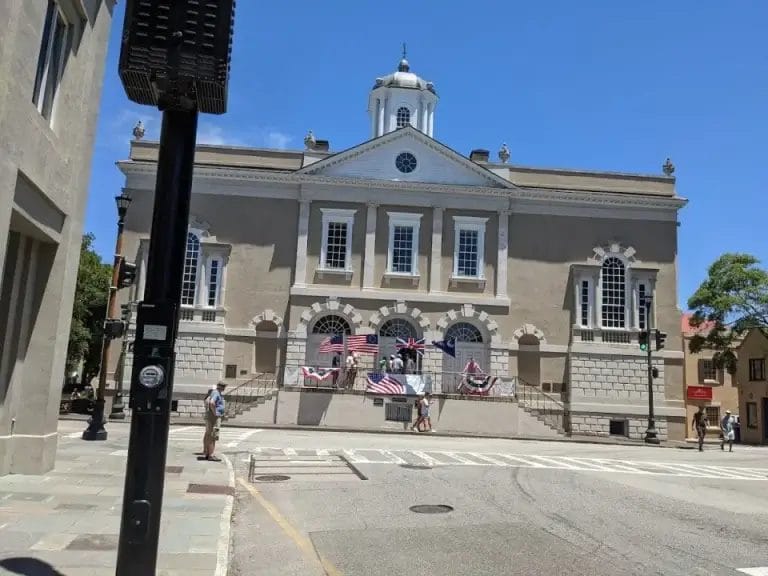
Historic Building
Old Exchange and Provost Dungeon – Haunted Historic Building in Charleston, South Carolina
Charleston (South Carolina), South Carolina
The Old Exchange and Provost Dungeon stands as one of Charleston’s most historically significant buildings....
Explore This Location →
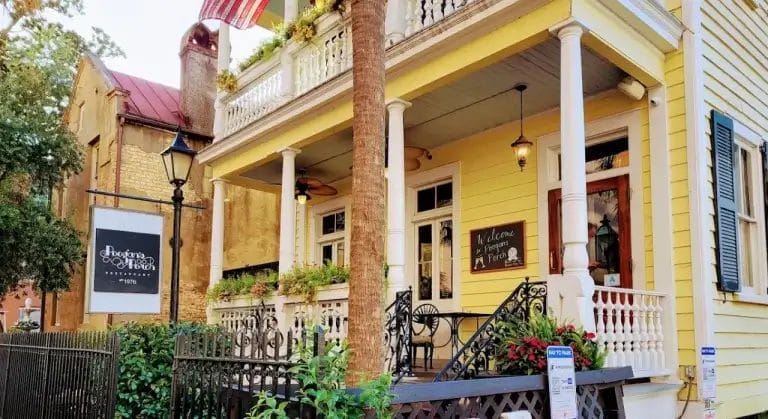
Restaurant
Poogan’s Porch – Haunted Restaurant in Charleston, South Carolina
Charleston (South Carolina), South Carolina
Poogan’s Porch stands as one of Charleston’s most beloved dining establishments. The restaurant also claims...
Explore This Location →

Cemetery
St. Philip’s Church Graveyard – Haunted Cemetery in Charleston, South Carolina
Charleston (South Carolina), South Carolina
Charleston’s oldest surviving graveyard holds centuries of secrets within its iron-gated walls. St. Philip’s Church...
Explore This Location →
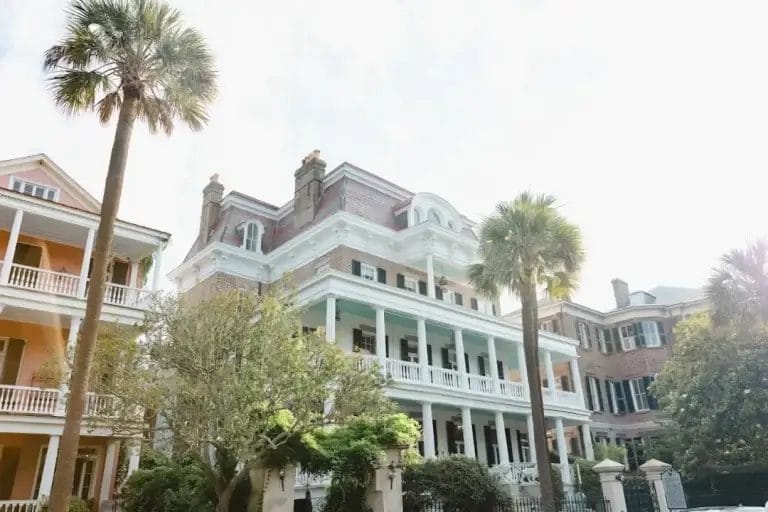
Inn
The Battery Carriage House Inn – Haunted Inn in Charleston, South Carolina
Charleston (South Carolina), South Carolina
Charleston’s historic district holds countless secrets within its antebellum architecture. The Battery Carriage House Inn...
Explore This Location →
South Carolina’s haunted reputation stretches back centuries, woven into the fabric of antebellum mansions, Revolutionary War battlefields, and coastal plantations where history refuses to rest. The Palmetto State’s ghostly legacy encompasses tragic love stories, violent conflicts, devastating natural disasters, and the lingering presence of those who lived, suffered, and died on this historic soil.
From Charleston’s elegant historic district to the Lowcountry’s moss-draped plantations, South Carolina offers paranormal enthusiasts some of the most compelling haunted locations in the American South. These aren’t just ghost stories passed down through generations—they’re encounters that continue to this day, documented by countless witnesses who’ve experienced the unexplainable in places where the past feels remarkably present.
The Battery Carriage House Inn: Charleston’s Most Haunted Hotel
Located in Charleston’s prestigious Battery district, this elegant 1843 inn occupies a building with a dark and complicated history. The structure served various purposes over the decades, including a time when the carriage house allegedly functioned as a gentlemen’s club where a tragic event would forever mark the property. According to local legend, a young man was tormented and eventually hanged by his peers during a hazing ritual gone horribly wrong. His restless spirit reportedly remains, along with several other entities from the building’s long past.
The Haunting: Room 8 and Room 10 experience the most intense paranormal activity. Guests report being physically touched by invisible hands, feeling pressure on their chests while sleeping, and waking to see shadowy figures standing at the foot of their beds. Some visitors describe a malevolent presence that seems intent on frightening people away, while others sense multiple spirits with different temperaments throughout the building.
The “Gentleman Ghost” appears throughout the inn, described as a well-dressed man in period clothing who walks through walls and vanishes when approached. Guests staying in the carriage house report hearing footsteps pacing overhead when no one occupies the upper floors, doors opening and closing by themselves, and the distinct sound of chains rattling—possibly echoing the young man’s tragic death.
Room 3 harbors the spirit of a headless torso, according to numerous guest reports. Witnesses describe waking to see a partial apparition floating near the ceiling or feeling an oppressive presence that makes breathing difficult. The phenomenon is so well-documented that the inn openly acknowledges the haunting, and some guests specifically request these rooms hoping for a paranormal encounter.
Staff members report electronic disturbances, including lights flickering without electrical cause, televisions turning on and off randomly, and alarm clocks resetting themselves. The smell of cigar smoke manifests in non-smoking areas, and some employees refuse to enter certain rooms alone after repeated unsettling experiences.
Visitor Information: The Battery Carriage House Inn welcomes guests year-round and openly acknowledges its haunted reputation. Staff members are generally willing to share experiences with interested visitors. Book well in advance if you want to stay in the most active rooms, as paranormal enthusiasts frequently request them. The inn offers elegant accommodations combined with a genuine chance at a supernatural encounter, making it a favorite among ghost hunters visiting Charleston.
The Old Charleston Jail: Where Suffering Left Its Mark
Built in 1802, the Old Charleston Jail housed some of South Carolina’s most notorious criminals for over a century. The facility witnessed countless executions, including hangings in the octagonal tower that still dominates the structure. Among the jail’s infamous inmates were Lavinia Fisher and her husband John, often called America’s first female serial killer, who were both hanged on the property in 1820. The jail also held Confederate soldiers during the Civil War, Union prisoners, and convicted pirates before closing in 1939.
The Haunting: The Old Jail ranks among South Carolina’s most paranormally active locations, with documented encounters spanning decades. Lavinia Fisher’s ghost reportedly appears throughout the building, particularly near the area where she was executed. Witnesses describe a woman in a white dress—the gown Lavinia allegedly wore to her hanging—who appears angry and agitated. Some visitors report hearing her screaming “Die! Die!” echoing through empty corridors, words she supposedly shouted at the judge who sentenced her.
The second-floor jail cells produce reports of shadow figures moving between bars, disembodied voices speaking in various languages, and the sounds of chains dragging across stone floors. Paranormal investigators consistently record EVP (electronic voice phenomena) responses to questions, including what sound like pleas for help and angry demands to leave.
The hanging tower generates the most intense experiences. Visitors describe overwhelming feelings of dread, sudden difficulty breathing, and the sensation of being pushed or grabbed by invisible hands. Some witnesses report seeing apparitions of men with nooses around their necks, while others capture unexplained orbs and light anomalies in photographs taken in the tower.
The jail’s basement—used for solitary confinement and punishment—produces reports of scratching sounds from within sealed cells, sudden temperature drops of 20-30 degrees, and the overwhelming scent of decay appearing without source. Several paranormal investigation groups have documented electromagnetic field spikes and equipment malfunctions in this area that they cannot explain through natural means.
Visitor Information: The Old Charleston Jail operates as a museum with guided tours offered regularly, including special after-dark paranormal tours that provide the most compelling experience. Tours are educational, covering the jail’s historical significance alongside its ghostly reputation. Photography is permitted, and guides encourage questions about both history and hauntings. The combination of genuine historical importance and documented paranormal activity makes this a must-visit location for serious ghost hunters.
Poogan’s Porch: Where a Beloved Dog Still Waits
This charming Charleston restaurant occupies an 1888 Victorian house with a heartwarming yet haunting backstory. The building’s name honors Poogan, a neighborhood dog who adopted the porch as his home after his elderly owner passed away. Poogan greeted restaurant guests for years until his own death, but according to staff and diners, the faithful canine never truly left.
The Haunting: Multiple spirits inhabit Poogan’s Porch, but the restaurant’s namesake ghost appears most frequently. Diners and staff report seeing a small dog—matching Poogan’s description as a scruffy terrier mix—trotting through the dining rooms, sitting hopefully near tables, or resting on the porch where he spent his living years. The apparition appears solid enough that servers occasionally mistake him for a living dog that somehow got inside, only to watch him vanish through walls or closed doors.
The more mysterious entity is Zoe St. Amand, a woman who lived in the house during the early 1900s. According to local history, Zoe was engaged to marry but was jilted by her fiancé, leading her to become a recluse who rarely left the upstairs rooms. Her ghost reportedly appears on the second floor, dressed in black Victorian mourning attire. Diners in the upstairs dining room report seeing a woman standing near the windows, looking out at the street as if waiting for someone who never arrives.
Staff members describe objects moving on their own—silverware rearranging itself, glasses sliding across bars without being touched, and doors opening and closing without human intervention. The restaurant’s kitchen experiences unexplained phenomena including lights flickering, equipment turning on by itself, and the sensation of someone brushing past workers in narrow spaces when no one is there.
Some diners report their meals being mysteriously moved or touched while they’re distracted, leading to the playful theory that Poogan’s ghost still begs for table scraps. Others describe feeling a dog brush against their legs under the table, only to look down and find nothing there.
Visitor Information: Poogan’s Porch operates as a popular restaurant serving Southern cuisine and welcomes guests daily for lunch and dinner. Reservations are recommended, especially for the upstairs dining area where Zoe’s presence is most often reported. Staff members are accustomed to questions about the ghosts and generally enjoy sharing experiences with interested diners. The combination of excellent food and genuine paranormal activity makes this location accessible to everyone, not just dedicated ghost hunters.
The Dock Street Theatre: Centuries of Drama, On and Off Stage
The Dock Street Theatre in Charleston holds the distinction of being America’s first building designed specifically for theatrical performances, opening in 1736. The original structure burned in the Great Fire of 1740, and the current building incorporates the Planters Hotel, built in 1809 on the same site. Throughout its history, the location witnessed fires, yellow fever epidemics, Civil War occupation, and countless human dramas that allegedly left permanent spiritual impressions.
The Haunting: The theatre’s most famous ghost is Nettie Dickerson, a prostitute who worked at the Planters Hotel in the 1830s. According to legend, Nettie fell in love with a wealthy client who promised to marry her but abandoned her when she became pregnant. Distraught and disgraced, she either died by suicide or was struck by lightning on the hotel’s second-floor balcony—accounts vary. Her ghost appears wearing a red dress, standing on the balcony or walking through the theatre’s upper levels. Witnesses describe her as beautiful but radiating profound sadness.
The second notable spirit is Junius Brutus Booth, a famous 19th-century actor and father of John Wilkes Booth. The elder Booth performed at the theatre multiple times and died in Charleston in 1852. His ghost allegedly appears backstage and in the wings, dressed in period theatrical costume. Actors and crew members report seeing a man in Shakespearean attire watching rehearsals, nodding approvingly or shaking his head at performances before vanishing.
Theatre employees describe hearing footsteps on the empty balcony, applause from an unseen audience, and disembodied laughter echoing through the building after performances end. The lighting booth experiences frequent malfunctions, with spotlights changing direction, dimming, or brightening without operator control—leading some technicians to believe spirits are attempting to direct productions according to their own preferences.
The scent of perfume manifests suddenly in various locations, believed to be Nettie’s presence, while the smell of whiskey and tobacco appears backstage, attributed to Booth. Actors report feeling watched during performances and some describe an invisible presence that seems to guide them during difficult scenes, as if a spiritual acting coach provides direction.
Visitor Information: The Dock Street Theatre operates as a working venue for theatrical productions and offers historical tours. Attending a performance provides the best opportunity to experience the building’s atmosphere and potentially encounter its spirits. Tours sometimes include paranormal history, and staff members familiar with the hauntings are often willing to share stories. The combination of architectural beauty, theatrical history, and documented supernatural activity makes this a unique Charleston destination.
The Old Exchange and Provost Dungeon: Revolutionary Spirits
Built in 1771, the Old Exchange Building served as a customs house, post office, and most significantly, a prison during the Revolutionary War. The basement dungeon, known as the Provost, held American patriots imprisoned by the British during Charleston’s occupation. Conditions were horrific—overcrowding, starvation, disease, and torture claimed numerous lives. The building also witnessed the imprisonment of Stede Bonnet, the “Gentleman Pirate,” and other notorious criminals during Charleston’s colonial period.
The Haunting: The dungeon produces the most intense paranormal activity. Visitors report seeing shadowy figures of men in Revolutionary War-era clothing huddled in corners or pacing the cells. Some witnesses hear agonized moaning, coughing, and the rattling of chains echoing through the chambers. The basement maintains an unnaturally cold temperature regardless of outside weather, and visitors frequently report sudden drops of 15-20 degrees in specific locations.
Paranormal investigators consistently capture EVP recordings in the dungeon, with responses ranging from pleas for help to angry demands that visitors leave. Some recordings include what sound like multiple voices speaking simultaneously—consistent with the overcrowded conditions prisoners endured. Electromagnetic field detectors spike without explanation, and electronic equipment frequently malfunctions or drains completely within minutes.
The upper floors experience different phenomena. Visitors describe seeing a man in colonial-era gentleman’s attire—possibly Stede Bonnet or another wealthy prisoner—walking through walls that once held doorways. The smell of gunpowder manifests occasionally, linked to the building’s use during Revolutionary battles. Some witnesses report hearing distant cannon fire and shouting, as if the sounds of Charleston’s siege replay themselves.
Particularly disturbing are reports of visitors experiencing physical sensations matching what prisoners endured—sudden shortness of breath, feelings of claustrophobia despite the open space, unexplained bruising on wrists and ankles where shackles would have been, and overwhelming feelings of despair and hopelessness that vanish upon leaving the dungeon.
Visitor Information: The Old Exchange and Provost Dungeon operates as a museum with daily tours that include the dungeon. Guides provide historical context for the Revolutionary War period alongside stories of paranormal encounters. The tour allows extended time in the dungeon for those interested in potential supernatural experiences. Photography is permitted, and many visitors capture unexplained anomalies. Special evening tours and paranormal investigations are occasionally offered, providing access during the most active hours.
Magnolia Plantation and Gardens: Beautiful Grounds, Restless Spirits
Established in 1676, Magnolia Plantation stands as one of America’s oldest plantations, witnessing nearly 350 years of Southern history. The property survived the Civil War, though Union forces burned several structures and occupied the grounds. The plantation’s long history encompasses the entire arc of the plantation system, including the enslaved people who lived and died on the property, making it both a site of exceptional beauty and profound historical trauma.
The Haunting: The plantation house itself harbors multiple spirits. Visitors and staff report seeing a woman in antebellum-era dress gliding through the upper floors, believed to be a former plantation mistress. She appears concerned or agitated, sometimes seeming to search for something or someone. The apparition manifests most frequently in late afternoon, often near windows overlooking the gardens.
The most compelling encounters occur in the slave cabins and quarters that remain on the property. Visitors describe overwhelming feelings of sadness and oppression when entering these structures. Some report hearing singing—spirituals and work songs—emanating from empty cabins. Others witness shadow figures moving between buildings along paths once traveled daily by enslaved workers.
The plantation’s historic cemetery produces numerous reports of apparitions, particularly near the graves of children who died young. Witnesses describe seeing young figures in period clothing playing among the headstones, vanishing when approached. The sound of children’s laughter echoes through the cemetery when no living children are present.
The gardens, while breathtakingly beautiful, harbor their own mysteries. Visitors report seeing figures in the distance that disappear when pursued, cold spots manifesting along certain pathways regardless of weather, and the sensation of being followed through the maze-like garden paths. Photographers frequently capture unexplained orbs, mists, and light anomalies, particularly near the oldest trees and structures.
The bridge over the lake sees reports of a misty figure standing at its center, staring down at the water. Some witnesses describe hearing splashing sounds and muffled cries, though nothing disturbs the water’s surface. The phenomenon may connect to drowning incidents that occurred over the plantation’s long history.
Visitor Information: Magnolia Plantation welcomes visitors daily for tours of the house, gardens, and historic grounds. Multiple tour options are available, including some that address the plantation’s complete history, including the experiences of enslaved people. The property’s size means visitors can explore independently through the gardens, though house tours are guided. Photography is permitted throughout the grounds. The plantation offers one of South Carolina’s most accessible paranormal locations, combining historical education with potential supernatural encounters in a setting of remarkable natural beauty.
The Boone Hall Plantation: Avenue of Oaks and Echoes of the Past
Boone Hall Plantation, established in 1681, features one of America’s most photographed entrances—an avenue of live oak trees planted in 1743 that creates a stunning natural canopy leading to the plantation house. While the current main house dates to 1936, the property includes original slave cabins dating to the 1790s, making Boone Hall one of the few plantations where these structures remain intact and accessible to visitors.
The Haunting: The slave cabins produce the most documented paranormal activity. Visitors describe hearing voices speaking in languages and dialects no longer commonly used, singing that seems to come from multiple directions simultaneously, and the sounds of daily life—cooking, conversation, children playing—when the cabins stand empty. Some witnesses report seeing shadowy figures moving between the cabins, particularly during twilight hours.
One cabin in particular generates consistent reports of a woman’s presence. Visitors describe feeling watched, sensing profound sadness, and occasionally seeing a dark-skinned woman in period clothing standing in the doorway or near the cabin’s fireplace. Some witnesses report feeling a gentle touch on their shoulder or hand, interpreted as the spirit attempting to communicate or seeking acknowledgment.
The cotton gin house produces reports of the sound of machinery operating when the equipment stands still, voices shouting instructions over nonexistent noise, and shadow figures moving through the building as if continuing their forced labor. Temperature anomalies occur throughout the structure, with certain areas remaining inexplicably cold.
The Avenue of Oaks itself generates paranormal reports. Visitors describe seeing figures in period clothing walking among the trees, vanishing when approached. Some photographers capture unexplained mists and shapes in images taken along the avenue, particularly during early morning or late evening hours. The atmosphere beneath the ancient oaks carries an undeniable weight, described by sensitive visitors as the accumulated emotion of centuries.
Visitor Information: Boone Hall operates as a working farm and popular tourist destination, offering tours daily. The plantation’s historical presentations include information about the enslaved community that lived and worked on the property, providing important context for understanding the site’s significance and its paranormal activity. The slave cabins are accessible during tours, allowing visitors to enter these spaces and potentially experience the presence of those who once lived there. Photography is encouraged. The plantation has been featured in numerous films and television shows, adding to its cultural significance.
Pawleys Island: The Gray Man and Alice of the Hermitage
Pawleys Island, a barrier island south of Myrtle Beach, harbors one of South Carolina’s most famous protective ghosts—the Gray Man. According to legend dating to the early 1800s, the Gray Man appears before major hurricanes to warn residents and visitors to evacuate. Multiple stories explain his origin: a young man who died in quicksand while rushing to see his fiancée, or a man killed in a duel over a woman’s affection. Regardless of origin, numerous witnesses claim the Gray Man’s warnings have saved lives.
The Haunting: The Gray Man appears as a figure dressed in gray clothing, sometimes described as formal wear and other times as simpler attire, walking the beach before major storms. Witnesses who’ve seen him report that he makes eye contact, sometimes nodding as if in acknowledgment, before vanishing. Those who heed his warning and evacuate often return to find their homes mysteriously spared from hurricane damage, even when surrounding properties are destroyed.
Documentation of Gray Man sightings includes reports before Hurricane Hazel (1954), Hurricane Hugo (1989), and more recent storms. Witnesses describe the encounter as both unsettling and reassuring—frightening to see an apparition, but comforted by the protective nature of his presence.
The Pelican Inn (now demolished but once a prominent island hotel) was long considered the Gray Man’s most active location, with guests reporting sightings from windows overlooking the beach. Current residents and visitors still report encounters along the island’s beaches, particularly at dawn or dusk as storms approach.
Alice of the Hermitage represents the island’s more tragic ghost story. According to legend, Alice Flagg was a young woman engaged to a man her wealthy family deemed unsuitable. When she died of fever in the 1840s, her family removed her engagement ring and buried her at The Hermitage, the family’s rice plantation. Alice’s ghost reportedly searches for her ring, appearing as a young woman in a white dress walking the beach and grounds of what was once the plantation. Visitors who leave small gifts or coins near her grave report these items mysteriously disappearing, interpreted as Alice accepting the offerings.
Visitor Information: Pawleys Island is a public beach accessible year-round, though it’s primarily a residential community with limited commercial development. Walking the beach at dawn or dusk provides the best opportunity to encounter the Gray Man, though obviously hurricane conditions make this inadvisable. Alice’s grave is located at All Saints Cemetery in Pawleys Island, which is open to respectful visitors. The island’s quiet, natural character makes it ideal for those seeking paranormal experiences in a less commercialized setting than Charleston’s busy historic district.
The USS Yorktown at Patriots Point: Ghostly Crew Still on Duty
The aircraft carrier USS Yorktown served with distinction during World War II and the Vietnam War before being decommissioned and becoming a museum ship at Patriots Point in Mount Pleasant. During its service, the Yorktown saw intense combat, surviving multiple kamikaze attacks and witnessing the deaths of numerous crew members. The ship remains one of America’s most decorated aircraft carriers and apparently hosts a crew that never left their posts.
The Haunting: The USS Yorktown produces consistent paranormal reports from overnight guests (the ship offers camping programs), museum staff, and paranormal investigation teams. The most active areas include the engine room, berthing compartments, and the ship’s medical facilities.
The engine room generates reports of phantom sounds—machinery operating when nothing is running, footsteps on metal stairs and catwalks, and voices shouting orders as if the ship is still in active service. Witnesses describe seeing figures in naval uniforms working at stations, performing maintenance, or rushing through corridors as if responding to alerts. These apparitions appear solid and lifelike before vanishing or walking through bulkheads.
The medical bay produces particularly unsettling encounters. Visitors report seeing wounded sailors lying in bunks, hearing moaning and calls for help, and witnessing medical personnel tending to patients who aren’t physically present. The smell of antiseptic manifests suddenly, along with the metallic scent of blood. Some witnesses describe overwhelming feelings of pain and suffering in this area, along with sudden nausea and dizziness.
The berthing compartments where sailors slept see reports of bunks that appear occupied—indentations on mattresses, blankets disturbed as if someone just left, and personal items appearing where none exist. Visitors hear snoring, conversations in whispered tones, and the sounds of men moving about during what would have been sleep hours.
The flight deck produces phenomena including the sound of aircraft engines, catapult launches, and arresting gear operations when the deck stands silent. Some witnesses report seeing aircraft that aren’t part of the museum’s collection briefly appearing before vanishing. The island superstructure (bridge area) generates reports of officers visible through windows, standing watch over a crew that hasn’t sailed in decades.
Visitor Information: Patriots Point Naval & Maritime Museum operates daily, offering tours of the USS Yorktown and other historic vessels. The Yorktown offers overnight camping experiences that provide extended access and the best opportunity for paranormal encounters. Special paranormal investigation tours are occasionally offered, allowing access to areas not typically open during regular museum hours. The combination of historical significance, documented military service, and consistent paranormal activity makes this a unique location for those interested in military history and the supernatural.
St. Philip’s Church Cemetery: Charleston’s Historic Resting Place
St. Philip’s Church, established in 1680, stands as one of Charleston’s oldest and most significant religious institutions. The church has been rebuilt multiple times after fires and earthquakes, with the current structure dating to 1838. The cemetery surrounding the church contains graves dating back centuries, including those of notable South Carolinians and countless Charleston residents whose stories are lost to time.
The Haunting: The cemetery produces frequent reports of apparitions wandering among the headstones, particularly during twilight hours. Witnesses describe figures in period clothing from various eras—colonial dress, Civil War uniforms, Victorian mourning attire—standing near graves or walking the pathways between plots. These figures appear solid and lifelike until approached, at which point they either vanish or seem to fade into mist.
The most commonly reported spirit is a woman in black, described as wearing Victorian mourning dress and veil. She appears near the graves of children, standing motionless for several minutes before disappearing. Some witnesses interpret her as a mother mourning lost children, endlessly visiting graves she cannot leave.
Visitors report hearing conversations in hushed tones when no one else is present in the cemetery, the sound of weeping echoing from different directions, and footsteps on the gravel pathways that leave no visible signs of passage. The scent of flowers—particularly roses and lilies associated with funerals—manifests suddenly without source.
The church itself generates reports of organ music playing when the building is locked and empty, the sound of hymns being sung by a full congregation when the sanctuary contains no one, and the appearance of figures in the windows when the interior is dark. Some witnesses describe seeing candlelight or lantern light moving through the church late at night, as if a caretaker from a past era continues their nightly duties.
Photographers frequently capture orbs, light anomalies, and occasionally mist-like shapes that appear to have vaguely human forms. Electronic equipment malfunctions are common—cameras refusing to focus on specific graves, audio recorders producing static in certain locations, and cell phones losing charge rapidly despite full batteries upon entering.
Visitor Information: St. Philip’s Cemetery is accessible to respectful visitors during daylight hours. The church is an active Episcopal parish, so cemetery visits should avoid interrupting services or events. The cemetery’s location in Charleston’s historic district makes it easily accessible and allows combination visits with nearby haunted locations. Guided ghost tours frequently include St. Philip’s as a stop, providing historical context alongside paranormal accounts. Photography is permitted, but visitors should maintain appropriate reverence for this active burial ground.
Planning Your Paranormal Journey Through South Carolina
Best Times to Visit: South Carolina’s haunted locations are accessible year-round, but certain seasons offer advantages. Spring (March-May) and fall (September-November) provide comfortable temperatures for outdoor locations and evening investigations. Summer heat and humidity can make extended outdoor investigations challenging, though air-conditioned historic buildings provide relief. October sees increased paranormal tour activity coinciding with Halloween. Some investigators report increased activity during hurricane season (June-November), though safety should always take precedence over ghost hunting.
What to Bring: Serious paranormal investigators should pack EMF detectors, digital thermometers, full-spectrum cameras, audio recorders for EVP capture, and multiple sets of fresh batteries (spiritual activity allegedly drains power). Smartphone apps can substitute for specialized equipment but produce less reliable results. For outdoor locations, bring insect repellent—South Carolina mosquitoes are aggressive, especially in evening hours. Comfortable walking shoes are essential, as many historic sites involve extensive walking on uneven surfaces. Bring water and stay hydrated, particularly during summer months.
Respectful Investigation: Many of South Carolina’s haunted locations are active businesses, private properties, or sites of genuine historical tragedy. Always obtain permission before investigating, honor posted hours and rules, and never trespass. When visiting plantation sites, remember that these locations represent profound historical trauma for enslaved people whose labor and suffering built the structures. Approach these locations with appropriate reverence and acknowledgment of that history. Cemetery investigations require particular sensitivity—these are genuine memorials to real people deserving respect.
Cultural Sensitivity: South Carolina’s paranormal history includes locations associated with slavery, the Civil War, and other painful chapters of American history. Approach these sites with awareness that supernatural experiences may connect to genuine human suffering. Avoid treating trauma-associated hauntings as mere entertainment. Many modern tour operators and historic sites now provide more complete historical context that acknowledges difficult truths alongside ghost stories—seek out these presentations for a fuller understanding.
Safety Considerations: Historic buildings may contain structural hazards including weak floors, steep stairs, and low clearances. Plantation grounds and cemeteries can have uneven terrain, hidden holes, and roots that create tripping hazards, especially in low light. Charleston’s historic district involves walking on cobblestones and uneven sidewalks. Coastal locations require awareness of tides and weather conditions. Always investigate in groups rather than alone, both for safety and for witness corroboration of any experiences.
Connecting with Local Resources: South Carolina has numerous ghost tour companies and paranormal investigation groups. Professional tour guides provide historical context and access to locations that might be difficult to visit independently. Local investigation groups welcome newcomers and can provide training in proper techniques and equipment use. Charleston, in particular, has a well-developed paranormal tourism industry with options ranging from casual walking tours to serious overnight investigations.
South Carolina’s haunted locations offer more than simple scares—they provide connections to the state’s complex history, from colonial foundations through civil war devastation to modern preservation efforts. Whether you approach these sites as a true believer, curious skeptic, or history enthusiast, the combination of documented past events and ongoing unexplained phenomena creates compelling experiences. In a state where history feels particularly present, the boundary between past and present seems remarkably thin, making South Carolina an ideal destination for those seeking authentic encounters with America’s haunted heritage.
Explore America’s Most Haunted Places by State
Discover spine-chilling locations, paranormal hotspots, and supernatural encounters across all 50 states. Click any state to begin your journey into the unknown.