
📍 Map of Haunted Places in Virginia
Explore all 15 haunted locations across Virginia. Click any pin to view details.
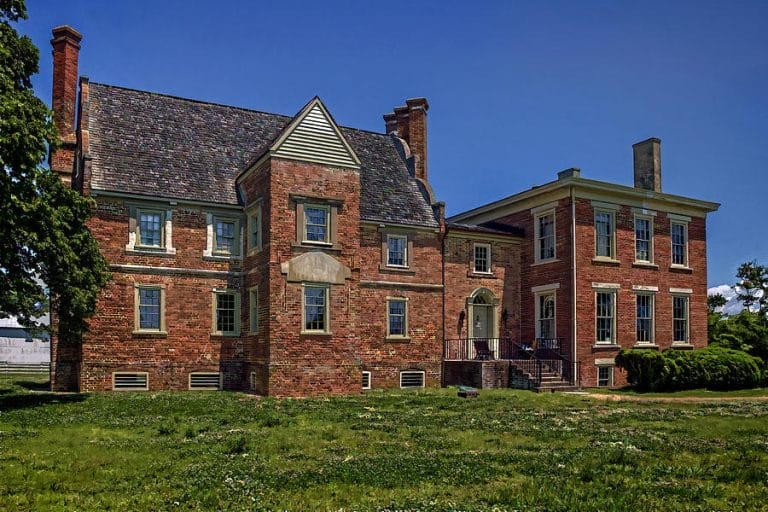
Mansion
Bacon’s Castle – Haunted Colonial Mansion in Surry, Virginia
Surry (Virginia), Virginia
Bacon’s Castle in Surry, Virginia, is the oldest brick dwelling in the United States and...
Explore This Location →

Hotel
Boxwood Inn Bed & Breakfast – Haunted Historic Inn in Newport News, Virginia
Newport News (Virginia), Virginia
The Boxwood Inn Bed & Breakfast in Newport News, Virginia, is a charming yet eerie...
Explore This Location →

Battlefield
Cold Harbor Battlefield Park – Haunted Civil War Battlefield in Richmond, Virginia
Richmond (Virginia), Virginia
Cold Harbor Battlefield Park in Richmond, Virginia, is one of the most infamous Civil War...
Explore This Location →

Plantation
Ferry Plantation House – Haunted Historic Home in Virginia Beach, Virginia
Virginia Beach (Virginia), Virginia
The Ferry Plantation House in Virginia Beach, Virginia, is one of the most haunted historic...
Explore This Location →

Park
First Landing State Park – Haunted Coastal Park in Virginia Beach, Virginia
Virginia Beach (Virginia), Virginia
First Landing State Park in Virginia Beach, Virginia, is a place of both historical significance...
Explore This Location →
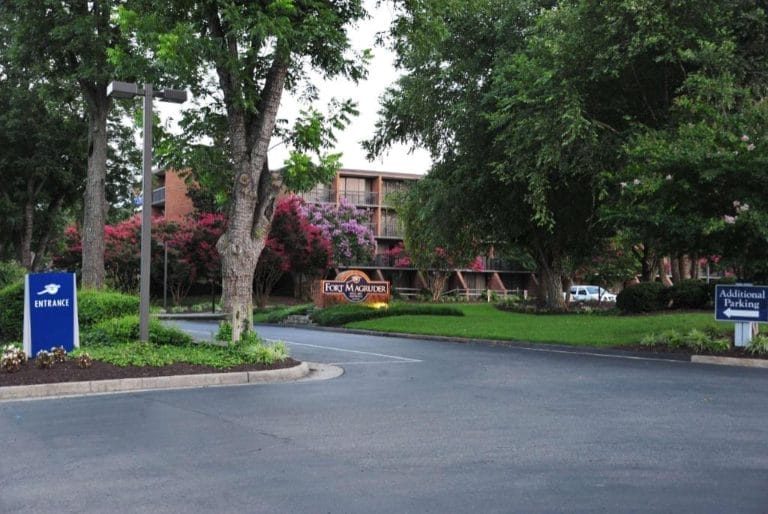
Battlefield
Fort Magruder Hotel – Haunted Battlefield Hotel in Williamsburg, Virginia
Williamsburg (Virginia), Virginia
The Fort Magruder Hotel in Williamsburg, Virginia, is infamous for its ghostly activity. Built near...
Explore This Location →

Cemetery
Hollywood Cemetery – Haunted Burial Grounds in Richmond, Virginia
Richmond (Virginia), Virginia
Hollywood Cemetery in Richmond, Virginia, is one of the most historic and eerie burial sites...
Explore This Location →
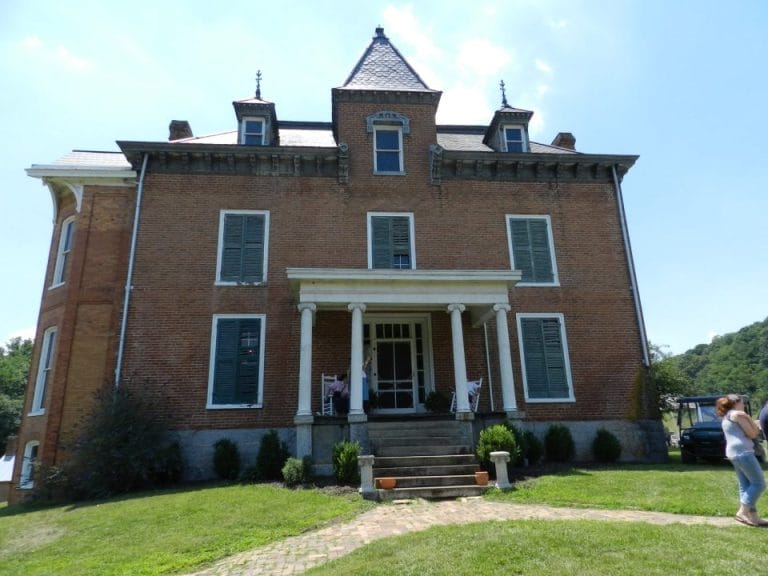
Mansion
Major Graham’s Mansion – Haunted Plantation in Wythe County, Virginia
Wythe County (Virginia), Virginia
Major Graham’s Mansion in Wythe County, Virginia, is one of the most paranormally active locations...
Explore This Location →

Mansion
Paxton Manor – Haunted Mansion in Leesburg, Virginia
Leesburg (Virginia), Virginia
Paxton Manor in Leesburg, Virginia, is one of the most notoriously haunted locations in the...
Explore This Location →

Mansion
Peyton Randolph House – Haunted Colonial Mansion in Williamsburg, Virginia
Williamsburg (Virginia), Virginia
The Peyton Randolph House in Williamsburg, Virginia, is one of the most paranormally active locations...
Explore This Location →

Plantation
Rosewell Plantation – Haunted Ruins in Gloucester, Virginia
Gloucester (Virginia), Virginia
Rosewell Plantation in Gloucester, Virginia, was once one of the grandest mansions in the American...
Explore This Location →
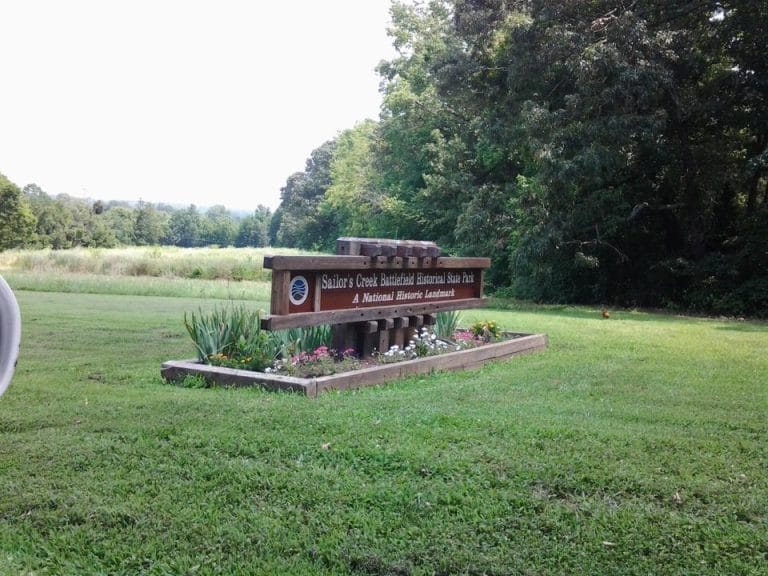
Battlefield
Sailor’s Creek Battlefield Historic State Park – Haunted Civil War Battlefield in Rice, Virginia
Rice (Virginia), Virginia
Sailor’s Creek Battlefield Historic State Park in Rice, Virginia, was the site of one of...
Explore This Location →

Sanitarium
St. Albans Sanatorium – Haunted Asylum in Radford, Virginia
Radford (Virginia), Virginia
St. Albans Sanatorium in Radford, Virginia, is one of the most terrifying haunted locations in...
Explore This Location →

Train Station
Staunton Train Depot – Haunted Historic Station in Staunton, Virginia
Staunton (Virginia), Virginia
The Staunton Train Depot in Staunton, Virginia, carries a dark history of Civil War destruction,...
Explore This Location →

Hotel
The Cavalier Hotel – Haunted Luxury Hotel in Virginia Beach, Virginia
Virginia Beach (Virginia), Virginia
The Cavalier Hotel in Virginia Beach, Virginia, is a stunning historic landmark that has long...
Explore This Location →
Virginia stands as one of America’s most haunted states, where centuries of Civil War bloodshed, colonial warfare, and brutal slavery have left an indelible supernatural mark across the Old Dominion. From the blood-soaked battlefields of Gettysburg’s neighboring Manassas to the tortured grounds of colonial Jamestown, Virginia’s paranormal landscape offers ghost hunters and thrill-seekers countless opportunities to encounter the unexplained.
Our comprehensive directory features documented haunted locations throughout Virginia, spanning Civil War battlefields, colonial settlements, historic plantations, and Revolutionary War sites where restless spirits refuse to depart. Whether you’re a paranormal investigator, a skeptic seeking answers, or simply fascinated by Virginia’s dark history, these locations provide chilling glimpses into the supernatural world that exists alongside our own.
Why Virginia is a Paranormal Hotspot: Virginia’s haunted reputation stems from a volatile history including devastating Civil War battles that claimed over 30,000 lives on Virginia soil alone, the brutal colonial period at Jamestown where settlers resorted to cannibalism during the “Starving Time,” centuries of plantation slavery where thousands died in bondage, and Revolutionary War conflicts that divided communities and families. As the site of more Civil War battles than any other state and the birthplace of American democracy built on enslaved labor, Virginia contains layers of tragic history that created perfect conditions for intense spiritual unrest.
Types of Haunted Locations You’ll Find in Virginia
Civil War Battlefields and Military Sites
Virginia witnessed more Civil War battles than any other state, with major conflicts at Manassas (Bull Run), Fredericksburg, Chancellorsville, and countless smaller engagements. The Battle of Fredericksburg alone killed or wounded over 17,000 soldiers in December 1862, and the battlefield reports intense paranormal activity including phantom gunfire and artillery sounds.
Visitors to Fredericksburg’s Sunken Road, where Union soldiers were slaughtered attempting to assault Confederate positions, report seeing apparitions of wounded soldiers crawling toward field hospitals. The smell of gunpowder and blood manifests suddenly, and sensitive visitors experience the overwhelming terror and pain of dying soldiers.
Colonial-Era Settlements and Historic Sites
Jamestown, established in 1607 as England’s first permanent American colony, witnessed starvation, disease, and violence that killed over 80% of early settlers. The “Starving Time” winter of 1609-1610 reduced the population from 500 to 60, with archaeological evidence confirming cannibalism occurred.
The spirits of colonists who died from starvation, disease, and Native American attacks reportedly haunt Jamestown’s archaeological sites. Colonial Williamsburg, though primarily a living history museum, contains numerous buildings with documented paranormal activity including the Peyton Randolph House, considered one of America’s most haunted homes.
Haunted Plantations and Antebellum Estates
Virginia’s plantation system enslaved hundreds of thousands of people throughout the colonial and antebellum periods, creating intense spiritual unrest at locations where brutal treatment and death occurred. Shirley Plantation, established in 1613 and still family-owned, reports multiple ghosts including a portrait that rocks independently.
Belle Grove Plantation near Middletown served as a Union headquarters during the Battle of Cedar Creek and witnessed the death of Union General Philip Sheridan’s aide. The plantation reports Civil War soldier apparitions, unexplained cold spots, and the sound of wounded men groaning in rooms that served as field hospitals.
Revolutionary War Sites and Colonial Battlefields
Virginia played a crucial role in the American Revolution, with the final major battle at Yorktown in 1781 securing American independence. The siege of Yorktown killed hundreds and trapped thousands in brutal conditions, and the battlefield reports paranormal activity including phantom cannon fire.
Colonial soldiers in Revolutionary War uniforms appear along siege lines, and visitors report hearing eighteenth-century military commands and the screams of wounded soldiers. The Moore House, where surrender terms were negotiated, experiences phenomena including doors opening independently and the sensation of unseen presences in the surrender room.
Haunted Hotels and Historic Inns
The Martha Washington Inn & Spa in Abingdon served as a private residence, women’s college, and Confederate hospital during the Civil War. Hundreds of wounded soldiers died in the building, and their spirits reportedly haunt multiple floors including a Confederate soldier named Captain John Stoves.
Guests report seeing Civil War-era apparitions, hearing phantom footsteps and moaning, and experiencing unexplained cold spots in rooms that served as hospital wards. The inn embraces its haunted reputation and offers ghost tours documenting its extensive paranormal history.
Haunted Prisons and Correctional Facilities
The Old Jail in Warrenton, built in 1808 and operating until 1965, housed prisoners in brutal conditions for over 150 years. Multiple hangings occurred on the property, and condemned prisoners carved final messages into cell walls that remain visible today.
The jail reports intense paranormal activity including shadow figures pacing cells, phantom footsteps, and unexplained voices speaking from empty areas. Former inmates apparently remain trapped in the building, still serving sentences that were supposed to end with their deaths.
When to Visit Virginia’s Haunted Locations
Peak Paranormal Season: October through early November offers the highest concentration of supernatural activity across Virginia’s haunted sites, with Halloween bringing special ghost tours at Civil War battlefields and colonial locations. The autumn months see increased reports of ghost sightings, particularly at Fredericksburg and Manassas battlefields.
Civil War battle anniversaries bring heightened paranormal activity, with researchers noting increased phenomena during dates matching historic engagements. December brings intense activity at Fredericksburg battlefield, commemorating the December 11-15, 1862 battle.
Spring Campaign Season: April through June marks the anniversary of many Civil War battles including Chancellorsville and the Wilderness Campaign. Paranormal researchers report heightened activity during these months as spirits seem to relive the campaigns that claimed their lives.
Colonial Williamsburg experiences increased activity during spring months when tourist crowds thin and investigators can access buildings more easily. The combination of moderate weather and historical battle anniversaries makes spring ideal for Virginia investigations.
Optimal Investigation Hours: Paranormal investigators report peak spiritual activity between 2 AM and 4 AM, traditionally known as the “witching hour.” Civil War battlefield locations experience phenomena throughout the night, with many researchers noting increased activity during the actual hours when historic battles occurred.
The Dark History Behind Virginia’s Hauntings
The Civil War’s Devastating Toll
Virginia served as the primary battleground for the Civil War’s Eastern Theater, with over 30,000 soldiers killed on Virginia soil and countless more wounded or dying from disease. The brutality of Civil War combat—with massed infantry assaults against entrenched positions—created slaughter on an industrial scale.
Field hospitals overwhelmed by casualties performed amputations without anesthesia, and wounded soldiers often died slowly from infection, gangrene, and shock. The trauma experienced by soldiers who died in agony far from home is believed to bind their spirits to battlefield locations where they fell.
Colonial Starvation and Cannibalism
Jamestown’s “Starving Time” represents one of colonial America’s darkest periods, with archaeological evidence confirming settlers butchered and consumed a teenage girl’s remains during desperate winter months. The psychological trauma of starvation-driven cannibalism, combined with the death of hundreds from disease and violence, created lasting spiritual unrest.
Relations with local Powhatan tribes deteriorated into warfare, with both colonists and Native Americans committing atrocities. The spiritual consequences of this violence, combined with European diseases that devastated Indigenous populations, contribute to ongoing paranormal activity at colonial sites.
Plantation Slavery and Systematic Brutality
Virginia’s economy depended on enslaved labor from the early colonial period through the Civil War, with enslaved people experiencing brutal treatment including family separations, whippings, sexual violence, and death from overwork and disease. Major plantations like Monticello and Mount Vernon relied on hundreds of enslaved workers.
The rage and despair of enslaved people who died without freedom creates intense paranormal activity at plantation sites. Many researchers believe enslaved spirits remain bound to locations where they suffered, unable or unwilling to depart until their stories are acknowledged and their suffering recognized.
Revolutionary War Division and Violence
Virginia’s role in the American Revolution divided communities between Patriot and Loyalist sympathies, creating neighbor-against-neighbor violence and family betrayals. The war’s conclusion didn’t end the trauma, as Loyalist families were driven from their homes and communities remained fractured for generations.
Yorktown’s siege trapped thousands in brutal conditions with limited food and constant artillery bombardment. Both British and American soldiers died by the hundreds, and the battlefield contains mass graves of soldiers whose remains were never properly identified or honored.
Planning Your Virginia Ghost Hunting Adventure
Safety and Legal Considerations
Battlefield Regulations: Virginia’s Civil War battlefields are protected National Park Service or state park properties with specific visiting hours and regulations. Nighttime access requires special permission, and trespassing after posted hours can result in federal or state charges.
Metal detecting, artifact removal, and digging are strictly prohibited at battlefield sites. Many battlefields contain unexploded ordnance from the Civil War era that remains dangerous, making unauthorized digging potentially deadly.
Plantation Property Rules: Many historic plantations operate as museums with guided tours only, and independent investigation is not permitted without advance arrangement. Some plantations prohibit paranormal investigation entirely due to concerns about property damage or disrespectful conduct.
Always contact plantation management well in advance to request investigation permission. Never trespass on plantation grounds after hours, as many are private residences or protected historic sites with security systems and patrol.
Urban Location Considerations: Richmond and other Virginia cities contain numerous haunted buildings within active urban environments. Late-night investigations must respect residents, businesses, and property rights while navigating busy city streets.
Essential Ghost Hunting Equipment for Virginia
Standard Paranormal Equipment: EMF detectors, digital voice recorders for EVP evidence, full-spectrum cameras, and thermal imaging devices document supernatural phenomena. Virginia investigations frequently yield EVP recordings in eighteenth and nineteenth-century English, including military commands and period slang.
Outdoor Investigation Gear: Virginia’s Civil War battlefields often lack artificial lighting and require substantial hiking to reach specific engagement sites. Powerful flashlights, GPS devices with topographic maps, and sturdy hiking boots are essential for battlefield investigations.
Weather-appropriate clothing is crucial, as Virginia weather can change rapidly. Spring and fall battlefield investigations require layered clothing, and summer investigations demand substantial water supplies and sun protection.
Historical Documentation: Understanding specific battle timelines, unit positions, and casualty locations enhances paranormal research at Civil War sites. Bring historical maps, unit histories, and casualty lists to identify potential spirits and understand paranormal activity within historical context.
Communication Equipment: Many Virginia haunted locations are in rural areas with limited or no cell phone service. Two-way radios allow investigation teams to maintain contact, and satellite communication devices provide emergency contact capability in remote battlefield locations.
Paranormal Investigation Ethics in Virginia
Respect for the Fallen: Civil War battlefields are essentially mass graveyards where thousands died violently. Approach these locations with appropriate reverence, acknowledging that paranormal activity represents real soldiers who experienced unimaginable trauma and death.
Never mock soldiers from either side of the conflict, engage in Civil War reenactment without proper context, or treat battlefield ghosts as entertainment. Many researchers believe soldiers’ spirits deserve respect and recognition for their sacrifice regardless of which army they served.
Slavery Acknowledgment: Plantation investigations require extreme sensitivity to the suffering experienced by enslaved people. Never engage in “slave ghost” tourism that sensationalizes suffering or treats the brutal reality of slavery as paranormal entertainment.
Acknowledge Virginia’s foundational dependence on enslaved labor and recognize that plantation wealth was built on systematic human rights violations. Some researchers work with descendant communities and historians to ensure enslaved people’s stories are told respectfully.
Historical Accuracy: Virginia’s complex history includes competing narratives about the Civil War, slavery, and colonial period. Maintain historical accuracy in paranormal research rather than perpetuating Lost Cause mythology or romanticized plantation narratives.
Work with professional historians and consult primary sources when investigating Virginia haunted locations. Understanding accurate history enhances paranormal research and ensures respectful treatment of spirits from marginalized communities.
Haunted Cities and Regions Across Virginia
Richmond: Virginia’s capital served as the Confederate capital throughout the Civil War and contains intense paranormal activity. The White House of the Confederacy, Libby Prison (site), and Hollywood Cemetery report frequent supernatural encounters related to Civil War history.
Fredericksburg: One of America’s most haunted towns due to multiple Civil War battles fought in and around the city. The Sunken Road, Fredericksburg Battlefield, and numerous downtown buildings that served as hospitals report constant paranormal activity.
Williamsburg: Colonial Williamsburg’s living history museum contains numerous authentically haunted buildings including the Peyton Randolph House, the Public Gaol, and various colonial-era structures. The combination of colonial tragedy and Revolutionary War history creates layers of paranormal activity.
Alexandria: This historic port city features eighteenth and nineteenth-century buildings with documented hauntings including Gadsby’s Tavern (where George Washington dined) and numerous Old Town establishments. Civil War occupation and Revolutionary War activity contribute to ongoing supernatural phenomena.
Petersburg: The site of a brutal ten-month siege during the Civil War’s final year, Petersburg contains battlefield locations and historic buildings with intense paranormal activity. The Siege Museum and Blandford Cemetery report frequent Civil War soldier apparitions.
Explore America’s Most Haunted Places by State
Discover spine-chilling locations, paranormal hotspots, and supernatural encounters across all 50 states. Click any state to begin your journey into the unknown.